Understanding IAL2 Requirements for Electronic Odometer Disclosures


Updated June 1, 2026
Odometer fraud costs buyers and lenders billions annually, and paper-based disclosures make it easy to game the system. Federal law now allows electronic odometer disclosures, but only when signers are verified to IAL2 standards. Without that verification layer, the digital shift simply moves the fraud online.
If your business touches vehicle title and registration, including dealerships, lenders, insurers, salvage operators, and towing companies, electronic odometer disclosures are not optional to consider. They are the operational upgrade that unlocks remote customer access and removes the cost and delay of paper-based signing.
Key takeaways
- Federal compliance: Electronic odometer disclosures are governed by federal law (Title 49) and require IAL2 identity proofing to prevent fraud.
- IAL2 defined: Identity Assurance Level 2 (IAL2) is a NIST standard requiring personally identifiable information, physical ID evidence, and biometric verification such as a live selfie.
- Expanded coverage: The 2019 NHTSA Final Rule extended odometer disclosure requirements from 10 to 20 model years, beginning with the 2010 model year, meaning more vehicles now require compliant disclosures at every transfer.
- Operational efficiency: Switching to digital disclosures eliminates the need for physical paperwork, reducing costs associated with overnighting documents and chasing wet ink signatures.
- Market expansion: IAL2 allows for secure remote authentication, enabling businesses to serve customers outside their local physical footprint.
What is an odometer disclosure?
Odometer disclosures are legally mandated in the U.S. to prevent odometer fraud, a federal crime, and to ensure accurate mileage reporting during vehicle transfers. Odometer fraud affects an estimated 450,000 vehicles sold annually in the U.S., costing buyers over $1 billion per year. The legal requirement for disclosure traces back to Congress passing the Federal Truth in Mileage Act of 1986.
For decades, most vehicle transfers required odometer disclosures in paper format with handwritten names and wet ink signatures. The NHTSA's 2019 Final Rule removed that paper requirement, but only for electronic systems that meet robust security and authentication standards, including IAL2 identity proofing. The rule also extended disclosure requirements from vehicles 10 model years old to 20 model years old, beginning with the 2010 model year. That means a larger share of vehicles now require compliant odometer disclosures at every transfer. The current requirements are elaborated in Title 49 of the Code of Federal Regulations.
What is IAL2?
IAL2 stands for Identity Assurance Level 2, a framework developed by the U.S. Government's National Institute of Standards and Technology (NIST). It sets the standard for how rigorously an individual's identity must be verified during electronic transactions. IAL2 provides a high level of assurance, requiring multiple forms of identity evidence plus biometric verification before authorizing critical actions. In the context of odometer disclosures, IAL2 is the bar that an electronic system must clear to replace the traditional paper-and-wet-ink process.
How IAL2 verification works
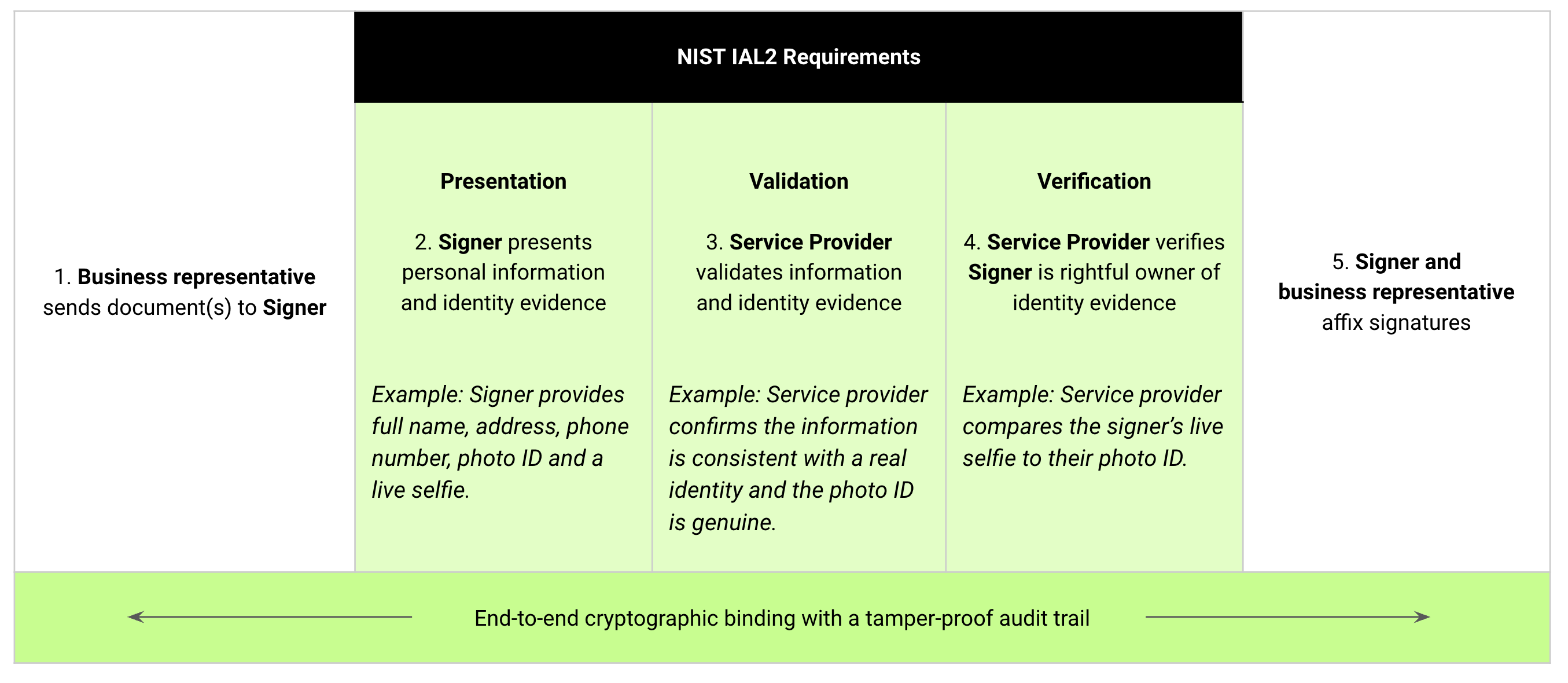
At its core, IAL2 answers one question: is this person who they claim to be? To establish that, the service provider collects three types of data from the signer:
- Personally identifiable information (PII): Name, address, phone number, and other identifying details.
- Identity evidence: A physical photo ID, such as a driver's license.
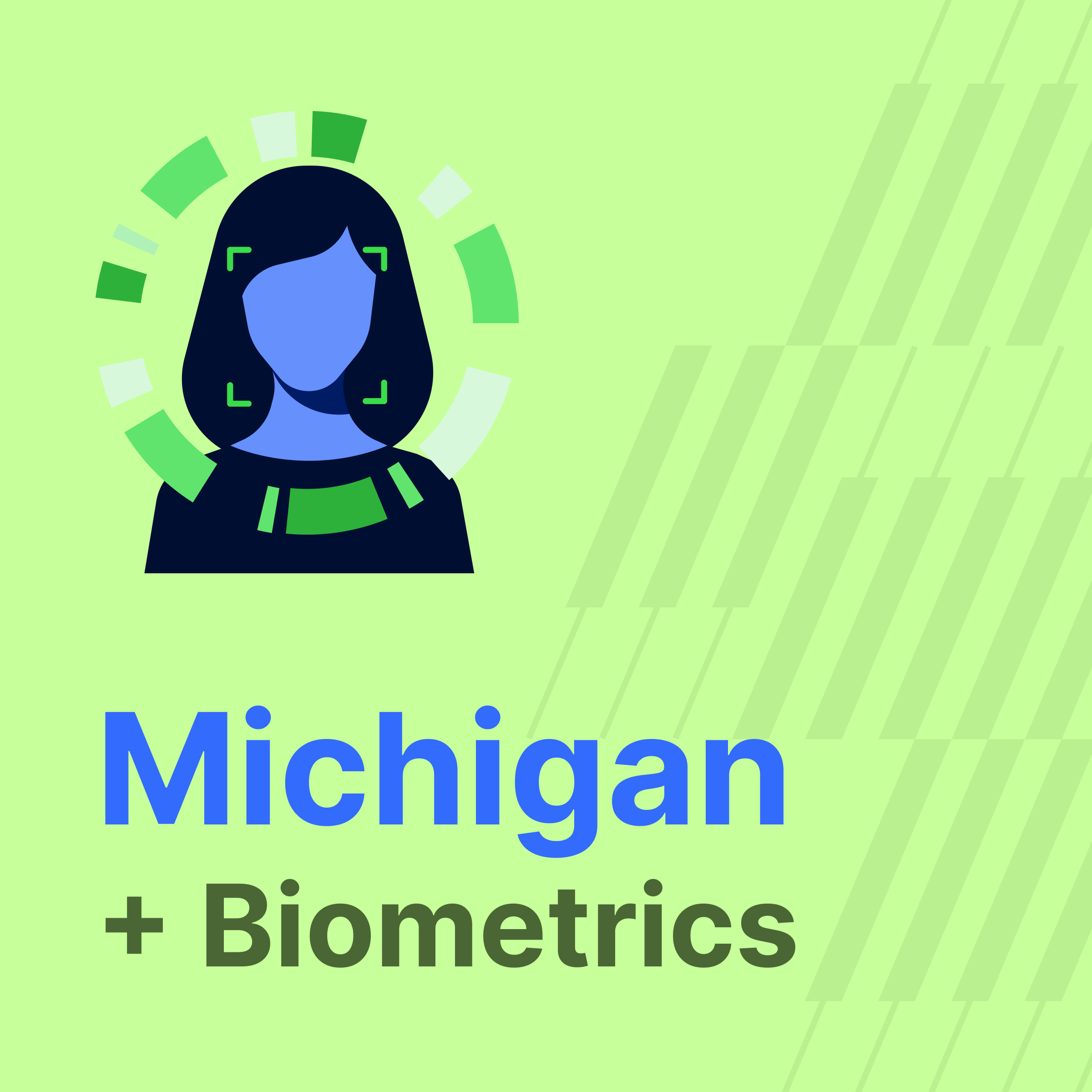
- Biometric characteristic: A live selfie to confirm the signer matches the identity document.
The service provider then confirms that the personal information is consistent with a genuine identity, authenticates the evidence, and verifies the individual is the true owner of the claimed identity.
The system is designed to catch two common fraud attempts: someone presenting a real license that is not theirs (the selfie will not match), and someone presenting a forged license (the document authenticity check catches it).
Common odometer fraud tactics and what to do about them
Common tactics:
- Rolling back digital odometers: Criminals use tools to reduce displayed mileage before title transfer, misrepresenting a vehicle's wear and value.
- Forging paper disclosure forms: Physical odometer disclosure documents are altered or substituted after the fact, with signatures transferred or fabricated.
- Title washing across state lines: Fraudsters transfer vehicle titles through multiple states to reset or obscure mileage history, taking advantage of inconsistent record-keeping across jurisdictions.
What you can do:
- Require IAL2 identity verification for all electronic odometer disclosures, ensuring that only the verified signer can execute the document.
- Use liveness detection to confirm that the person presenting the ID is physically present, ruling out photo-based spoofing or synthetic presentation attacks.
- Maintain cryptographic records of each verified disclosure for audit purposes, creating a tamper-evident chain of custody that can be reviewed if a disclosure is ever challenged.
- Move to electronic disclosures on a platform certified for IAL2 to eliminate the paper-handling vulnerabilities that title washing and document forgery exploit.
Benefits of IAL2 authentication
Fraud prevention built into the transaction
IAL2 locks signature authority to a verified identity, so fraudulent odometer disclosures fail before the deal moves forward. The disclosure is not just a document. It is a gate.
Federal compliance, covered
Title 49 is not optional, and neither is IAL2. Using a certified IAL2 provider keeps your electronic disclosures legally defensible without additional overhead.
Increased market opportunity
IAL2 allows businesses to authenticate customers remotely, which means they can serve customers anywhere without requiring a physical visit. This broadens the markets and customer populations a business can serve without the cost of building a local presence.
Lower costs
For businesses serving customers beyond their physical footprint, going electronic eliminates the costs and delays of overnighting documents and chasing customers to sign and return them.
A defensible record every party can stand behind
When every signer is verified to IAL2, sellers, buyers, lenders, and regulators all start from the same source of truth. As NHTSA noted, electronic records improve security while creating economic efficiencies. That is not just trust; it is evidence.
How Proof supports electronic odometer disclosures
Proof is certified to NIST IAL2 standards, which means every electronic odometer disclosure executed through Proof's platform meets Title 49's requirements out of the box. No custom compliance build. No manual review gaps. Just verified signers, audit-ready records, and transactions that hold up.
Whether you are a dealership, lender, insurance carrier, salvage operator, or towing company, Proof lets you collect compliant odometer disclosures remotely, with identity verification built directly into the signing workflow. No more overnighting documents. No more chasing wet ink signatures. Just a secure, federally compliant process your customers can complete from anywhere.
Talk to our team to learn how Proof can help you go digital with confidence.
















.jpg)




























































.png)

.jpg)