Evolving Identity Verification: Building from KBA to Biometrics

Updated June 1, 2026
Knowledge-Based Authentication (KBA) is an identity verification method that confirms a person's identity by asking questions only they should be able to answer: past addresses, loan amounts, previous credit inquiries. For years, KBA has played a vital role in remote and digital interactions, giving organizations a structured way to authenticate users and establish baseline trust. But the landscape it was built for has changed. Personal data is more accessible than ever, fraud tactics are more sophisticated, and relying on what someone knows is no longer sufficient to prove who someone is.
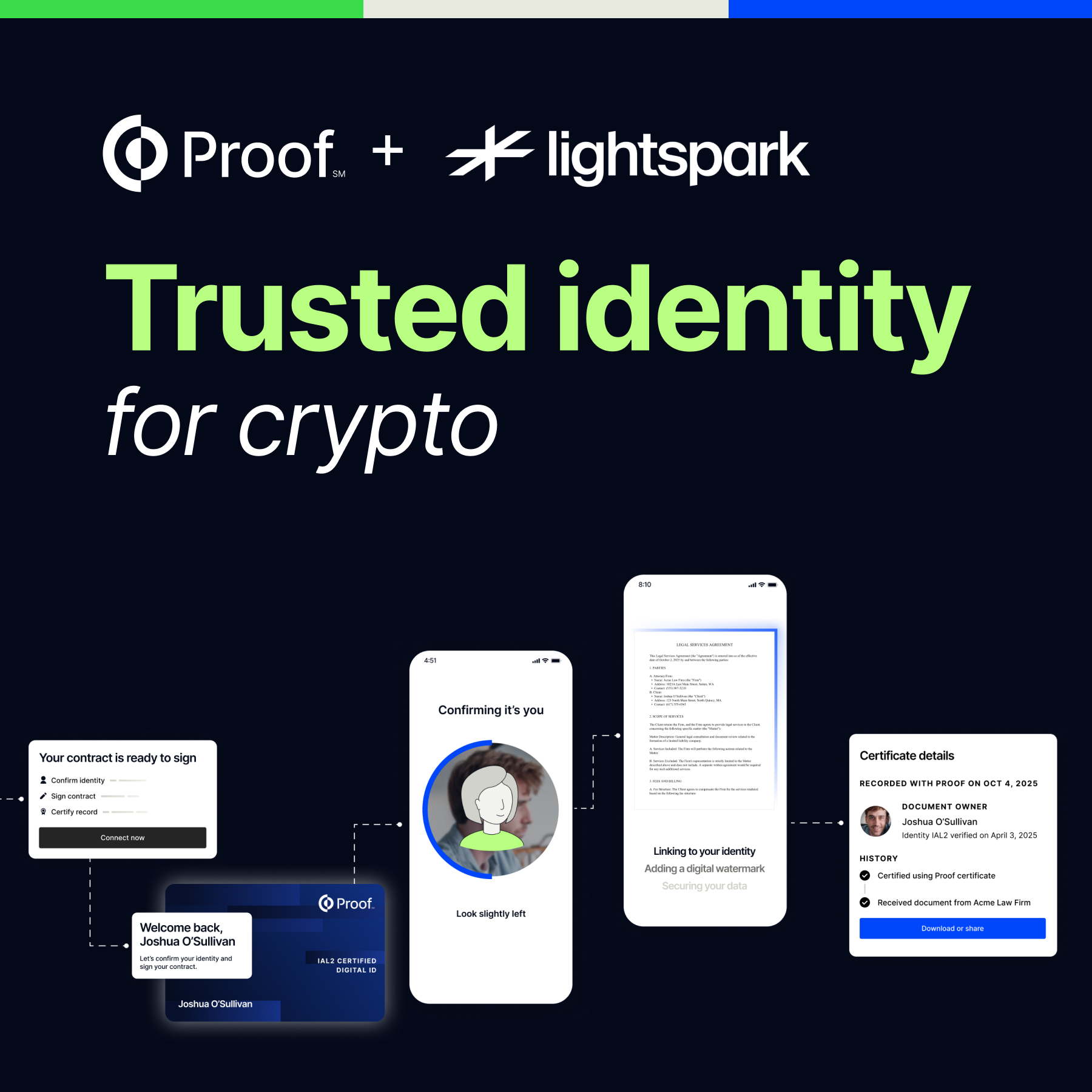
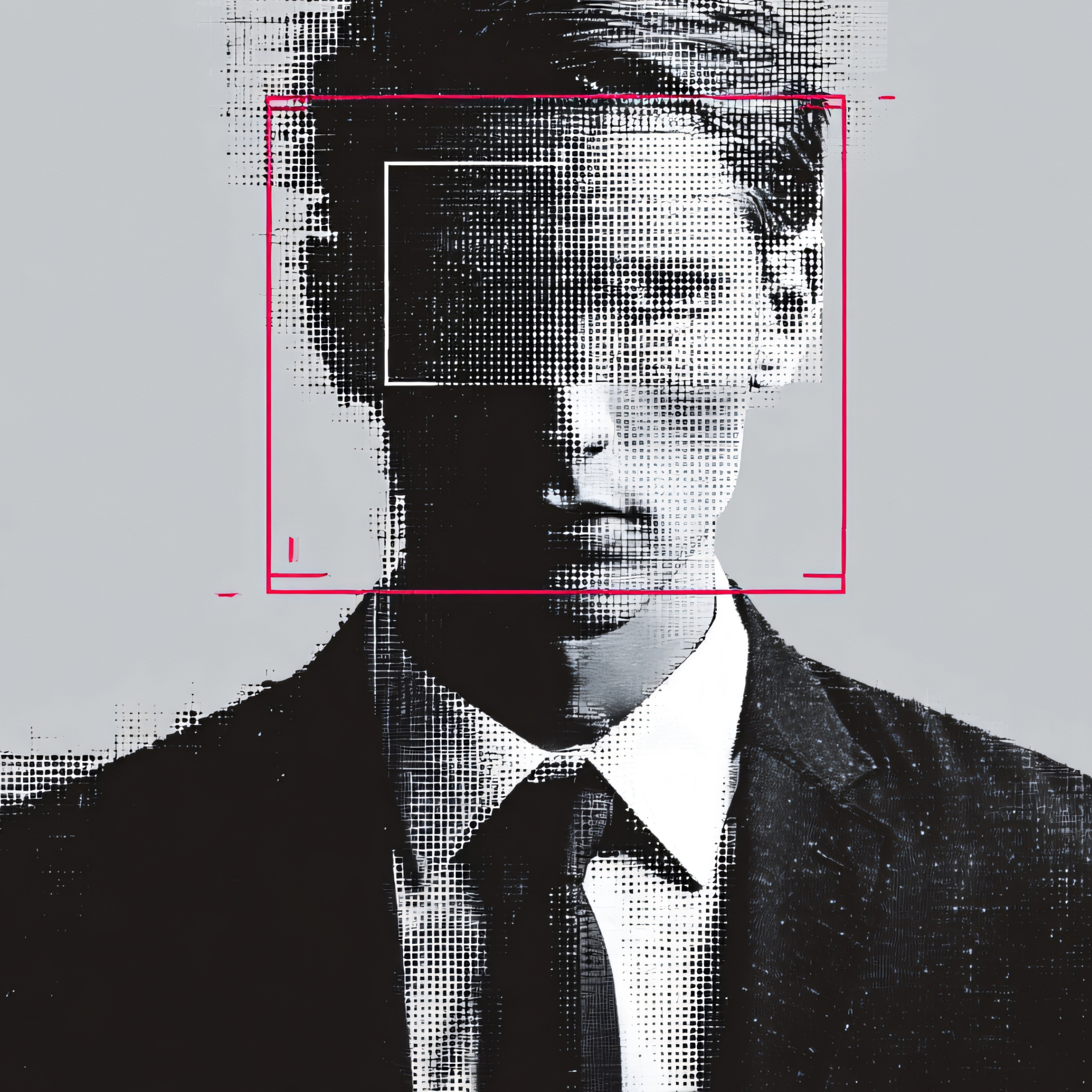
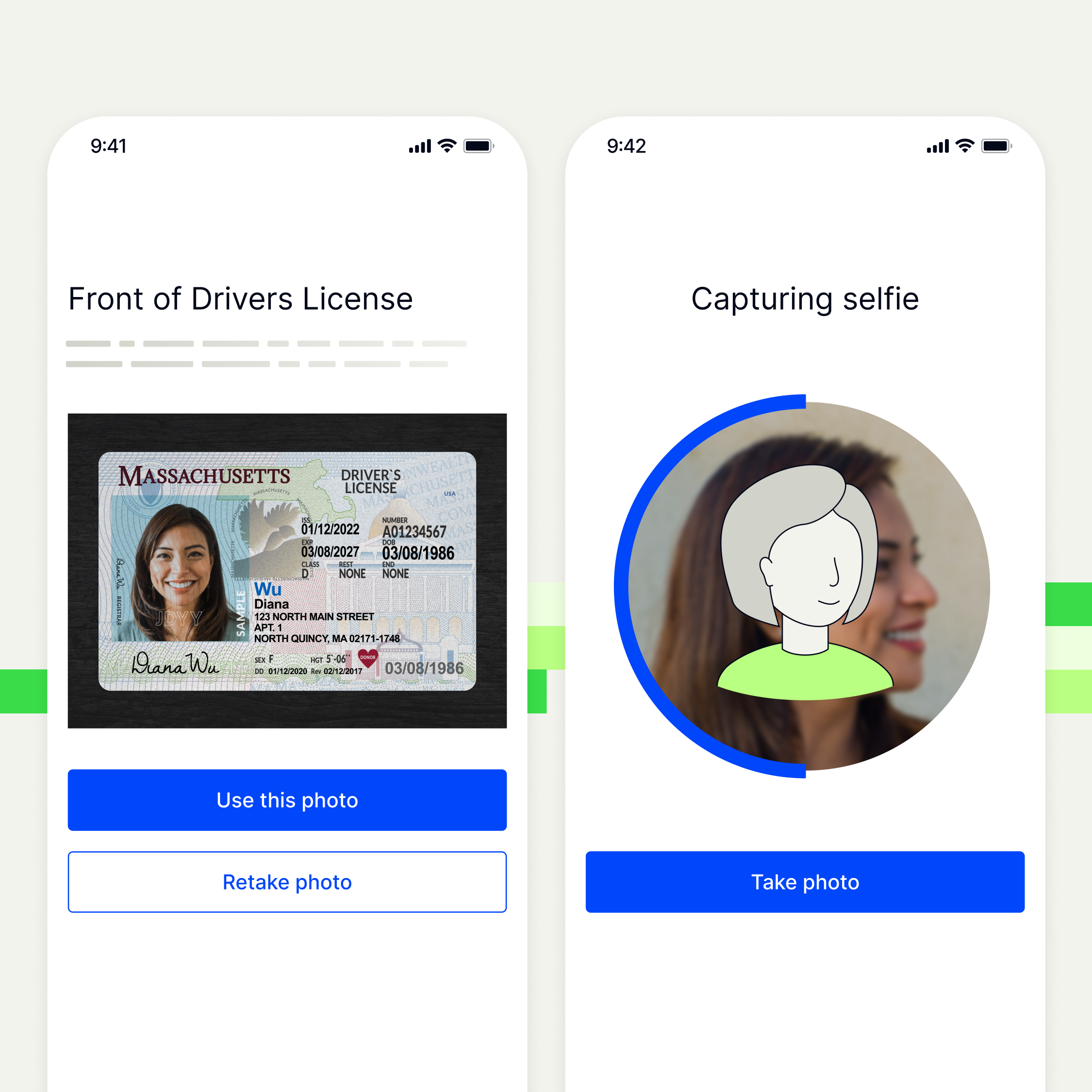
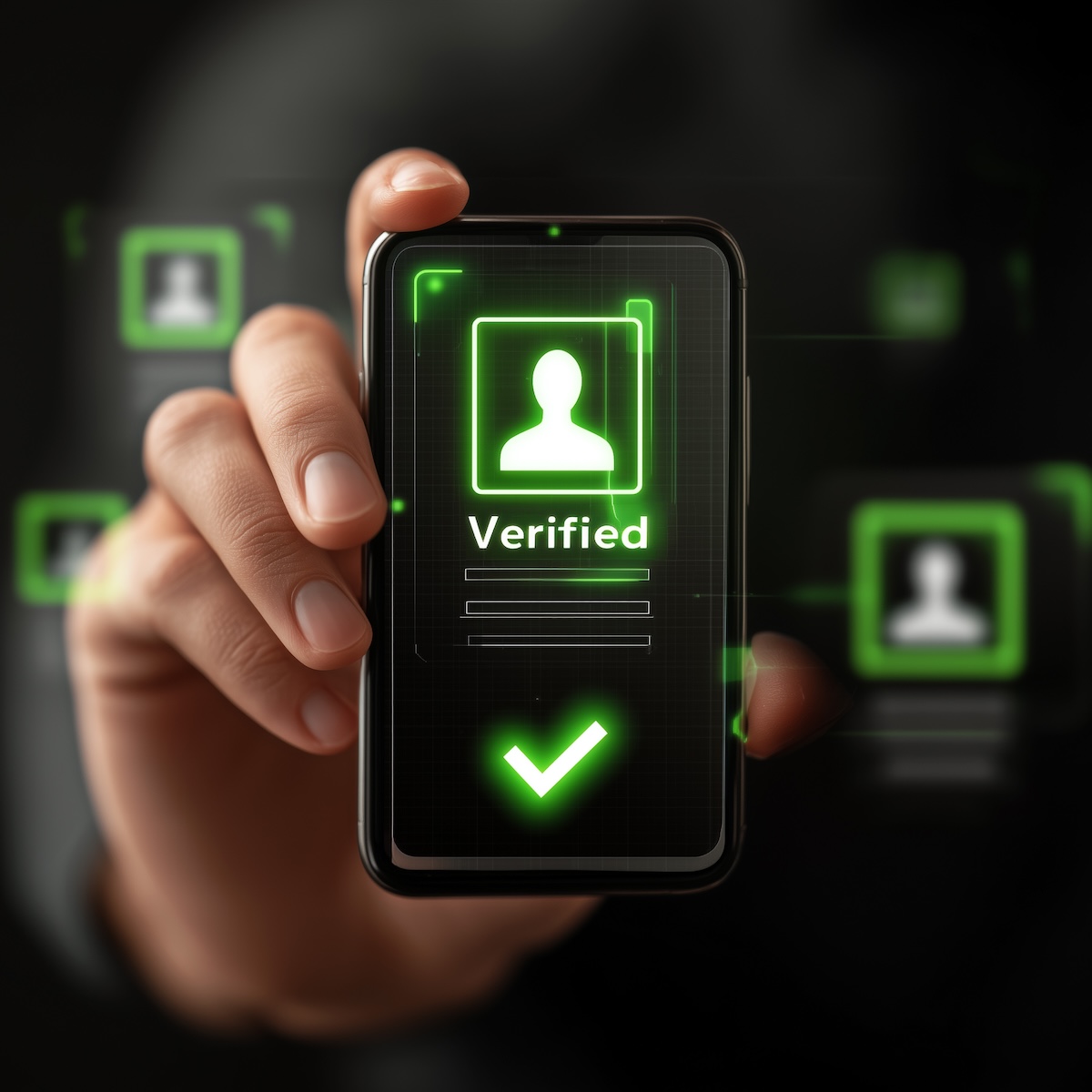
Biometric facial comparison takes a different approach entirely. Instead of asking what you know, it verifies who you are, in real time, by matching a live selfie to a government-issued ID. Depending on your workflow, biometrics can replace KBA entirely or layer on top of it for added assurance.
Key takeaways
- Evolution of trust: Identity verification is shifting from historical data (KBA) to real-time physical presence (biometrics).
- Enhanced security: Biometric facial comparison offers over 99.5% accuracy and protects against deepfakes and impersonation.
- Increased inclusivity: Biometrics allow users without extensive credit histories to verify their identity using only a government ID.
- Regulatory alignment: Modern biometric standards align with NIST guidelines, the gold standard for secure identity proofing.
- Layered strategy: The most effective verification flows combine the strengths of KBA with the dynamic security of biometrics.
The strengths of KBA and the case for biometrics
KBA has offered a familiar, standardized method for verifying identity, particularly in industries where compliance and historical data checks are essential. It comes in two forms:
- Static KBA asks users to answer pre-set security questions, like their mother's maiden name or the street they grew up on. These answers are stored during account setup and retrieved later for verification.
- Dynamic KBA generates questions in real time from public and private data sources, such as credit reports and transaction history, without requiring the user to have provided answers beforehand.
Both types served their purpose, and both have vulnerabilities. Static KBA is susceptible to social engineering; answers can often be found through social media or public records. Dynamic KBA depends on the availability of personal data, which means it may not work well for users who lack substantial financial or personal histories. In an era where massive data breaches routinely expose the very information KBA relies on, the method's foundational assumption, that only the right person knows the answer, no longer holds.
Common tactics
- Purchasing stolen personal data (addresses, loan history, credit inquiries) from data brokers or the dark web to answer KBA questions
- Synthetic identity fraud combining real and fabricated data to pass knowledge-based checks
- Social engineering to extract KBA answers directly from targets
What you can do
- Supplement KBA with biometric facial comparison to require real-time physical presence
- Implement liveness detection to block photo, mask, or deepfake impersonation attempts
- Review your verification flow against NIST identity proofing guidelines to identify gaps
Biometric facial comparison does more than confirm a face matches a document. It verifies that the person is physically present, not a photo, not a mask, not a deepfake. Liveness detection, impersonation signals, and real-time analysis run simultaneously, creating a verification event that is hard to fake and easy to audit. Here is how biometrics improves on KBA:
- Real-time presence verification: KBA confirms what someone knows. Biometrics confirm that the person is physically present, adding an active layer to identity proofing that knowledge-based questions simply cannot provide.
- Higher accuracy rates: Top facial recognition algorithms, as tested by NIST's Face Recognition Vendor Test (FRVT), have demonstrated accuracy exceeding 99.5%, far less susceptible to guessing or social engineering than security questions.
- Impersonation detection: KBA cannot tell who is typing the answers. Biometrics identify fraudulent attempts using photos, masks, or deepfakes, directly tying the verification to a living person.
- Greater inclusivity: Dynamic KBA often excludes users without extensive credit or financial histories. Biometrics work for anyone with a valid government ID, expanding access to populations KBA leaves behind.
- Alignment with modern standards: Biometrics meet NIST's identity proofing guidelines, which are becoming the gold standard for secure identity verification, while KBA continues to fall outside the latest recommended frameworks.
Embracing a layered approach to identity verification
Transitioning from KBA to biometric verification is a natural evolution. KBA establishes identity through knowledge. Biometrics verify identity through real-time physical presence. Together, they create a layered approach that is stronger than either method alone.
The strongest identity verification strategies combine multiple factors: credential analysis, biometric comparison, liveness detection, and risk-based authentication, so organizations can apply the right level of security based on the transaction at hand.
Regulatory alignment is accelerating this shift. NIST's IAL2 guidelines, which Proof meets, already reflect a world where biometric verification is the standard for high-assurance identity proofing. Organizations still relying solely on KBA are operating under a framework that was built for a lower-risk era.
Proof has embedded biometric verification across the workflows where identity risk is highest: real estate closings, financial account changes, loan originations, and document-critical onboarding. Whether you are a notary verifying a signer's identity, a lender onboarding a borrower, or an enterprise securing high-value account changes, Proof's Identify product layers biometric facial comparison with document verification and liveness detection. Defend adds multi-signal fraud intelligence across the transaction lifecycle, so every interaction is backed by more than just a question and answer.
The path forward is not about discarding what worked. It is about building on it with technology that matches today's threat environment. See how Proof's identity verification works.















.jpg)






















































.png)

.jpg)