How Car Dealerships Can Mitigate Fraud


Updated June 1, 2026
Auto loan fraud is accelerating, and dealerships are the ones left holding the bag. According to Point Predictive's 2022 Auto Fraud Trends Report, auto loan fraud topped $7.7 billion in 2021, up 267% since tracking began in 2010. At the center of nearly every case is the same vulnerability: identity.
At the core of this surge is synthetic identity fraud, where thieves combine real and fake information to create a unique but false identity. These fabricated identities are built to hold up under scrutiny, with real credit histories and real scores, but no real person behind them. That's what makes them so hard to catch.
The Federal Trade Commission estimates that synthetic identity fraud now accounts for 80-85% of all identity fraud. In the auto space, this makes it increasingly difficult for dealerships to validate consumer identity, vet creditworthiness, and complete the sales process with confidence that the transaction was legitimate from the first touchpoint.
Dealers have the most to lose. Many lenders now require dealers to buy back deals related to identity theft. Forged documents, falsified vehicle histories, and misrepresented buyer identities add layers of risk to every transaction. One oversight could become a six-figure mistake and expose the dealership to regulatory action, reputational damage, and legal liability. Staying ahead of fraud means going beyond gut checks. It requires deliberate process and technology. Here are several ways your dealership can do just that.
Key takeaways
- Rising fraud risk: Auto loan fraud reached $7.7 billion in 2021, a 267% increase since 2010.
- Synthetic identity threat: Fabricated identities with real credit histories now account for 80-85% of all identity fraud, making detection extremely difficult.
- Financial liability: Dealers are increasingly required by lenders to buy back deals linked to identity theft.
- Credit red flags: Frequent credit inquiries and report discrepancies are primary indicators of potential fraud.
- Technological defense: Online notarization, digital identity verification, and layered fraud detection give dealerships a defensible audit trail and real-time risk mitigation across the full deal lifecycle.
Watch for discrepancies on credit reports
More than one-third of consumers have some kind of discrepancy on their credit reports, and those imperfections are exactly what fraudsters try to leverage. Errors can range from incidents of identity theft to simple mix-ups between people who share common names or similar Social Security numbers. With that kind of prevalence, it's not uncommon for a buyer's report to reflect information that doesn't quite match up. The question is whether the explanation holds up under scrutiny.
Most legitimate consumers have a handle on their credit history. If something looks off, they can usually explain what happened and why. Fraudsters rely on vague explanations and social pressure to push past scrutiny. Here's what you can do:
- Don't assume a discrepancy is harmless. Exercise due diligence to determine whether the explanation is worth the risk.
- Ask specific follow-up questions about any inconsistencies between the credit report and the information the buyer provided.
- Cross-reference buyer-supplied details (name, address, employer) against the credit report data for mismatches.
If you see several credit inquiries in the span of a few days, that typically hints at trouble. Even a motivated buyer shopping multiple lots is unlikely to authorize a hard inquiry at every stop. Someone committing fraud may push for multiple inquiries to test whether they can slip through as a credible buyer.
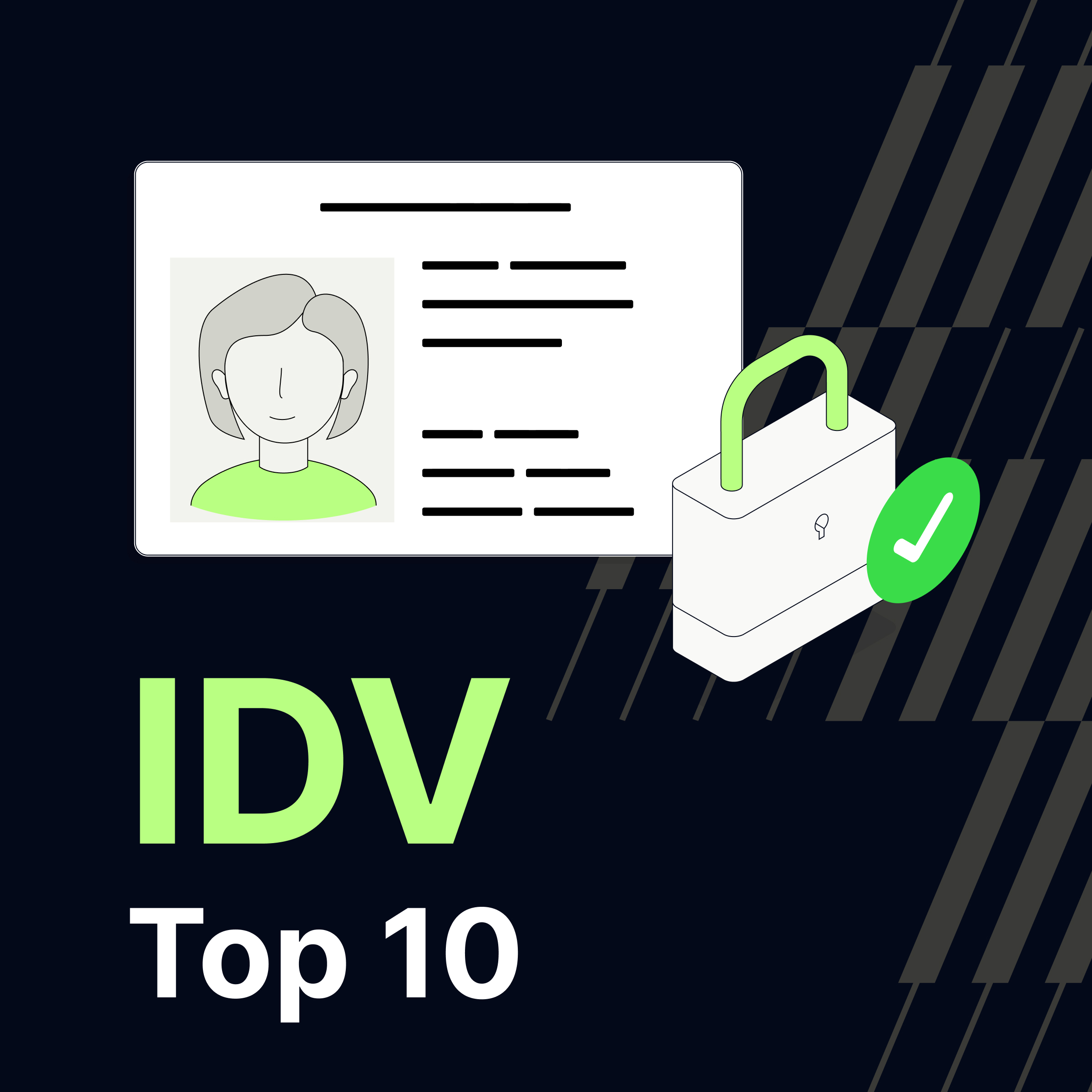
Credit reports are just one layer. Pay equal attention to the documents your buyers present: driver's licenses, proof of income, and proof of residence. Falsely represented identities and forged supporting documents are common tactics in auto fraud.
Common document red flags
- Driver's license photos that don't match the person in front of you, or IDs with inconsistent formatting, fonts, or holograms
- Proof-of-income documents that appear altered: mismatched fonts, rounded figures, or employer details that don't check out
- Vehicle history reports that conflict with the physical condition of a trade-in, or title documents with signs of tampering
- Address or name discrepancies across the buyer's submitted paperwork
If any document looks altered, or if details don't match across the buyer's paperwork, treat it as a signal to pause and verify before the deal moves forward.
Use digital identity verification tools
Identity theft and document fraud don't stand still, and neither should your verification process. Fraudsters refine their methods continuously, from sophisticated synthetic IDs to AI-generated documents. The right technology doesn't replace human judgment; it gives your team the evidence they need to make confident decisions.
Identity verification is a key component of any notarization, and many dealers already require the notarization of limited powers of attorney to register the title on behalf of the buyer. Notarize by Proof offers several safeguards to deter fraudulent activity:
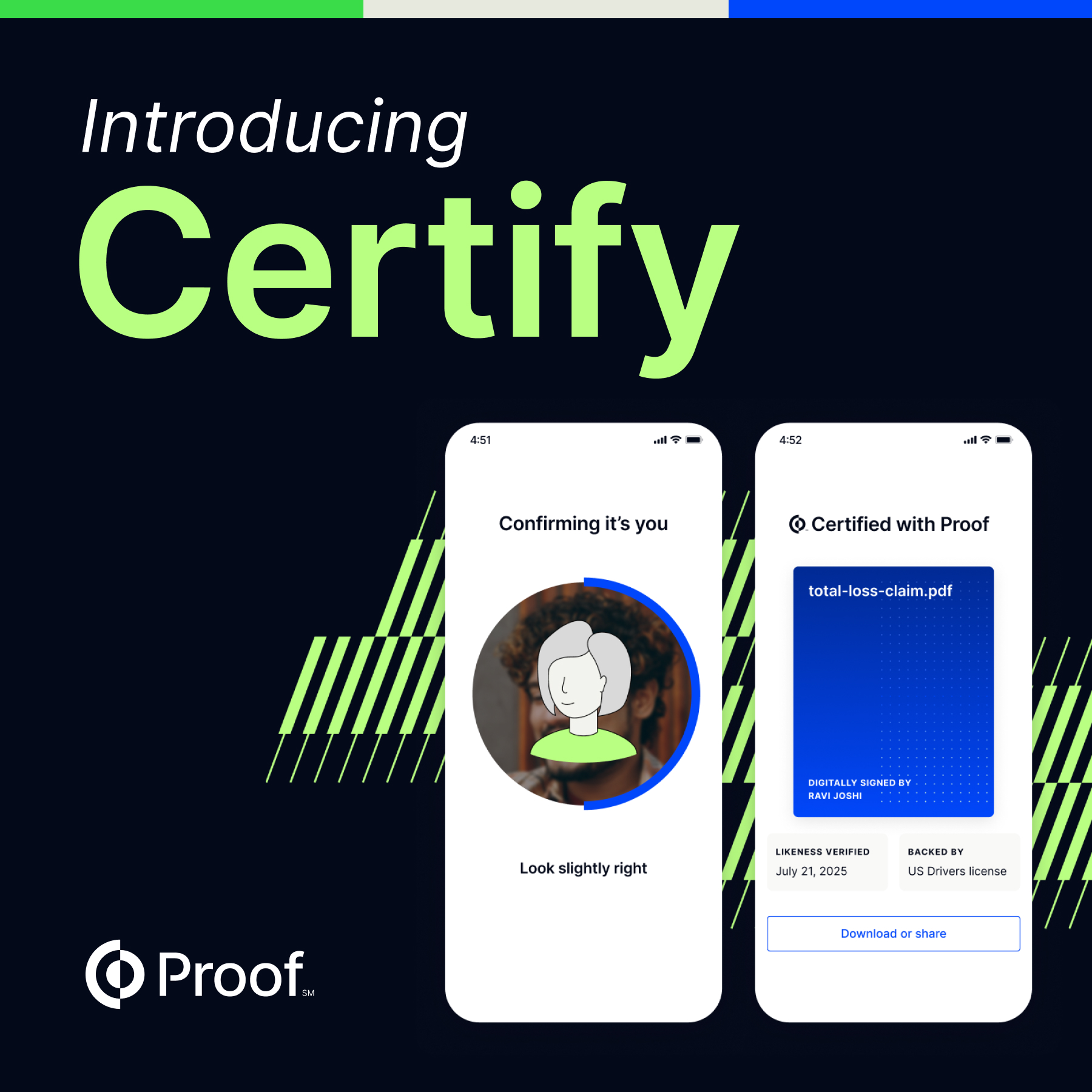
- Identity validation: Rigorous verification of the signer's identity before the session begins
- ID capture: Digital capture and storage of the signer's identification document
- Session recording: Full recording of the notary session for future reference and audit purposes
- Audit trail: A comprehensive, readily available record of the transaction for your dealership
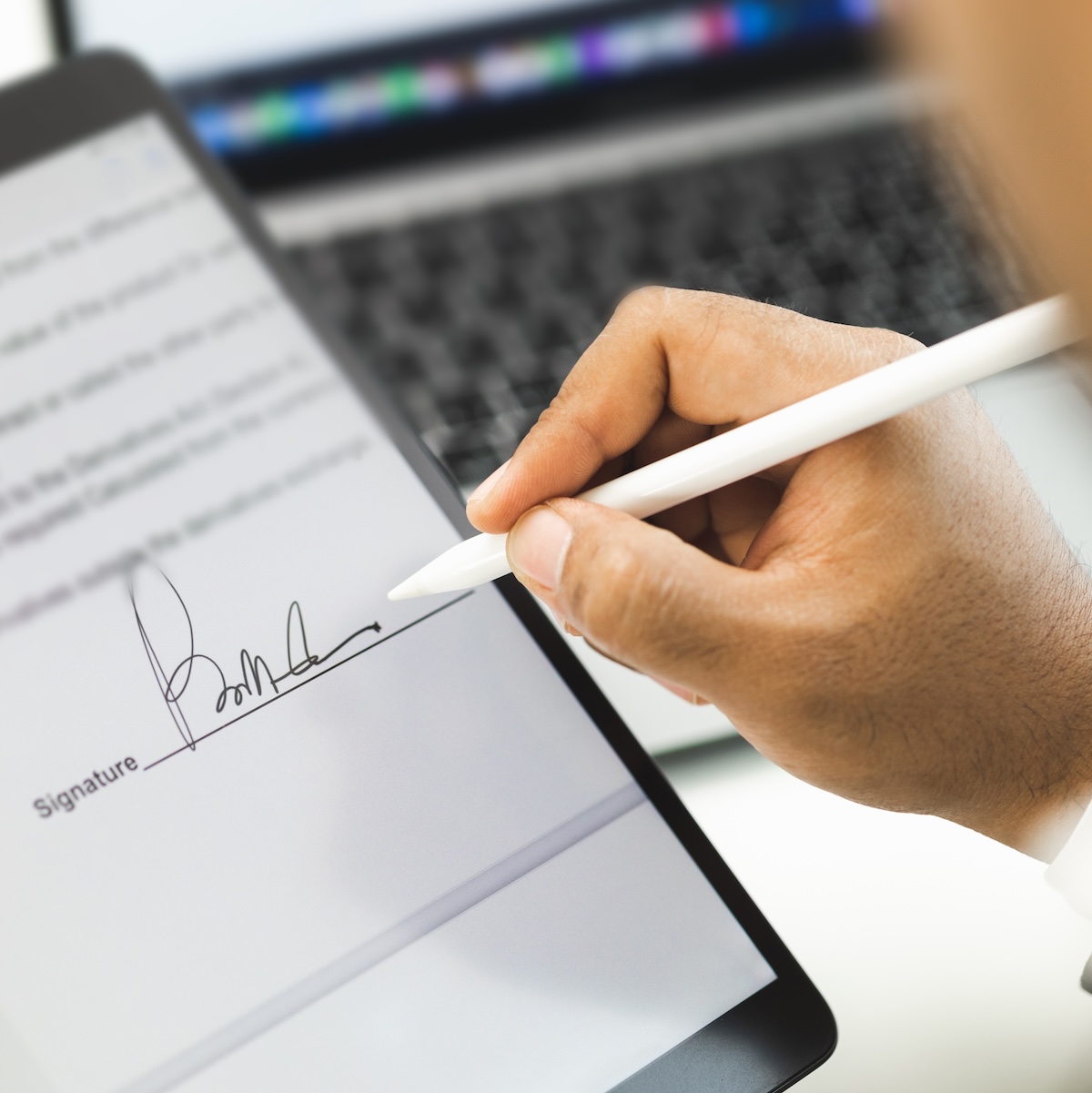
When fraud-related penalties in auto transactions can reach three times the vehicle's value, having a defensible, verifiable record of every authorization isn't optional. It's protection.
While you should use technology and automated processes to protect your business, no single tool is a complete solution. Proper fraud mitigation is a mix of technology and manual processes that work together to protect both your dealership and your customers, from the first credit application through the final signature.
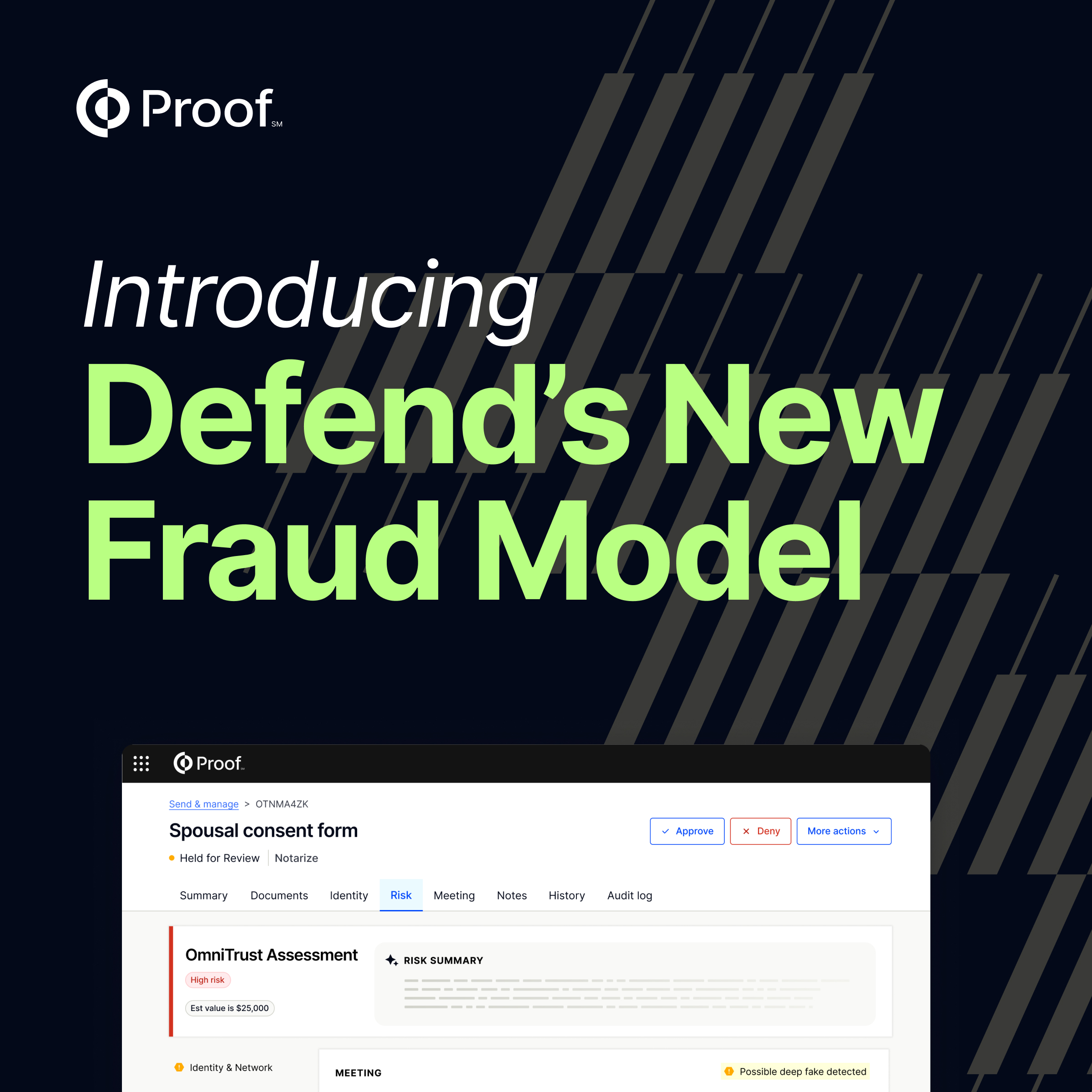
Proof's platform goes beyond notarization. With identity verification, fraud-protected eSignatures, and cross-platform fraud detection, dealerships can layer defenses across the entire deal lifecycle. Get started with Proof.














.jpg)











































.png)

.jpg)