Top 3 Types of Digital Identity Fraud


Updated June 1, 2026
Digital identity fraud isn't slowing down — it's scaling. And every breach, every leaked record, every exposed credential gives criminals more raw material to work with.
Criminals harvest personal data through phishing, unauthorized database access, and social media scouting, then use it to impersonate victims across financial, medical, and government systems. The damage compounds fast: drained accounts, fraudulent loans, corrupted health records, and more — often discovered only after the harm is already done.
Digital identity fraud doesn't just affect individuals: it exploits the gaps in every business workflow that touches customer data. Understanding how it works, and the forms it takes, is the first step toward stopping it before the damage is done.
Key takeaways
- Common fraud types: Financial, medical, and child identity theft are the most prevalent forms of digital fraud — each with distinct tactics and detection windows.
- Credit monitoring: Review credit reports regularly for accounts you don't recognize — new accounts opened in someone's name may never generate statements you'd see.
- Early detection: Watch for unexpected bill collector calls, denied loan applications, or insurance claims for services never received.
- Business exposure: The same identity fraud vectors that target individuals also exploit gaps in organizational workflows that touch customer data.
- Child protection: Children make especially attractive targets because their clean credit histories can go undetected for years.
- Reporting: Report suspected theft immediately to IdentityTheft.gov and notify affected financial institutions.
The three types of digital identity fraud
1. Financial identity theft
Financial identity theft is the most common form of digital identity fraud — and the most damaging. The goal is straightforward: criminals steal personal and financial details to obtain credit, loans, goods, and services in someone else's name.
Common tactics
- Opening new credit card accounts or applying for loans using stolen credentials
- Using compromised bank account numbers for unauthorized transfers
- Making purchases with cloned or stolen payment information
- Taking over existing accounts by using stolen usernames, passwords, or security answers to lock out the real owner
- Filing fraudulent tax returns to intercept refunds before the victim files
What you can do
- Enroll in credit monitoring to catch new account openings in real time
- Place a fraud alert or credit freeze with all three major bureaus: Equifax, TransUnion, and Experian
- Review credit reports at least annually at AnnualCreditReport.com
The real danger is that creating new accounts in someone's name causes far more financial damage than simply maxing out a stolen card — and it takes much longer to detect. Victims often don't realize fraud has occurred until a credit check reveals accounts they never opened. Watch for small, unfamiliar charges too: criminals often test stolen payment information with low-dollar purchases before scaling up.
For organizations processing financial transactions and account openings, passwords alone are not a trust signal — they're a threshold. Once compromised, they grant full access with no further verification. Layering biometric verification and real-time risk signals onto authorization workflows closes that gap.
2. Medical identity theft
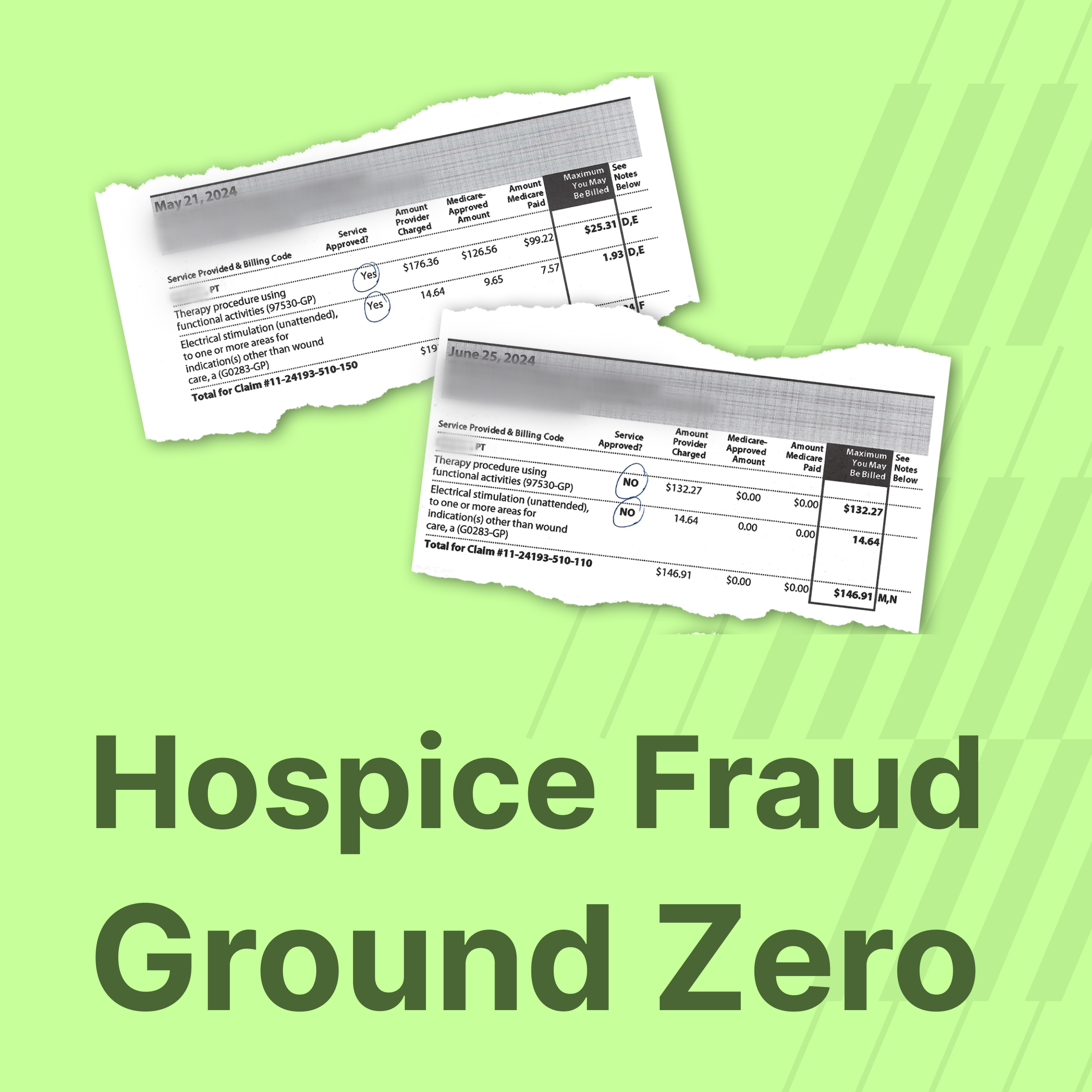
Healthcare data is often less guarded than financial data, and criminals know it. Medical identity theft occurs when someone uses a victim's name, insurance information, or provider details to obtain medical care, prescription drugs, psychiatric treatment, substance abuse services, or reimbursement for services that were never rendered.
Common tactics
- Using a victim's insurance ID to receive medical care or prescription drugs
- Submitting fraudulent reimbursement claims for services never rendered
- Accessing provider credentials to bill insurers under another person's name
What you can do
- Review insurance Explanation of Benefits (EOB) statements as carefully as financial statements
- Contact your insurer immediately if you receive an EOB for services you didn't receive
- Request your medical records annually to check for entries you don't recognize
With rising medical costs, this type of fraud has become increasingly attractive to criminals. The consequences for victims extend well beyond financial loss: fraudulent medical records can corrupt actual health histories, leading to incorrect diagnoses or dangerous treatment decisions if inaccurate information appears in a patient's file.
Medical identity theft is also notoriously difficult to detect. Most people don't review their insurance statements with the same rigor they apply to financial accounts — and that gap gives criminals room to operate unnoticed for months or years.
For organizations onboarding patients or processing insurance claims, identity authorization — confirming that a real, present individual is taking the action — is what separates a verified transaction from an exploitable gap.
3. Child identity theft
When a criminal uses the personal information of a minor to open financial accounts, apply for government benefits, secure housing, or get a job, the fraud falls under the child identity theft umbrella. Because most people don't regularly check their child's credit, this type of fraud can go undetected for years. Many victims don't discover it until they become adults and file a tax return, apply for student loans, or try to open their first bank account.
Common tactics
- Opening credit accounts or lines using a minor's Social Security number
- Fraudulently obtaining employment using a child's clean identity record
- Filing tax returns in a child's name to claim refunds
What you can do
- Contact the major credit bureaus to request a credit freeze for your child
- Monitor for employment fraud and benefit applications that don't require a credit check
- Check whether your child has a credit file at all — if they do and they've never had credit, investigate immediately
Children make especially attractive targets because their clean credit histories can go untouched for years, giving fraudsters a long runway to exploit a stolen identity without raising alarms.
For organizations onboarding young adults or processing account applications, mismatches between applicant age, credit history length, and associated identity records are potential synthetic identity signals worth flagging.
How to detect and respond to digital identity fraud
The same controls that protect individuals also apply to the organizations processing their data. Here's what to watch for and what to do when fraud is suspected.
Watch for warning signs
The signals are often subtle. A loan application denied for no clear reason. An insurance claim for a hospital visit that never happened. A tax return rejected because one was already filed in your name — or your child's. Each is a signal that someone may already be operating under a stolen identity.
Strengthen credential controls
Credential stuffing, brute-force attacks, and phishing campaigns are among the most common entry points. Once one password is compromised, attackers test it across every account they can find. Requiring multi-factor authentication and moving beyond static credentials for high-risk actions significantly reduces this exposure.
Be cautious on public networks
Public Wi-Fi is an interception point — and attackers don't just capture financial data anymore. Behavioral signals, device identifiers, and browsing patterns are all fair game. Use a VPN when connecting in public spaces.
Verify all links and communications
Credential stuffing and phishing campaigns often start with spoofed emails impersonating well-known companies. Carefully check the actual sender address — a single-character difference in a domain name can redirect a victim to a fraudulent site. Never provide personal information in response to an unsolicited email request. Contact the company directly using contact information from their official website.
Report digital identity fraud immediately
If you suspect identity theft, act fast:
- Report to the FTC: Visit IdentityTheft.gov or call 1-877-438-4338 to file a report and receive a personalized recovery plan.
- Freeze your credit: Contact Equifax, TransUnion, and Experian individually to place a security freeze on your credit file.
- Place a fraud alert: As an alternative when a freeze isn't practical, a fraud alert requires creditors to verify your identity before opening new accounts.
- Notify affected institutions: Contact all financial institutions, retailers, or healthcare providers where fraud was committed.
- Document everything: Save all correspondence, statements, and police reports for dispute escalation.
Digital identity fraud causes real financial damage — and the longer it goes undetected, the worse it gets. Taking precautions and watching for warning signs reduces risk, and acting fast limits the fallout when fraud does occur.
For businesses looking to protect customers from identity fraud across every transaction, Proof's platform combines identity verification, fraud detection, and cryptographically secured records to stop fraud before it causes harm. Learn how Proof can help.

















.jpg)
























































.png)

.jpg)