Why Loan Officers and Real Estate Agents Need to Think Digital


Updated June 1, 2026
Real estate doesn't wait, but outdated closing processes do. Borrowers expect to complete transactions from anywhere, on any device, at any time. When you can't offer that, deals stall, customers walk, and risk creeps in. For loan officers and agents, offering virtual closings is a requirement now, not a perk.
eClosings are the standard. A fully digital closing uses technology at every step:
- eNotes and eSigning to eliminate paper from the process
- Document preview so signers review documents ahead of time
- Video conferencing with a licensed notary for real-time verification
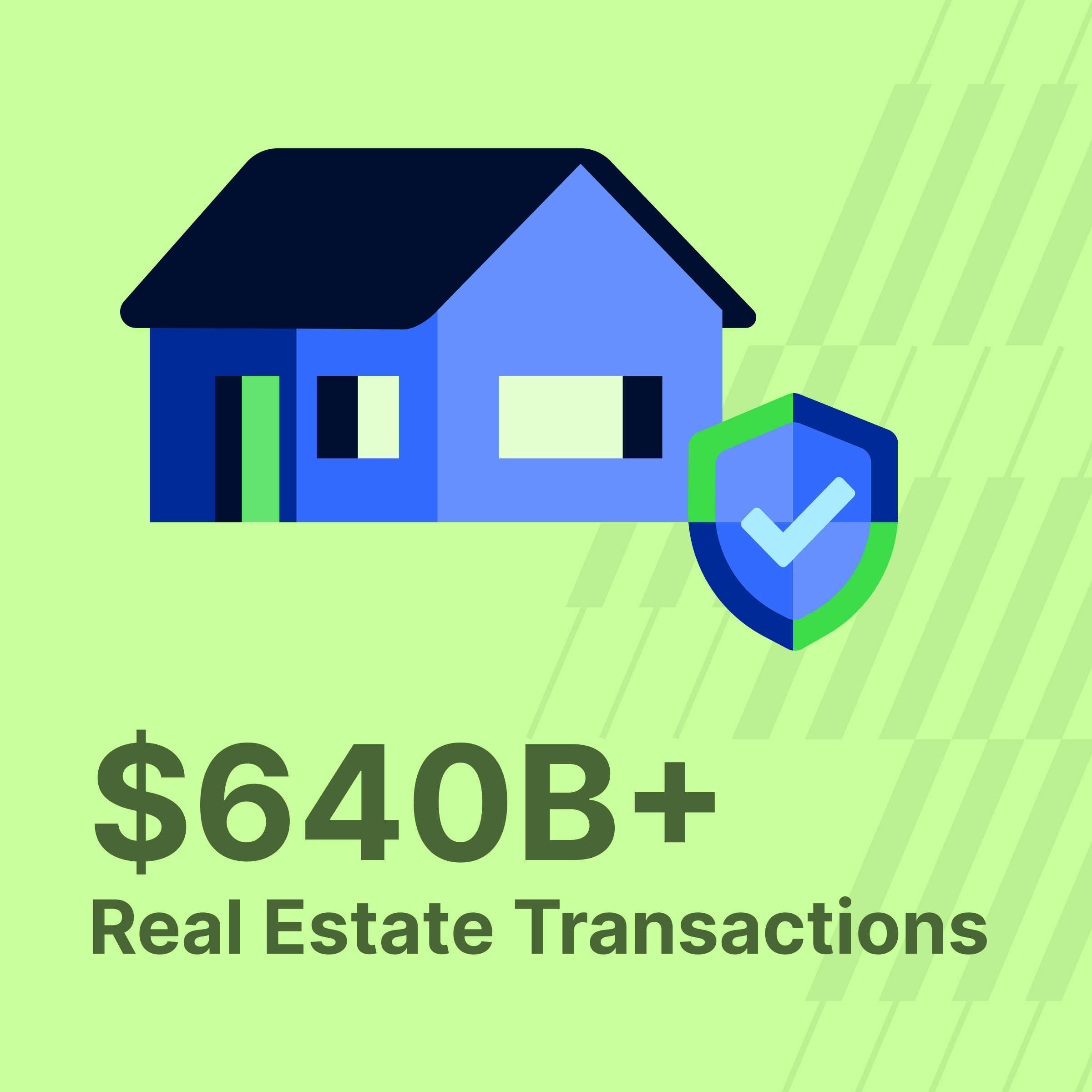
Online notarization is a critical facet of that digital closing workflow. What was once completed exclusively in person is now widely used across the real estate industry. Proof's platform has powered more than $640 billion in real estate transactions, with 24/7 access to a nationwide network of notaries and acceptance across all 50 states. Online notarization is a compliance and competitive necessity. Here's what's driving adoption, and what it means for your workflow.
Key takeaways
- Digital is the standard: eClosings and online notarization are competitive necessities for modern real estate professionals, and the workflows are available today.
- Legal validity: Online notarizations are legally recognized across all 50 states and carry the same legal weight as traditional paper documents.
- Enhanced security: Digital platforms provide superior fraud protection through encrypted audit trails, biometric comparison, and multi-factor identity verification.
- Increased efficiency: Virtual closings reduce the average notarization to under 10 minutes, eliminating travel and scheduling delays.
Online notarization is legal
Online notarization is legally authorized in the vast majority of U.S. states and accepted nationwide. It started in 2011, when Virginia passed House Bill 2318/Senate Bill 827, becoming the first state to authorize notaries to notarize documents remotely via live audio-video technology. Since then, the vast majority of states have passed permanent laws authorizing their notaries to perform online notarizations. These online notarizations are accepted across the country due to a long-standing body of laws in each state that specifically provides for recognition and acceptance of out-of-state notarizations. Importantly, under these state frameworks, an electronic document notarized through an online notarization is considered an original document, carrying the same legal weight as its paper counterpart.
This means that as long as the online notary is based in a state that has legalized online notarization, they can legally notarize a document for a signer anywhere in the country.
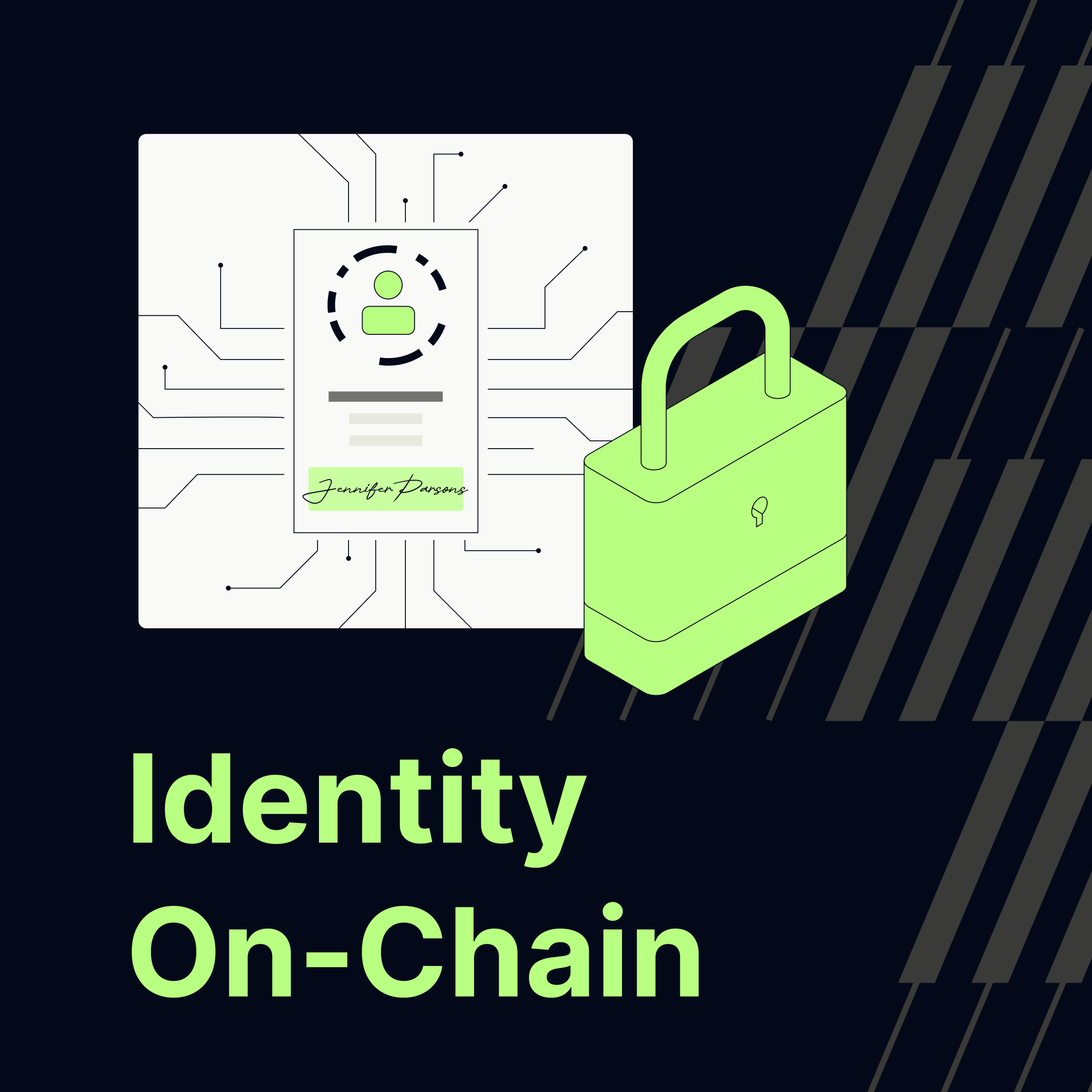
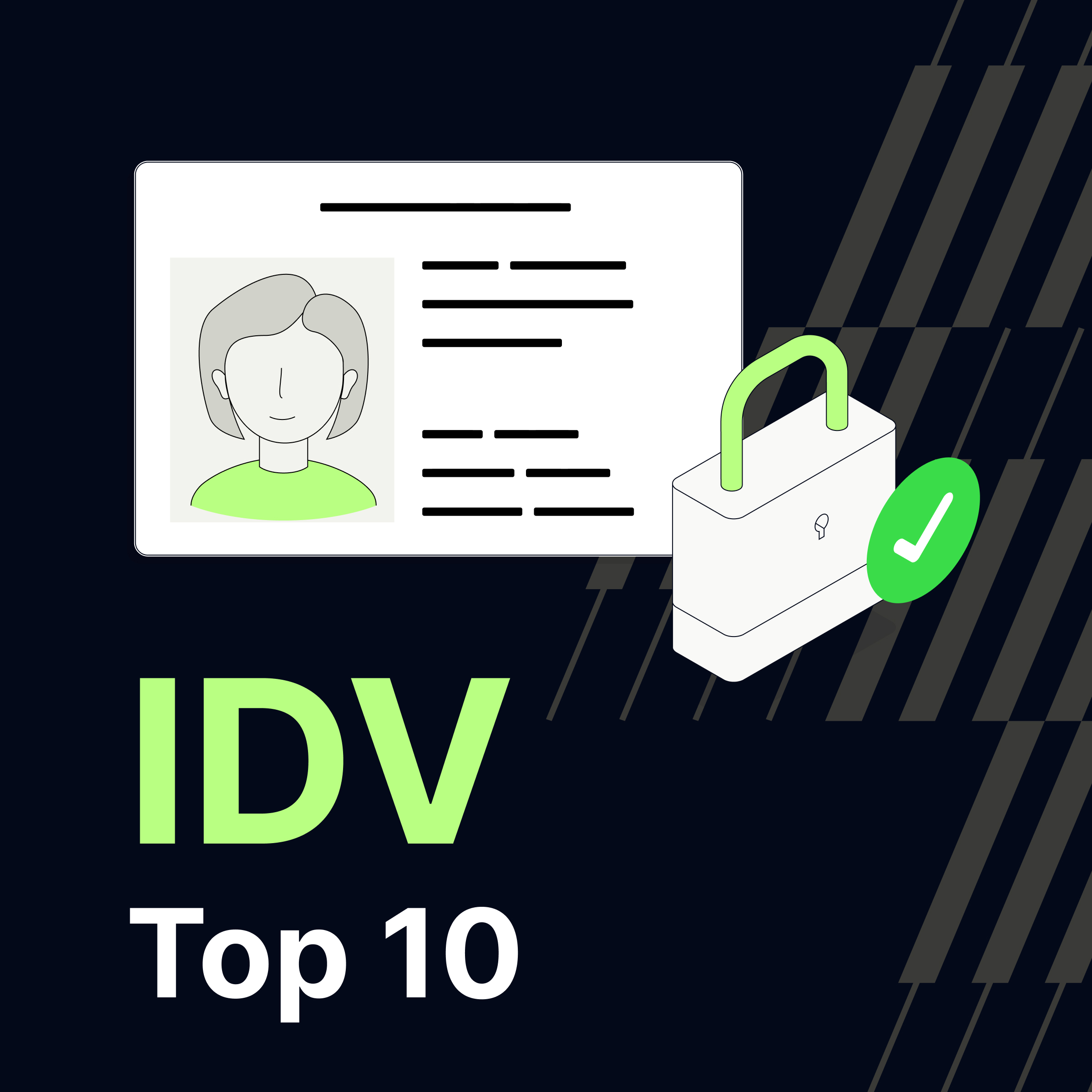
Proof's digital platform connects users via video conferencing with notaries who can legally notarize documents online. The process includes multiple layers of identity verification:
- Remote presentation of a government-issued photo ID
- Credential analysis
- Identity proofing
Acceptance is broad and growing. Before initiating a transaction, confirm that all parties in your workflow, including lenders, title companies, and underwriters, are set up to receive digital documents. This is a workflow configuration step, not a question about legality.
Digital closings are safer than paper
Every delay in a closing is an exposure point: for your pipeline, your client's timeline, and the integrity of the transaction. A fully digital closing eliminates the scheduling bottlenecks, physical document handoffs, and geographic limitations that slow transactions and introduce error.
Paper feels like a safeguard. Paper documents have no access controls, no audit trail, and no way to confirm whether they've been altered, copied, or intercepted. Keeping important documents on a digital platform provides demonstrably better security.
Common risks with paper-based closings
- Documents damaged, misplaced, or accidentally destroyed with no recovery path
- Sensitive files falling into the wrong hands with no way to detect it
- No verifiable audit trail if a dispute arises after closing
- No confirmation of who accessed the document or when any changes were made
What you can do
- Use an encrypted digital platform that stores documents securely with access controls
- Require multi-factor authentication before any signer accesses files
- Leverage a tamper-evident audit trail that documents every action in the process
- Replace paper-only workflows with a fully digital closing process
Proof's platform verifies signer identity before the notarization even starts:
- Multi-factor authentication
- Credential analysis
- Knowledge-based authentication (KBA)
- Biometric comparison
Every session is encrypted and produces a detailed audit trail: a complete, verifiable record of who signed, when, and how their identity was confirmed. Proof's platform is built to be compliant regardless of which state the buyer is in, so you and your clients can trust that every transaction is safe, secure, and defensible.
Digital closings are the standard. Loan officers and agents who haven't built virtual workflows into their process are leaving risk on the table and losing clients to competitors who have.
From eSigning to online notarization, these capabilities ensure every transaction moves forward with the speed, security, and compliance your clients deserve. Proof connects your clients with a licensed notary in under 10 minutes, on any device, with full identity verification and a court-defensible audit trail built in.
Get started with Proof to see how digital closings work for your business.













.jpg)








































.png)

.jpg)