If you’ve been eyeing a career change, searching for a side hustle, or simply wondering if your knack for catching typos could actually pay off, you might have asked yourself: Are proofreaders in demand? It’s a fair question, especially in the digital age, when artificial intelligence (AI) tools can churn out content in seconds and the sheer volume of text being created daily seems endless.
You might be picturing a shrinking job market, or maybe you’ve heard that publishing and corporate writing still rely heavily on human beings for review. The truth is more nuanced than a simple yes or no.
In this article, we’ll break down what proofreading demand really looks like in 2025, from the job market to the booming freelance scene. We’ll explore how AI has changed the landscape, where the strongest opportunities lie, and what skills and specializations can give you a competitive edge.
By the end, you’ll have a clear sense of whether full-time proofreading jobs, freelance proofreading gigs, or even remote proofreading jobs could be your next move.
Demand Landscape in 2025
Before you commit to learning a new skill, it’s smart to know what the market looks like right now. Let’s take a closer look at the overall job outlook of editing and proofreading in 2025, from traditional employment numbers to freelance trends and the role AI now plays:
Job Market Data
Let’s start with the numbers. The US Bureau of Labor Statistics reported that in May 2023, there were about 5,490 full-time proofreaders and copy markers on the payroll. These professionals earned an average salary of $23.46 an hour. That’s a decent income for work you can often do from home with a laptop and Wi-Fi.
The Bureau of Labor Statistics provides employment projections for the 2023–2033 decade, though specific growth rate data for proofreaders is included in their supplemental occupational data rather than detailed outlook profiles.
Traditional employment for proofreaders is projected to shift slightly (a 3 percent decline), mostly due to consolidation in traditional publishing. But that doesn’t mean proofreading is going away. In fact, demand is simply moving into new areas, freelance platforms, self-publishing, and online content, where skilled proofreaders are thriving.
While traditional editing roles are projected to dip slightly, there are still about 9,300 openings each year due to retirements and career transitions. That means thousands of opportunities annually for new professionals who have strong proofreading and editing skills. Strong proofreading skills and style guide knowledge keep opportunities alive. In short, demand persists even as traditional roles shrink.
Overall, the U.S. job market is projected to grow by 6.7 million jobs from 2023 to 2033. And as industries expand, especially in digital spaces, the need for clear, professional writing (and the proofreaders who polish it) continues to grow alongside.
That’s why proofreaders continue to play a vital role in ensuring that documents are clear, professional, and error-free, particularly as content creation volume increases across digital platforms and traditional media.

Freelance and Platform Trends
The freelance market tells a different story. It’s thriving. On Upwork, the median rate for proofreaders is around $25 an hour, but experienced pros command $30 to $35 an hour, sometimes more. Beginners often start closer to $18 an hour and work their way up as they collect positive reviews.
Hourly rates aren’t the only option. Many successful proofreaders bill by the word, and that can translate to $20 or more per one thousand words for standard projects. Specialized work, like academic proofreading or transcript proofreading, often pays higher.
Then there are side hustle opportunities: polishing ebooks for mystery writers and self-published authors, cleaning up transcripts for podcasts, checking course materials for online educators, or even proofreading social media posts for influencers who care about their brand voice.
These roles allow proofreaders to spend time on meaningful work while enjoying flexibility. Remote proofreading jobs are especially attractive for people who want to work independently but still earn a solid income.
Impact of AI on Demand
Are proofreaders still needed in the era of AI? The digital age of automated content is undeniably transforming the way we create and process text. Tools like ChatGPT and Grammarly can produce blogs, marketing materials, and product descriptions in seconds.
But speed doesn’t equal precision. AI frequently overlooks nuances like tone, the intended message, or style, and it often struggles with proper sentence structure, punctuation, and the finer points of spelling and grammar.
That’s where human proofreaders come in. They offer the eagle eyes needed to catch issues that technology misses. Whether it’s reviewing legal contracts or editing academic papers, AI simply can’t provide the level of care and understanding required for truly polished work.
Even in cases where AI-generated content is used, clients still rely on human professionals to edit and enhance the final product. In many industries, human-AI collaboration is essential to meet high-quality standards. Proofreaders play a vital role in helping writers and businesses achieve effective communication.
Rather than eliminating the need for proofreaders, AI has actually created new opportunities. The sheer volume of machine-written text means more content requires review, and that’s likely to continue over the next few years.

Channels and Sectors Hiring Proofreaders
Proofreading demand is thriving across multiple industries. But who hires proofreaders in 2025? Opportunities exist in traditional publishing, specialized niches, and fast-paced online sectors, all of which produce a vast amount of content and require professional review.
Self-Publishers and Ebook Authors
The self-publishing boom shows no signs of slowing down. Authors from every genre, including mystery writers, are producing novels, memoirs, and how-to guides at a rapid pace. Without a traditional publisher, the burden of quality control often falls on the author.
Many of these writers hire a developmental editor for big-picture feedback. But they still need line-level corrections from a proofreader. That’s where developmental editing, line editing, and proofreading become distinct services. While one focuses on structure, the other ensures the book is error-free.
Self-publishing proofreading goes beyond typos. Proofreaders ensure consistency in character names, formatting, and style. The end result is a professional product that earns positive reviews and keeps readers coming back.
Readers expect a professional product, and reviews often point out sloppy editing. Proofreaders who know Kindle Direct Publishing’s guidelines, electronic publication formatting, and genre-specific conventions can quickly become go-to partners for authors aiming to impress their audience.
Academic and Research Sectors
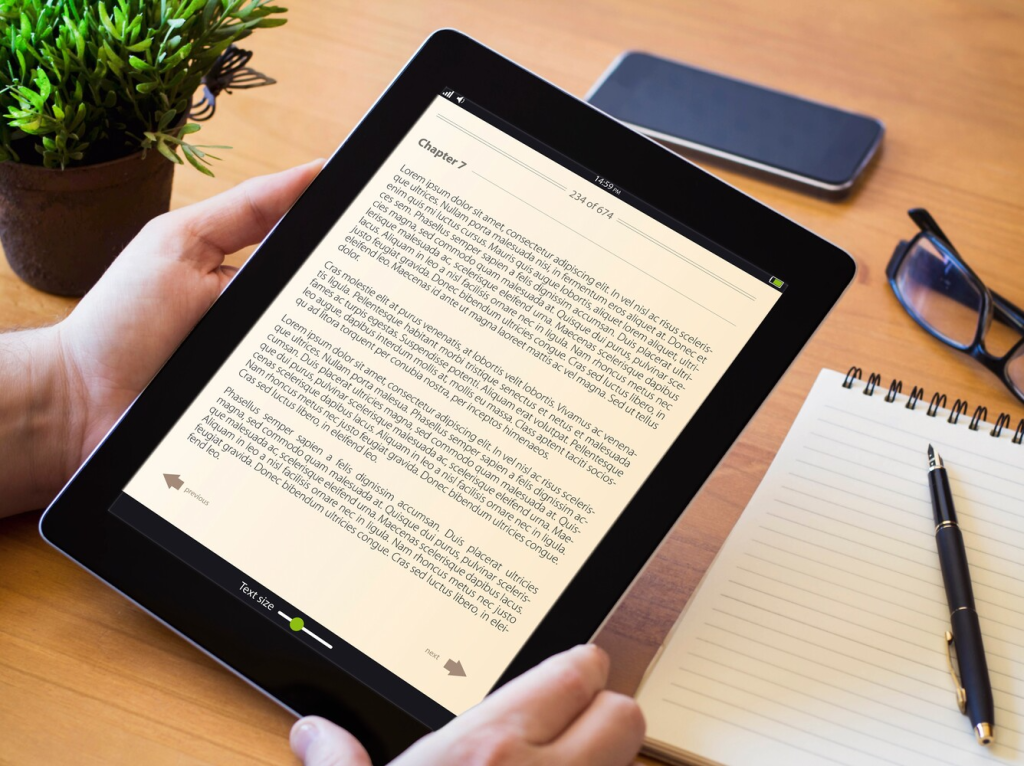
Universities, researchers, and grad students continue to rely on proofreading services to meet strict formatting and grammar standards. These documents, from dissertations to journal submissions, require expert knowledge of American Psychological Association (APA), Modern Language Association (MLA), or Chicago style.
Academic proofreading plays a significant role in helping non-native English speakers polish their own work. Proofreaders with eagle eyes and style expertise are often the difference between getting published and being rejected.
In this niche, even a small mistake can have high stakes. That’s why skilled professionals remain in high demand, especially those who understand the expectations of academic institutions.
Transcription-Based Work
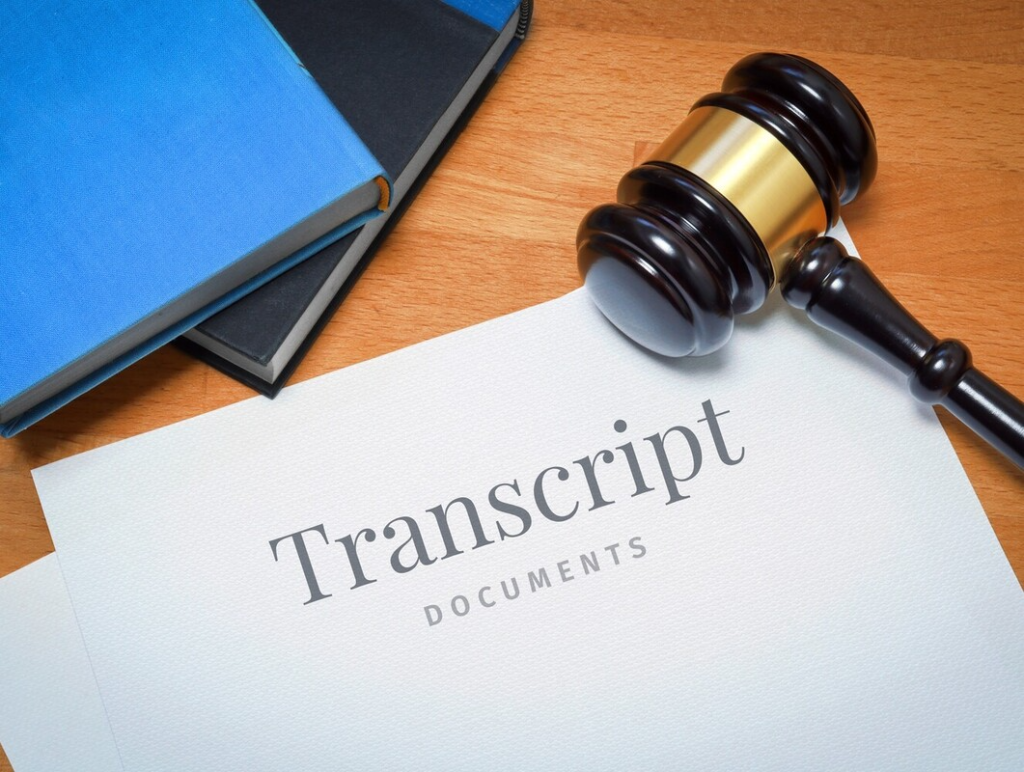
The rise of audio and video content means more creators rely on accurate transcripts for accessibility and search engine optimization (SEO). But transcripts are only as good as their editing. Whether it’s a court proceeding or podcast episode, transcript proofreading ensures the final version is clear, accurate, and properly formatted.
This niche often demands a deep understanding of language, industry jargon, and even legal or medical terminology. Proofreaders who specialize in this area become essential to clients who need accuracy and fast turnarounds.
Non-Native English Clients
For professionals and businesses operating globally, clear communication is non-negotiable. That’s where proofreaders help improve everything from marketing materials to presentations and social media posts.
The goal is not just grammatical accuracy but also tone and cultural fluency. This requires proofreading skills that go beyond mechanics, helping clients connect with international audiences in a natural, persuasive way.
Corporate Documentation
Internal communication, business proposals, training manuals, and reports all require proofreading. A typo in a contract or unclear language in a company policy can have legal or financial consequences.
Companies look for professionals who can guarantee effective communication in their business documents. Those who understand confidentiality, brand voice, and technical terms often find long-term success working with repeat clients.
Social Media and Influencer Content
Social media content is fast-paced, but speed doesn’t mean skipping quality control. Brands and influencers know that one awkward typo can make a campaign look unprofessional. Social media posts, captions, sponsored digital content, marketing materials, and short-form video scripts all need to be tight, clear, and aligned with the brand’s personality.
On average, proofreaders spend only a short amount of time on each piece of written content, dealing with quick turnarounds and sometimes reviewing social media posts just hours before they go live. That means you need to be fast without missing details.
The work can be creatively satisfying, especially if you enjoy writing styles that are playful, conversational, or trendy. It’s also a growing area as more creators and businesses invest in polished online identities.

Skills and Advantages That Drive Demand
Being good at spotting typos is a start, but today’s most sought-after proofreaders bring more to the table. The right mix of technical skill, industry knowledge, and adaptability can make you the go-to choice for clients in competitive markets. Let’s break down the skills that keep proofreaders in demand year after year:
Mastery of Style Guides
Every field has its preferences, from Associated Press (AP) to MLA to Chicago. Clients expect accurate adherence to these formats, especially in academic papers, research, and legal documentation.
Academic papers often require APA or MLA formatting. Publishing houses and magazines tend to follow The Chicago Manual of Style. Legal documents have their own formatting conventions and precise language requirements.
When you can confidently switch between these styles, you instantly broaden the range of written content you can proofread. That flexibility can mean more job opportunities and higher pay.
Comfort With Digital Tools
Modern proofreading almost always happens in a digital environment. Knowing your way around Google Docs, Microsoft Word’s Track Changes, and PDF annotation tools keeps your workflow smooth.
Add in a few smart apps like Grammarly or ProWritingAid, and you can speed up the process without sacrificing quality. These automated tools catch common mistakes and help maintain consistency, but your judgment is what makes the final draft shine.
Niche Specializations
General proofreading work is valuable, but specializations can boost your rates and help you attract clients who need specific expertise. Proofreading academic papers, legal documents, marketing materials, and transcripts are all areas where precision is critical.
For example, a court transcript needs correct spelling for names, exact punctuation for clarity, and adherence to strict formatting rules. Clients in these niches often return to the same proofreader again and again once they find someone who understands their needs.

Editing AI-Generated Text
With AI writing tools producing more content than ever, the demand for proofreaders who can humanize that text is growing. AI might use machine learning to churn out a serviceable draft, but it often misses tone, flow, and subtle meaning.
Human proofreaders who can smooth awkward phrasing, fix context errors, and make the writing sound natural bring real value to clients. This skill is especially useful for marketing copy, blog posts, and self-publishing projects where voice and style matter.
Certification and Ongoing Learning
Formal training isn’t always required, but it can set you apart. A proofreading certification from a program like Proofread Anywhere signals professionalism to potential clients.
Taking proofreading courses also keeps your skills sharp and ensures you’re aware of industry updates, like changes to style guides or new editing software. In a field where language rules and client expectations can shift, continuous learning keeps you competitive.
How to Test and Gauge Current Demand for Yourself
Reading about industry trends is helpful, but nothing beats doing your own research. By checking a few reliable sources and looking at real-world activity, you can see exactly how much proofreading work is out there right now:
Search Job Boards
Start with popular job boards like LinkedIn, Indeed, and ZipRecruiter. Type in keywords such as online proofreading jobs, remote proofreading jobs, or proofreading jobs online. This simple search will show you how many current listings there are, where they’re located, and what skills or experience employers want.
Take note of recurring requirements, like familiarity with APA style or experience in transcript proofreading. Those patterns can help you decide where to focus your learning and marketing efforts.

Monitor Freelance Platforms
If you’re considering freelance proofreading, spend some time on sites like Upwork, Fiverr, or Freelancer.com. Look at the number of active proofreading jobs, how quickly they get filled, and what clients are willing to pay.
Pay attention to the types of projects available. Are you seeing a lot of academic proofreading? Ebooks? Social media copy? This kind of market research will help you spot trends and identify niches with less competition but solid demand.
Join Online Communities
Online groups are a goldmine for insider information. Communities like r/Proofreading on Reddit, professional Facebook groups, or LinkedIn forums give you unfiltered insights into what proofreaders are experiencing in the field.
Members often share tips on finding clients, navigating rate negotiations, or dealing with slow seasons.
Tap Into Social Feedback
Sometimes the best information comes straight from other proofreaders. At Proofread Anywhere, we regularly hear from students and alumni about the jobs they’re landing and the clients they’re keeping.
We’ve seen social media discussions confirming that the demand is holding steady, even as AI and automated tools become more common. Hearing these firsthand accounts can give you the confidence that your skills will be valued in the market.
Recommendations for Proofreader Aspirants
If you’re thinking about launching your own proofreading business, the process might feel a little overwhelming at first. The good news is you can take it step by step. With the right approach, you can become a proofreader without spinning your wheels:
Start on a Freelance Platform
For new proofreaders, it makes sense to start where the clients are already looking. Sites like Upwork and Fiverr are popular because they connect you with people actively seeking proofreading help. You don’t have to figure out how to find them because they are already there.
Your first few projects might be small, such as proofreading a blog post or checking a short ebook for typos. That’s fine. Every completed project adds to your credibility. Those first positive reviews are powerful. They tell potential clients you can deliver, meet deadlines, and communicate well.
Over time, you’ll be able to take on bigger projects and apply for higher-paying opportunities on these platforms. For proofreading for beginners, this is a practical way to get your foot in the door and delve into work-from-home proofreading.

Pick a Niche
Once you’ve answered the question “What is proofreading?” for yourself, it’s time to pick a niche. General proofreading work exists, but specialization can help successful proofreaders stand out quickly. For example, you might choose academic proofreading and become an expert in APA and MLA styles.
You could also work with non-native English authors, helping them refine translations so they sound natural. Another option is transcript proofreading for court reporters, podcasters, or YouTube creators who need accurate captions.
You could even expand your skill set to include something like copyediting to become an advanced professional member of the proofreading community, opening the door to more jobs.
Each niche has its own demands. Academic work might require familiarity with research formatting, while transcripts often need exact punctuation to reflect tone and pauses.
The more you understand the unique needs of your chosen niche, the more you position yourself as the go-to professional for that type of work. Specialists often earn more and build repeat business faster than generalists.
Build a Portfolio
When learning how to become a proofreader, building a portfolio is vital. Your portfolio is your proof of skill. It’s how you show, not just tell, clients what you can do. Include before-and-after samples that clearly highlight your corrections and improvements. Testimonials from happy clients add trust, especially if they describe how your work helped them achieve a goal such as publishing a book or meeting a tight academic deadline.
Aim for variety in your portfolio. Include different types of projects such as ebooks, essays, marketing copy, blog posts, and transcripts so clients can see the range of work you handle. Make it easy to share by creating a PDF version or hosting it on a simple website or portfolio platform. One link can open doors and make your proofreading business a success.
Use AI as an Assistant
AI tools like Grammarly, ProWritingAid, and language models can be useful for speeding up the initial editing pass. They can catch repetitive errors, highlight awkward phrasing, and ensure basic grammar rules are met. But they aren’t perfect.
Your role is to go beyond what AI can do. You’re the one who can tell if the tone fits the audience, if the facts make sense in context, and if the style aligns with the client’s goals. AI can help you work faster, but your judgment and experience are what make the finished product truly professional.

Keep Learning
Language evolves. Style guides update. New software appears. If you stop learning, it’s easy to fall behind. Staying active in proofreading communities keeps you connected to industry news and trends.
Taking proofreading courses, whether to sharpen your proofreading skills or explore a new niche, can open new opportunities. Earning a proofreading certification from a reputable program like Proofread Anywhere can also help you stand out to potential clients. Even if you’re brand new and haven’t worked out basic questions like what proofreading is, courses can set you up for success.
Continuous learning is how you stay relevant in a changing market.
Set Realistic Rates
Pricing is often one of the hardest parts of starting out. Aiming for $20 to $35 per hour is a reasonable starting point for most beginners, adjusting for your experience and the complexity of the work. Some proofreaders prefer to charge per word, typically between $0.01 and $0.05, with specialized or rush jobs falling at the higher end.
As you gain experience and refine your processes, you can raise your rates to reflect your value. Many clients equate higher rates with higher quality, as long as you can demonstrate that your work justifies the price. Transparent, fair pricing helps you attract clients who respect your expertise and are willing to pay for it.
Conclusion: Are Proofreaders in Demand?
Proofreaders are still needed in 2025, especially in industries where nuance, accuracy, and sensitivity matter. While AI plays a role in speeding up content creation, it cannot replace the human touch that ensures clarity and quality.
For those considering a proofreading side hustle or a full-time proofreading career path, the outlook remains promising. Proofreading demand is evolving rather than disappearing.
If you’re ready to get paid to proofread and turn your attention to detail into a valuable skill, our free workshop is the perfect place to start, even if you have no prior experience.
Thank you so much
This is the most convincing and down deep insight for a novice and beginner guilde knowledge to proofreading career.Thankd.
Thanks for your posting.