Proofreading has changed a lot in recent years, with AI tools and advanced software making it faster and easier to catch grammar, spelling, and style mistakes that used to take much longer to spot. This has made the debate around manual vs automated proofreading more relevant than ever.
These days, technology can zip through thousands of words in seconds, flagging grammar slips and typos before you can blink. Still, there’s something special about what humans bring to the table: an ear for tone, an eye for flow, and a feel for when something just sounds right!
In this article, we’ll talk about what makes manual proofreading so valuable, the benefits of automated proofreading, and why the best proofreaders know how to use both. We’ll also share some of our favorite tips for building strong, professional proofreading skills that fit perfectly in today’s tech-savvy world.
What Is Manual Proofreading?
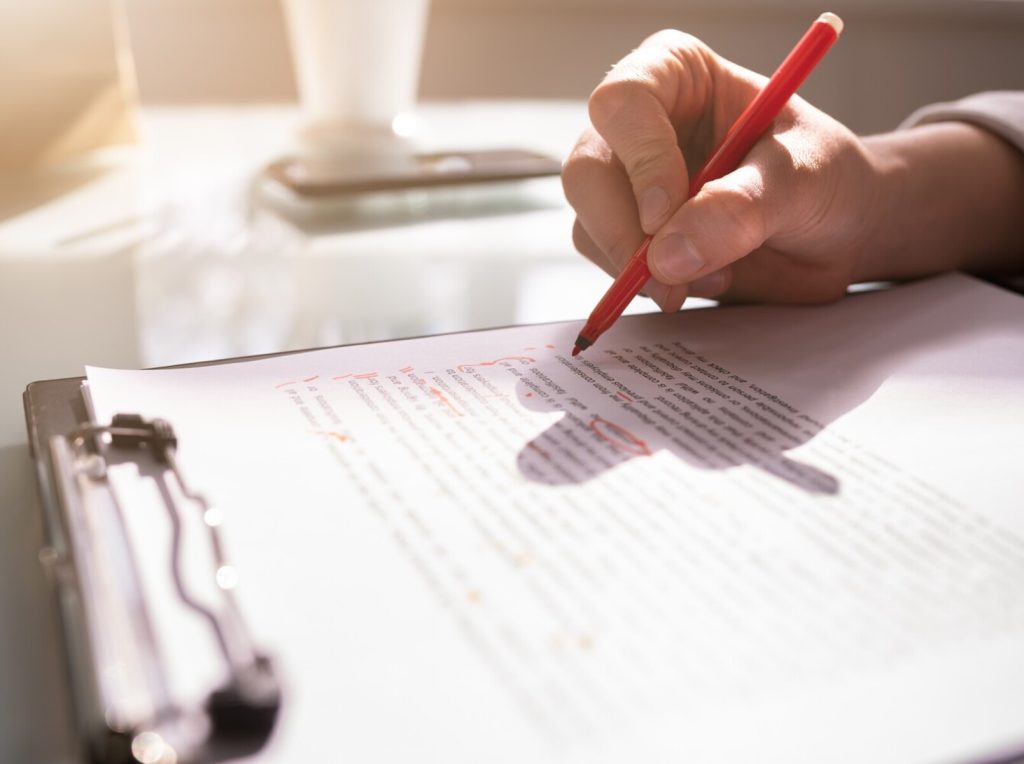
Manual proofreading is when a human proofreader, like you, carefully reads through a document to find and correct errors in grammar, punctuation, spelling, formatting, and consistency. It’s hands-on and detailed, relying on human judgment, sensitivity to tone, and understanding of context.
This approach goes beyond spotting typos. A professional proofreader evaluates the reader experience. You make sure the text feels polished, natural, and true to the writer’s intent. Machines can check correctness, but they can’t assess clarity or impact the way you can.
Key Benefits of Manual Proofreading
Manual proofreading remains an invaluable job with a growing market, even in an era dominated by AI. Here’s why:
1. Contextual Understanding
Humans pick up on meaning, tone, and subtle hints that software just can’t catch. You can tell when a line sounds a little off or when a phrase changes the writer’s intent.
Machines follow grammar rules, but people feel the flow. That sense of understanding gives human proofreaders a real advantage.
2. Adaptability and Professional Judgment
Every project has its own personality, and you learn to match it. A proofreader might use a lighter hand on a blog post but go extra precise on a business report.
You can sense when to keep a writer’s quirky phrasing or when it’s best to clean it up. That kind of flexibility only comes from human judgment.
3. Ensures Consistency Across Style and Voice
Keeping a document’s voice steady is where human proofreading really shines. You notice when punctuation feels out of place or when a sentence suddenly sounds like a different writer stepped in.
You make sure everything reads smoothly and sounds consistent from start to finish, which helps written content feel professional and cohesive.
4. Handling Complex or Creative Content
Sometimes, the writing process just needs a human touch. Think creative stories, persuasive marketing copy, or highly technical documents. Humans can navigate tricky phrasing, industry terms, or playful language without losing meaning.
You make sure the message lands exactly as intended while keeping it natural and easy to read.

5. Professional Trust and Client Confidence
Clients trust human proofreaders because they know you care about accuracy and meaning. In more technical niches, like transcript proofreading, that trust means everything. (Note: transcript proofreading is not the same as transcription — it involves reviewing completed transcripts for accuracy and formatting). A client wants to know their work was reviewed by someone who understands context, detail, and tone.
When you deliver that kind of quality, clients remember you, and they come back. This makes transcript proofreading a particularly good side hustle and full-time job, even with the rise of AI.
What Is Automated Proofreading?
Automated proofreading uses software, tools, or AI to scan text for grammar, spelling, punctuation, and stylistic errors. Examples include tools like Grammarly or Quillbot.
These automated proofreading tools can process large volumes of text quickly and apply consistent rules across multiple documents.
While automated proofreading can’t interpret tone or nuance, it’s incredibly efficient. It handles mechanical checks (things like typos, double spaces, and punctuation consistency) so that you can focus your time and attention on higher-level review.
Key Benefits of Automated Proofreading
Here’s why automated and AI proofreading deserves a place in your toolkit:
1. Speed and Efficiency
Automated tools are fast. Plain and simple. They can check thousands of words in seconds and flag everything from typos to missing commas. When deadlines are tight, this kind of speed can make all the difference. It lets you spend more time polishing the finer details instead of hunting for surface errors.
2. Consistency
Software follows the rules you give it. Whether you’re following Associated Press Stylebook (AP Stylebook), a company’s brand guide, or a client’s personal preferences, automation helps you keep everything consistent from start to finish. That steady application of rules keeps your work clean, professional, and easy to trust.

3. Reduced Oversight for Routine Errors
No one enjoys chasing down the same small mistakes over and over. Automated proofreading takes care of those repetitive issues like extra spaces, punctuation slips, and spelling errors. Plus, it leaves less room for human error, especially in longer documents.
When those basic proofreading tasks are handled automatically, you’re free to focus on structure, clarity, and meaning, all of which really elevate a piece of writing.
4. Version Control
Managing revisions can get complicated, especially when several people are editing the same document. Automated tools can compare versions and highlight even the smallest differences. This helps you confirm that edits are correct, ensure no errors sneak in, and maintain complete control over every update.
5. Time and Cost Savings
An automated proofreading tool helps you complete projects faster while maintaining accuracy. By cutting down on repetitive manual checks and time-consuming tasks, you can handle more work without lowering your standards. This not only saves time for you and your clients but also keeps your proofreading process efficient and cost-effective.
Limitations of Automated Proofreading Software
Even the smartest AI tools have limits. Here’s where automation falls short when it comes to proofreading:
1. Lack of Contextual Awareness
Automated proofreading software can’t always read between the lines. They might flag a line of dialogue that sounds natural in a novel or miss that a word choice slightly shifts the tone in a business email. Humans can sense intention and emotion, while proofreading software simply follows patterns. That’s where context truly matters.
2. False Positives and Inconsistent Suggestions
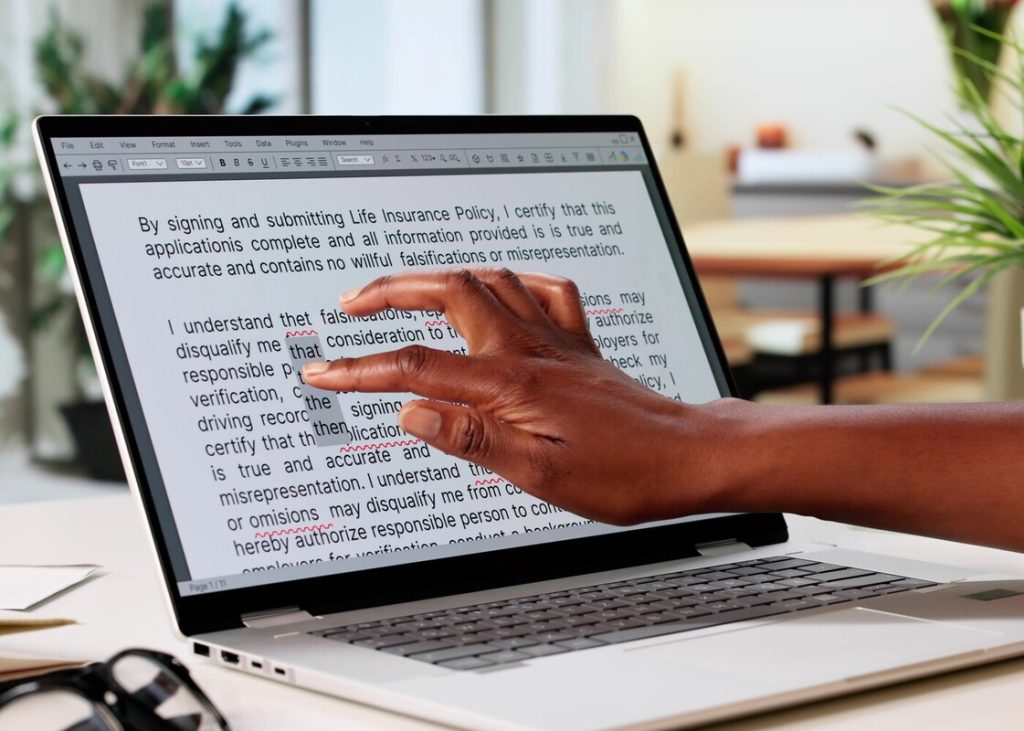
Sometimes, automated tools can be a little too eager. They’ll suggest changes that don’t fit a client’s brand voice or remove creative flair that gives writing its personality. You have to review every suggestion carefully and decide what works. It’s your professional judgment that keeps the text authentic.
3. Struggles With Creative or Technical Content
Creative writing and highly technical material can confuse even advanced AI systems. Automated proofreading tools may misinterpret certain things, like slang, humor, or industry-specific terms in legal documents. Because they don’t fully understand the context behind them, they may mark them as errors incorrectly.
Human proofreaders, on the other hand, understand when jargon, a scientific abbreviation, or a punchline is written exactly as intended.
4. Can’t Assess Structure or Flow
Automated proofreading focuses on words and sentences, not the big picture. It can’t tell when a paragraph drags or when an argument feels out of order. Humans can spot when ideas connect smoothly and when transitions need a little work. That ability keeps writing clear and cohesive.
5. Limited Adaptability
Automated tools work best when the rules are clear. If the software isn’t customized for a particular field, it can miss specialized terminology or context-specific details. A skilled proofreader who understands the industry, whether it’s medical, legal, or technical, can fill in those gaps and ensure everything reads accurately.
Manual vs Automated Proofreading: Which Is Better?
So, which is better: manual or automated proofreading? The honest answer: neither is perfect on its own.
Manual proofreading is unbeatable for understanding nuance, tone, and clarity. Automated proofreading, on the other hand, wins in speed and consistency. The real power lies in using both manual proofreading and AI tools.
We always recommend using both for truly thorough proofreading. Start with an automated pass to catch surface-level issues. Then, do your manual review to refine language, ensure flow, and verify accuracy. This hybrid approach makes your process more efficient while maintaining a professional, human touch. Even experienced proofreaders can benefit from this.
At Proofread Anywhere, we believe that manual proofreading remains a cornerstone skill for professionals, even in our tech-driven age. Automation should complement your expertise, not replace it.
8 Tips for Improving Manual Proofreading for Human Proofreaders
If you want to sharpen your manual proofreading skills and build a professional career, these are the habits that set experts apart:
1. Develop a Systematic Workflow
Don’t just “read and fix.” Work through documents in focused passes. Start with grammar and punctuation, then move to consistency, formatting, and overall flow.
This approach keeps you from feeling overwhelmed and ensures that every detail gets the attention it deserves from start to finish.
2. Practice with Real Documents
The best learning happens when you work with real-world material. Proofreading live documents teaches you how to spot tricky errors and handle different writing styles.
Both our General Proofreading and Transcript Proofreading courses include hands-on practice so you can apply your skills to actual client-style projects and build real confidence.
3. Learn and Master Style Guides
Professional proofreaders know their style guides inside and out. Whether it’s AP Stylebook, Chicago Manual of Style, or Modern Language Association Style, mastering these standards shows clients that you know how to adapt to their needs. Keep a copy handy for quick reference and make note of special client preferences that might differ from the norm.
4. Use Digital Tools Strategically
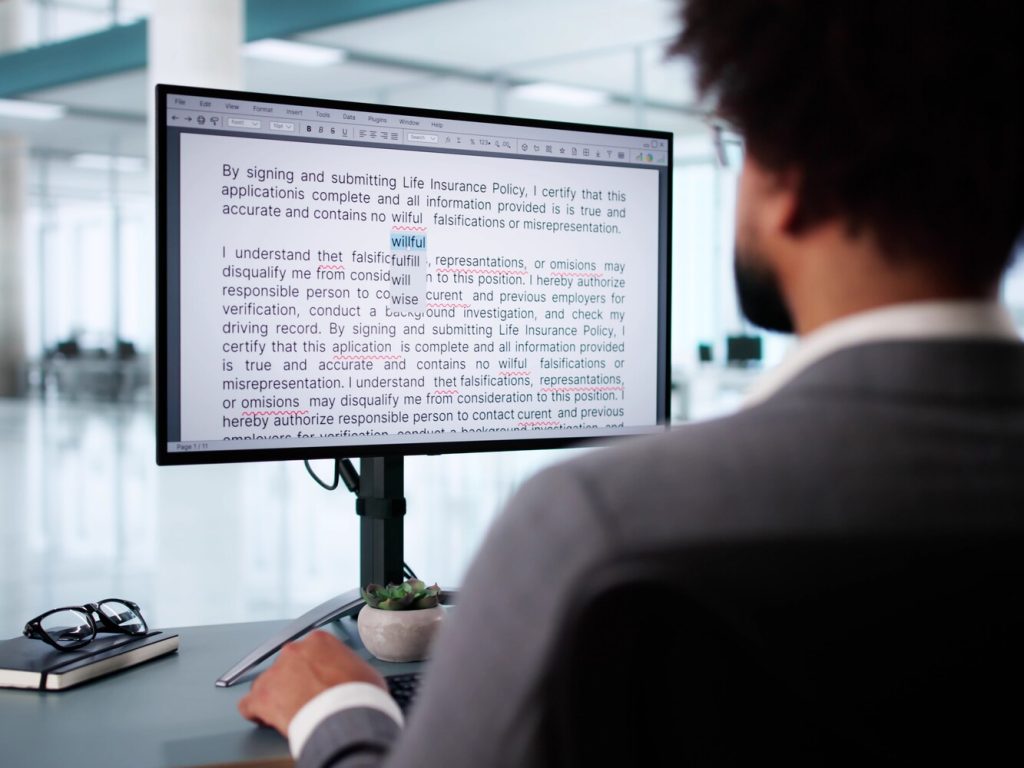
Automated tools can be fantastic helpers when used wisely. Run your text through them before or after your manual pass to catch surface errors like typos or spacing issues. Let technology handle the simple stuff so you can focus on the high-level details that require your professional judgment.
5. Stay Updated on Language Trends
Language keeps changing, and staying current helps you stay competitive. Keep up with updates to major style guides, follow discussions about new grammar rules, and read widely across industries. The more you know about evolving writing standards, the more valuable you become to clients who rely on your expertise.

6. Maintain Focus and Accuracy
Proofreading takes serious focus, especially during long sessions. Set up a quiet, comfortable workspace, and take short breaks to rest your eyes and mind. Staying alert helps you catch tiny inconsistencies that others miss and keeps your accuracy level high from the first page to the last.
7. Communicate with Clients Clearly
Great proofreading goes hand in hand with great communication. Ask questions when details aren’t clear, confirm deadlines, and review expectations before you start. Clients appreciate professionals who take the time to understand their goals, and that clarity leads to smoother projects and stronger working relationships.
8. Build Your Reference Library
Every proofreader needs a reliable set of resources. Keep a few good dictionaries, grammar guides, and online references close by for quick lookups. Having trusted tools within reach saves time, improves accuracy, and helps you handle even the trickiest style or spelling question with confidence.
Conclusion
Both manual and automated proofreading play important roles in today’s world, and knowing how to use each one effectively is what sets true professionals apart. Manual proofreading brings the human touch, intuition, and judgment that machines can’t replicate, while automation speeds things up and keeps repetitive errors in check.
When you combine both, you get a balance of accuracy, efficiency, and quality that clients love. If you’re ready to build the skills to do that confidently, check out our courses at Proofread Anywhere and start your journey toward becoming a professional proofreader.
I found the tips on showcasing proofreading portfolios really helpful. It's crucial to present skills effectively. Do you have any unique strategies for making a portfolio stand out in the competitive proofreading field?
We’re glad you found the tips helpful! To make a portfolio stand out, consider including a variety of sample edits that showcase different types of content, highlighting before-and-after examples, and emphasizing any specialized skills, such as transcript or legal proofreading. Adding brief case studies or client testimonials can also help demonstrate your expertise and professionalism. 🙂
Really interesting read! It highlights things I never really thought about, especially how much tone and flow rely on human judgment. Even with all the new tools around, it’s clear that a real proofreader still makes a huge difference in the final quality.
Such an interesting comparison! Both manual and automated proofreading have their strengths, but combining them definitely gives the best results. Thanks for breaking it down so clearly!
Your site provided us with valuable knowledge that we can use. All of the suggestions in your post are excellent.
Really helpful insights. I found this article very informative and easy to understand.
I love how this article dives into the perks of manual proofreading, like keeping the voice consistent throughout the text
Clear communication with customers is extremely important. This is a great article.
I simply wanted to express my appreciation for this essay, which I use frequently. It appears that you will be routinely posting above-average stuff herein.
There is certainly much to learn about this topic.
really helpful,thank you for sharing.
so helpful, many thanks
For deep edits, human eyes still win, but tools definitely speed up the process. Thanks for the clear comparison and practical tips!
This is a comprehensive and well-articulated guide to developing strong manual proofreading skills. The emphasis on a structured workflow and multiple focused passes is particularly valuable, as it promotes both efficiency and accuracy. I also appreciate the balanced perspective on integrating digital tools alongside manual review—this reflects a practical, real-world approach to modern proofreading. Overall, these insights provide a solid foundation for both aspiring and experienced proofreaders aiming to refine their craft.
Thank you for your thoughtful feedback. We’re glad you found the approach practical and useful for building strong, accurate proofreading skills. 🙂
Writers can focus on content creation while the tool handles the proofreading process. Particularly in long manuscripts, automated techniques may identify mistakes that human proofreaders might miss.
I think it is possible to combine manual and automated proofreading. Each method has its own distinct advantages and disadvantages; combining the two would yield positive results. Thank you for your article.
Really interesting and well-balanced take on this topic. I like how you explained that automated proofreading is great for speed and catching routine mistakes, while manual proofreading is still essential for tone, flow, and context. The point about using both together really stands out, because that feels like the most practical approach for anyone who wants polished, professional results. This was clear, helpful, and very relevant for anyone trying to build strong proofreading skills today.
Thank you! We’re glad you found the balance between automation and manual proofreading helpful, especially the role each plays in producing polished, professional work.
Catching grammar slips or typos in seconds? That's AI for you! But, oh, how crucial the human touch is, especially when you're reviewing a creative story or technical document. It's like baking cookies-AI might churn out batches fast, but only you can get that perfect crisp around the edges.
i love this post!
Really enjoyed this article!
The balance between manual and automated proofreading is spot on. AI tools are fantastic for catching the obvious stuff quickly, but nothing beats a human eye for tone, flow, and context.
The best proofreaders are the ones who know how to use both effectively. Great breakdown — very helpful for anyone in the field!
Thank you for your thoughtful feedback. We’re glad you enjoyed the article and found the discussion around AI and human proofreading helpful. You’re absolutely right that combining technology with human judgment can create a much stronger proofreading process, especially when it comes to tone, flow, and context. 🙂
I agree that taking a break before proofreading is a simple but incredibly effective trick. After working with text for too long, the eyes easily miss familiar errors. The recommendation to read the text aloud is definitely worth trying. When you hear your own writing, grammatical errors or unnatural-sounding sentences are often much easier to identify.
Thank you for sharing your thoughts. You’re absolutely right that stepping away from a piece of writing can make a big difference when proofreading. Reading text aloud is also a very helpful technique for catching awkward phrasing and errors that are easy to miss when reading silently. 🙂
Excellent comparison! Automated tools are helpful for catching basic errors, but manual proofreading still provides the human judgment and context that software often misses. A balanced approach can deliver the best results.
That's great tips. Thanks for guiding us the way to work better.
Excellent comparison between manual and automated proofreading. Technology is great for catching basic errors, but human judgment remains essential for understanding context, tone, and delivering truly polished, high-quality writing.
I really appreciate the balanced take on this. Using automated tools for the first pass to catch those annoying double spaces or typos, then finishing with a manual read for flow, seems like the most practical way to work nowadays.
Good! Clients appreciate professionals who take the time to understand their goals, and that clarity leads to smoother projects and stronger working relationships.
Great breakdown of the differences! I’ve personally found that automated tools catch surface-level errors well, but they often miss nuanced issues like tone or style inconsistencies that I pick up during manual proofreading. Do you think a hybrid approach works best for most long-form writing, or does it depend on the content type?
Thanks for your comment! You’re absolutely right. A hybrid approach often works best, with automated tools catching basic errors and a human proofreader refining tone, clarity, and consistency. The ideal approach can vary depending on the type of content, but human review remains invaluable for polished, high-quality writing. 🙂
While AI tools are incredibly helpful for catching errors quickly, human judgment remains essential for tone, clarity, and overall readability. The best results come from combining technology with a skilled editor’s
Really enjoyed reading this! It brought attention to aspects I hadn't considered before, especially how tone, clarity, and overall flow still depend heavily on human judgment. While AI tools are becoming more capable, having a skilled proofreader review the final draft remains one of the best ways to ensure accuracy, consistency, and a polished result.
I really appreciate the balanced take in this article. The idea of letting automated tools handle surface-level typos while saving the deeper tone and flow checks for a human proofreader makes a lot of sense. Combining both approaches seems like the most reliable way to get polished, professional results.
This article highlights the future of proofreading in a practical and insightful way.
Combining technology with professional skills is definitely the best approach for effective proofreading.
Attention to detail is definitely one of those skills that sounds simple until you actually have to proofread a long document. Patience and consistency seem just as important as grammar knowledge.
The article "The Proofreading Debate: Manual vs. Automated Proofreading" presents an objective perspective: combining the speed of AI with human nuance is the optimal solution.
Great presentation of ideas and concepts. I found it very beneficial.
The point about technology zipping through thousands of words in seconds is spot-on, but that speed is exactly why I still do a manual pass afterward—automated tools catch the "what" but often miss the "why" behind tone and flow. For nuanced client work, I've found the best results come from using AI as a first sweep, then reading aloud for rhythm and clarity.