Single vs. Double Quotes
Single quotes vs. double quotes — knowing which one to use can be tricky!
Do you know when to use single quotation marks? What about double quotation marks?
We’ve talked/ranted about the rampant abuse of quotation marks before, but today we want to dig a little deeper and explain the difference between single quotes vs. double quotes.
For the purposes of this blog post, we’re only going to be talking about Chicago Manual of Style (CMOS) rules as that’s what our General Proofreading course is built around.
Is the correct use of quotation marks as important to you as it is to us? Keep reading to learn when to use single quotes vs. double quotes.
What is the difference between single quote marks and double quote marks?
You’re probably wondering “How do I know if I should use single quotes or double quotes?”
Whether or not you should use single quotation marks depends a lot on what dialect of English your client wants their document to be in: British English or American English.
It’s pretty easy if you’re writing for an American audience; just use double quotation marks the majority of the time except for a few exceptions that we will explain below!
On the other hand, if you’re writing for an audience more familiar with British English, single quotation marks will be more widely used. However, they still use double quotation marks in some cases as well; for example, newspapers will often use double quotes for quotations.
Confused yet? 😉
Fun fact: British people also call quotation marks inverted commas!
What are single quotes used for?
According to the CMOS, single quotation marks are used for a quotation within a quotation.
Example: “Are you crazy?” said Caitlin. “When you said ‘Commas don’t matter,’ I died a little inside.”
Note: If your audience uses British English, switch the double and single quotation marks around. That is, use single outer, double inner quotation marks for a quote within a quote.
Example: ‘Are you crazy?’ said Caitlin. ‘When you said “Commas don’t matter,” I died a little inside.’
What about if you have a quotation inside a quotation inside another quotation? In American English, the order would be double, single, then double again.
Example: “Is he crazy?” said Caitlin. “When you said ‘Mark said “Commas don’t matter,”’ I died a little inside.”
It’s a maze, right? In the last example, it might be better to just rewrite the sentence.
Other uses of single quotation marks that CMOS does not recommend are as follows:
- Use single quotation marks in headlines
- Use single quotation marks for words not being used for their meaning
- Use single quotation marks for emphasis (CMOS recommends using italics for emphasis; occasionally quotation marks may be used depending on the context.)
These rules may apply if you are using a different style guide that recommends them.
What are double quotes used for?
Quotation marks for dialogue
Use quotation marks to signal that someone is speaking within a written work. If someone references a quote within their dialogue, you would then mark that with single quotation marks within the larger double marks.
Quotation marks for titles of works
Use quotation marks for titles of songs, short stories, short poems, magazine or newspaper articles, and chapter titles.
Quotation marks as scare quotes
This one gets slightly trickier. Here’s what The Chicago Manual of Style states in Rule 7.57:
Quotation marks are often used to alert readers that a term is used in a nonstandard (or slang), ironic, or other special sense. Such scare quotes imply “This is not my term” or “This is not how the term is usually applied.” Like any such device, scare quotes lose their force and irritate readers if overused.
For examples of each of these uses, head over to our discussion/rant about quotation mark abuse.
Placement of quotation marks in relation to other closing punctuation
One thing that confuses a lot of people is where to place quotation marks in relation to other closing punctuation.
Some of the confusion probably arises because, once again, the British and Americans do it differently! Why can’t they just do it the same way we do in the good ol’ US of A? 😉 LOL
So let me break down, from an American English point of view, whether the following punctuation marks go inside or outside the quotation marks:
- Commas and periods – These go inside closing quotation marks, regardless of whether the quotation marks are double or single.
- Question marks and exclamation points – These marks should be placed inside quotation marks only when it is part of the quoted sentence.
- Colons and semicolons – These go outside closing quotation marks.
In British English, only the punctuation points that appeared in the original material are included inside the quotation marks.
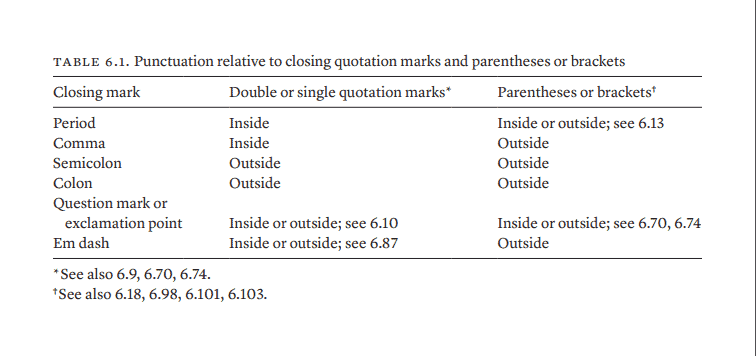
Source: Chicago Manual of Style
Our Take
What do you think? Have you mastered the difference between single and double quotation marks now? Are you looking for a grammar refresher course?
Are there any other punctuation marks that give you trouble? Or any that drive you crazy when you see people misuse them? Let us know in the comments below!
Above all, avoid using unnecessary quotation marks!
Your Turn
Want to improve your punctuation skills even more AND learn how to become a proofreader? Check out our free 7-day proofreading course to learn more!
I really like the little quizzes. They really make you think and better drive home the point.
Quite tasking, but helps to understand the intricacies of usage better.
Great article this really helped me understand the difference between single and double quotations!
Nice, simple and smooth
Double quotes are commonly used to enclose direct quotations, while single quotes are often used to indicate a quote within a quote.
Great, simple article for the use of quotation marks. I will stick with American English usage since that is where the majority of my readers are from. I used to get confused when I read British articles because of the differences. Now, I get it. Thank you!
Thanks for sharing this valuable information, author!
I can't express how grateful I am for the invaluable time and wisdom you've provided. Your influence over me is much appreciated.
I just looked at your website and found it very interesting and helpful. I'm looking forward to reading many of your posts
Or any that drive you crazy when you see people misuse them
Why not teach that single ( ‘ ) means quoting yourself but, want words to have specific meaning as expressed in a sentence?
Double ( “ ) means quoting someone else.
Most people in the comments seem as older adults ‘just now learning the difference. Well, better late than never.
Excuse me…I’m just being silly.🙂
Why not teach that a single quote ( ' ) is used to indicate quoting yourself or emphasizing words with specific meanings within a sentence, while double quotes ( " ) are used to quote someone else?
It's only now, after all these years, that single and double quotes are used correctly
Where did you discover these insightful facts? Your references must be amazing, and I hope for more content.
I really like the little quizzes.
Many people have a lot of fun with anything you can think of and write down. I'm one of those people who like what you write
I really like the little quizzes
Thank you.
Mastering punctuation can feel like navigating a maze!
This post is so insightful! I’ve learned so much from it. Thanks for sharing such valuable information!
Credit goes to the author for their diligent work! I truly value the endeavor put into documenting and archiving all this precious information!
This article clearly explains the nuances between single and double quotes, making it easy to understand the correct usage. The quizzes are a great way to reinforce the concepts!
Nice,This article clearly explains the nuances between single and double quotes, making it easy to understand the correct usage.
This is super helpful! I always get confused about single vs. double quotes, especially with British vs. American English. Good to have a clear guide like this. Bookmarking for future reference!
this is actually quite helpful!
Understanding the nuanced use of single and double quotes enhances writing clarity and tone, offering a valuable guide to punctuation for improved communication.
Is it that interesting? Worth a look.
Wow, this is super helpful! I always get confused about single vs. double quotes, especially with British English. Thanks for breaking it down so clearly! I'm gonna bookmark this page.
This is such a clear breakdown of quotation mark rules! I especially appreciate how you've contrasted American and British usage – it's incredibly helpful for those of us working with international clients. How would you handle nested quotes that go four levels deep? Would you alternate single and double marks indefinitely, or recommend restructuring at that point?
The scare quotes explanation is particularly useful – I've seen so many writers misuse these! For academic writing that frequently cites other sources, do you find it's better to use single or double quotes when emphasizing a term you're critiquing, or should italics always be preferred in those cases?
I just wanted to say how much I loved this wonderful article! It's so well written and full of interesting ideas – exactly the kind of thoughtful content I always enjoy reading.
As an impostor, you must take advantage of opportunities, deceive, and conceal the truth. As a crewmate, you must execute missions quickly and keep a close eye on everyone. The balance between the two roles makes each game thrilling. You’re not just playing a game – you’re living in the moment.
Navigating the single versus double quotation mark minefield can feel like managing orders at Papa's Pizzeria during peak hours! Remembering the Chicago Manual of Style helps. Single quotes often nest inside double quotes, like a topping within a pizza. Mastering this will save you from grammatical heartburn. Understanding the difference truly makes your writing tastier.
Wow, this is super helpful! I always get confused with single vs. double quotes, especially with British English. Definitely sharing this with my friends who struggle with grammar too! Thanks for clearing things up!
Nice, simple and smooth
This article provides a clear and practical explanation of when to use single versus double quotation marks, especially highlighting the differences between American and British English. Very helpful for writers and proofreaders alike!
"Great breakdown of single vs. double quotes – I always struggled with this! Just like proper punctuation enhances writing, seedance ai elevates video storytelling with its cinematic quality. Both show how attention to detail makes all the difference in clear communication. Excited to try your free video generator!"
Thanks so much! We’re glad the breakdown helped clarify things. You’re absolutely right—attention to detail is key in both writing and storytelling. Enjoy exploring the video generator!
"Great explanation about when to use single vs double quotes – punctuation details matter just like video quality! I bet seedance ai pays similar attention to detail when generating those cinematic multi-shot videos. The right tools (and punctuation) really make all the difference in professional results!"
Thanks for sharing such detailed instructions! I've learned a lot.
You’re very welcome! I’m glad to hear it was helpful.
thank you to helped me understand the difference between single and double quotations!
Great explanation of single vs double quotes – I always mix them up! Your article makes it so clear. This reminds me how useful youtube transcript is for getting accurate text from videos – punctuation matters there too when converting speech to written format. Really helpful content!
Thanks so much! We’re glad the article helped clarify things. Punctuation really does make a big difference, especially when turning speech into clear, accurate text.
A very vivid and clear explanation.
Thank you! We’re glad you found it clear and helpful.
I always get tripped up with single quotes inside double quotes, especially when I'm writing dialogue that includes a quoted word. Do you follow a different convention for nested quotes in British vs. American English? That's the part that still confuses me.
Yes, there is a difference between American and British English. In American English, double quotation marks are used for primary quotes and single quotation marks are used for quotes within quotes. In British English, it is typically the opposite.
Definitely tricky! I'm always second-guessing myself with single vs. double quotes, especially when nested. Eager to see the CMOS breakdown!
You’re not alone, nested quotes can be confusing! The CMOS breakdown should definitely help clarify things.
The 'rampant abuse' of quotes is so real! Glad you're diving into the specifics with Chicago Manual of Style – it's much needed.
Absolutely! Punctuation can easily be misused. Glad you found the CMOS deep dive helpful!
Count me in – proper quotation mark usage is absolutely as important to me! Looking forward to clarifying the differences.
Love to hear that! You’re in the right place. Clear, accurate punctuation makes all the difference.
Great breakdown of single vs. double quotes! I especially appreciate how you clarified the differences between American and British usage, which often confuses many writers. For anyone looking to deepen their understanding, the General Proofreading course mentioned here offers excellent guidance on mastering these punctuation nuances.
Great breakdown of quotation mark rules! I especially appreciate the clear examples illustrating the American vs. British differences, which often confuse even experienced writers. For anyone struggling, revisiting the Chicago Manual of Style guidelines, like in your General Proofreading course, really helps solidify correct usage.
Great breakdown of single vs. double quotes! I especially appreciate the clear examples showing differences between American and British English usage, which often confuse writers. For anyone looking to sharpen their editing skills, the General Proofreading course mentioned here is a fantastic resource.
This article really clarifies the confusion around quotation marks. I especially appreciated the clear distinction between American and British English usage, which can be tricky for freelancers working with international clients. For anyone wanting to deepen their understanding, the General Proofreading course mentioned here is a fantastic way to master these punctuation nuances.
Glad you found the article helpful! Understanding regional differences is key for international proofreading work, and the course is a great next step for building those skills.
Great breakdown of single vs. double quotes! I especially appreciated the clear examples showing how British and American English differ, which can be confusing for many. Your mention of the Chicago Manual of Style rules is a helpful anchor text for anyone wanting to dive deeper into punctuation nuances.
You explain things so well! This was a great read and super helpful. Looking forward to more content like this.
Thank you! We’re so glad you found it helpful. More helpful content is on the way!
You explain things really clearly! This was an excellent read and incredibly useful. Can’t wait to see more content like this.
Single quotes for quotes within quotes in American English, double for dialogue and titles—CMOS makes it clear, but British rules flip it!
Man, this post is way too long for a topic that should just be clear-cut. Just remember, double for dialogue and single for quotes within quotes—boom, done. No need for a whole thesis here.
Thank you for your perspective. We aim to provide thorough explanations for those who appreciate extra context, while keeping key rules clear and simple.
coool…. nice
Your post on such an interesting subject has left me speechless. I regularly check out your blogs and stay current by reading the material that you offer; nevertheless, the blog that you have posted today is the one that I appreciate the most.
This article sounds incredibly useful! I often find myself second-guessing whether to use single or double quotes, so an explanation to clear up that common punctuation mistake is exactly what I need. Looking forward to learning the definitive difference and improving my writing!
Thank you for your feedback. We’re glad this explanation will be helpful for clarifying quotes and strengthening your writing.
Hey, this is super helpful! I often get tripped up on when to use single versus double quotes, so clarifying that common punctuation mistake is really valuable. I appreciate you breaking down the differences so clearly. Definitely bookmarking this!
This is such a helpful topic! I always get a bit confused about single vs. double quotes, so I'm really looking forward to understanding the difference. Avoiding a common punctuation mistake sounds great. Thanks for tackling this!
I’m glad you found it helpful. Understanding when to use single or double quotes can definitely clear up a lot of confusion, and it’s great that you’re taking the time to learn it. Happy to help make punctuation a little easier. 🙂
This explanation is really helpful! I always get mixed up about when to use single versus double quotes, so having a clear guide like this makes writing so much easier and more precise.
This guide on single vs double quotes is incredibly clear and helpful! It breaks down usage rules simply, making it easy for writers, editors, and learners to avoid confusion.
A must-read for anyone mastering punctuation! The practical examples and straightforward explanations clarify single/double quote differences perfectly—super valuable for writing.
Thanks for explaining the difference between single and double quotes! I always get confused about when to use each one, so this article was really helpful in clearing that up.
Thanks for explaining the difference between single and double quotes! I always get confused about when to use each, so this article is super helpful for avoiding those punctuation mistakes.
Thanks for this helpful explanation! I always get confused about when to use single or double quotes, so your tips on avoiding common punctuation mistakes are really useful.
Oh, the Chicago Manual of Style really takes me for a spin! So, single quotes are for when there’s a quote within a quote in American English. And did you know the Brits call them inverted commas? Makes me chuckle every time! Ever caught yourself puzzled over this while reading on the subway?
Thanks for sharing! The differences between American and British punctuation can definitely be tricky, but it’s great to see you enjoying the learning process. 🙂
Thanks for this helpful explanation! I always get confused about when to use single or double quotes, so your tips on avoiding common mistakes are really useful. Great post!
This article is a total lifesaver for anyone confused about single and double quotes! It breaks down the Chicago Manual of Style rules clearly, with handy examples for both American and British English usage—like how to handle nested quotes and punctuation placement. No more second-guessing whether to use ‘ ’ or “ ” in dialogue or titles. Super practical, easy to follow, and a must-bookmark for writers and proofreaders!
Thank you for your feedback! We’re glad the article clarified quote usage and provided practical, easy-to-follow guidance for writers and proofreaders.
This was such a clear and helpful explanation—thank you! I’ve always been a little unsure about when to use single vs. double quotes, and your examples made it really easy to understand.
Thanks for sharing this valuable information!
Thanks for this helpful guide on single vs. double quotes! I always get confused about when to use each one, so your explanation is super useful for avoiding mistakes in my writing.
I never knew British people call quotation marks 'inverted commas,' that's quite interesting! Navigating through when to use single vs. double can truly feel like a puzzle, especially with different rules for Brits and Americans. Reading this on my morning commute, it made me think how I often overlook such details.
Thank you for your comment! We’re glad the article highlighted those differences and encouraged a closer look at quotation mark usage.
Thank you so much for sharing with us
This was such a clear and helpful explanation!!!
I've learned something new. Thank you.
Thanks for this helpful explanation! I always get confused about when to use single or double quotes, so your tips on avoiding common mistakes are really useful.
Thank you for your comment! We’re glad the tips helped clarify when to use single and double quotes. 🙂
The examples are easy to follow. I will remember these rules. Thank you for sharing!
This was really clear and helpful — thank you! I always get tripped up on when to use single vs. double quotes, especially in dialogue and nested punctuation. The examples you provided made the differences easy to understand. I’ll definitely be referencing this next time I’m proofreading! 😊
Thank you for your feedback! We’re glad the examples helped clarify quote usage and will be useful in your proofreading work.
Thanks for this helpful guide on single vs. double quotes! I always get confused about when to use each one, so your explanation is super useful for avoiding mistakes.
Thanks for this clear explanation! I always mix up single and double quotes, so it's helpful to know when to use each one. This will definitely help me avoid those punctuation mistakes in my writing.
Thank you for your comment! We’re glad the explanation helped clarify quote usage and will support more accurate writing. 🙂
Thanks for sharing such practical insights.
Thanks for this clear explanation! I always mix up single and double quotes, so it's helpful to know when to use each one. This will definitely help me avoid those punctuation mistakes in my writing.
Thank you for your feedback! We’re glad the explanation clarified quote usage and will help you avoid punctuation mistakes in your writing. 🙂
This was super helpful! I never realized how often I mix up single and double quotes in my writing. Your point about them being "style preference" in some cases but "grammatical necessity" in others really clarified things!
Thanks for your comment! We’re glad it helped clarify when quotes are a matter of style and when they’re a grammatical necessity. 🙂
The explanation of 'quotation marks as scare quotes' was particularly insightful! How do you decide when to use 'scare quotes' in your own writing, especially given the advice to avoid overuse?
This article provides a clear explanation of when to use single versus double quotes, including the interesting fact that British people refer to quotation marks as 'inverted commas'. How do you handle the placement of 'quotation marks in relation to other closing punctuation' in your own writing?
Thanks for this helpful explanation! I always get confused about when to use single or double quotes, so your tips on avoiding common punctuation mistakes are really useful. Great post!
Thanks for this helpful explanation! I really like this post!
Really appreciate the clear explanation! I’m always unsure about how to use quotes correctly, so your tips on avoiding those common errors were super helpful. Excellent post!
very helpful post, i like it.
I can't express how grateful I am for the invaluable time and wisdom you've provided. Your influence over me is much appreciated.
Thanks for clearing the air about this topic. Many times I got confused about what to use. This guide is on spot.
This is such a clear explanation of the differences between American and British punctuation styles — especially the rules for commas and periods inside quotation marks. It’s interesting how something so small can cause so much confusion!
Thank you! We’re glad you found the explanation clear. Those small punctuation differences can definitely be tricky, but noticing them makes a big difference. 🙂
This is such a good explanation of the difference. I agree
This breakdown of AmE vs. BrE quote rules is super helpful! I always get mixed up with direct speech and when to use single vs. double, especially for titles. Good to know the standard for each.
This really helped clear up the American vs. British English rules! It's easy to mix up which one uses single vs. double quotes for direct speech and then for quotes within quotes. Consistency is definitely the golden rule here.
I’m glad this helped clear up the American vs. British English rules! You’re right, staying consistent with quotes makes all the difference. 🙂
Finally, a clear breakdown! The US vs. UK difference for direct speech and nested quotes is crucial. And the reminder about punctuation placement really helps avoid common mistakes.
Thank you! We’re glad the breakdown was helpful and that the distinctions around quotes and punctuation stood out. Those small details really do make a big difference. 🙂
Much appreciated.
Thank you for another addition to this learning discussion. Keep it up.
I liked the comparison between American and British quote usage. I'll double-check my next edit for those rare single quotes in dialogue.
Thank you for your comment. We’re glad the comparison between American and British quote usage was helpful. It’s great to hear you’ll be keeping an eye out for those details in your edits. 🙂
I completely agree that the interactive quizzes make technical concepts much easier to digest. It’s a great way to reinforce the rules around quote usage, especially when you're switching between different programming languages.
It sounds great
thanks share
Thanks for explaining the difference between single and double quotes! I always wondered when to use each, and your article made it so clear. No more punctuation mistakes for me!
Honestly, I used to just pick whichever quote style looked nicer that day. After reading this, I realize my inconsistency was probably driving my teammates a bit crazy. The clarity on string interpolation and escaping is super helpful for keeping things clean.
Thank you for your comment! We’re glad the explanation helped clarify quote usage and string handling. Consistency really does make a big difference, and it’s great to hear this will help with your teamwork. 🙂
Great post.
Wow, so British people actually call quotation marks inverted commas. And who knew there could be a quotation within a quotation within another quotation, like a puzzle!
Thanks for sharing.
I enjoy the short quizzes; they provoke thought and effectively reinforce the key points.
The detail about how British people call quotation marks inverted commas caught my eye. It's interesting how something as simple as quotation marks can vary between American and British English. On my morning commute, I can't help but wonder why we don't just stick to one style. Isn't it fascinating how language evolves!
Great breakdown of the single vs. double quotes dilemma! The key takeaway about the American vs. British English distinction is crucial and often overlooked. As a proofreader, I always double-check the style guide first, but this is a perfect starting point for anyone trying to get it right.
The CMOS rules on single and double quotes are a bit of a maze. I was surprised to learn how British and American English differ in their usage, especially in dialogue. While sipping coffee, I pondered if it's really worth all the fuss, or if we could just simplify it a bit, huh?
Thank you for your comment. Yes, British and American English do differ, especially in dialogue punctuation. The conventions can feel detailed, but they help maintain consistency and clarity in writing. 🙂
The part about designing for "graceful failure" really hit home for me. In my own work, I've seen how systems that just stop can create so much frustration, whereas a thoughtful error path can actually build user trust. It's a subtle but incredibly powerful design principle.
Great breakdown! One tip I'd add is that if you're frequently writing strings containing apostrophes (like contractions), defaulting to double quotes can save you from a lot of escaping headaches. It's a small habit that really cleans up the code visually.
Thank you! That’s a great tip, using double quotes can definitely help keep things cleaner when working with contractions. 🙂
Thank you for sharing this practical knowledge. To be honest, I do sometimes mix up those two types of marks.
I completely get the confusion about single vs. double quotes, especially with the British English variations! I always struggle to remember if newspapers are an exception or not, even though I mostly write for American audiences.
This really clarified the distinction for me, especially the part about using double quotes for user-facing strings. I tend to default to single quotes out of habit, but I’ll be more intentional about that from now on. It’s a small change, but it makes the code’s purpose clearer.
Thank you! We’re glad it helped clarify things. Being intentional with quote usage really does improve clarity and readability. 🙂
Thanks for this clear breakdown! The way you explained the American vs. British convention side by side is really helpful. I also appreciate the tip about rewriting instead of nesting three levels of quotes. CMOS for the win 🙂
Thanks for sharing this great information but i always prefer a single quote for any information.
This post on Single Quotes vs. Double Quotes: When Should You Use Them? is a great resource. I particularly appreciated how you handled before — it's a nuanced area and you covered it with the right level of depth. Appreciated!
Helpful guide on Single Quotes vs. Double Quotes — the approach you've outlined makes the whole process much clearer.
A really clear and practical guide to one of those grammar questions that trips up even experienced writers — the distinction between American and British convention especially trips people up in international publishing contexts. The examples with dialogue versus nested quotations are particularly useful. Sharing this with my editing team as a style reference.
Thank you so much! I’m glad you found the guide clear and practical. It’s great to hear the examples were helpful, and I truly appreciate you sharing it with your editing team. 🙂
It's interesting how the article points out that Chicago Manual of Style is the basis for their General Proofreading course. It makes a lot of sense to specialize in one style guide, rather than try to cover all the variations, especially with the British vs. American English differences.
Thank you for your thoughtful comment! You’re absolutely right that focusing on one style guide can help create a stronger foundation, especially when navigating the differences between British and American English. 🙂
It's genuinely helpful to see the distinction between US and British English on quotation marks. The example of newspapers in British English still using double quotes for quotations is a great specific detail that clarifies things quite a bit, making it easier to navigate. Very clear and well-explained.
I appreciate the detailed breakdown on differentiating between single and double quotes. It's often a point of confusion, especially when dealing with quoted material within a quote, so a clear guide like this is really helpful for maintaining consistency in writing. The article makes a strong case for adhering to specific style guides.
This is a clear, user-friendly, and engaging guide to a notoriously tricky punctuation issue. The blog post successfully breaks down the nuances of single versus double quotation marks without getting bogged down in overly dense academic jargon.
It's interesting how British English handles quotes within quotes, essentially flipping the American convention. That's a detail that can really trip you up if you're not paying close attention to your audience's dialect. I once had a client who insisted on British punctuation, and that rule took some getting used to.
Thank you for sharing your experience. You’re absolutely right, those differences between British and American quotation styles can easily trip people up, especially when switching between audiences or client preferences.
Each topic is presented with excellent clarity and transparency, making the information easy to grasp. The content is insightful and highly valuable, offering practical knowledge that genuinely benefits readers. Your website stands out as a reliable resource for anyone looking to gain a deeper understanding of the subject. I truly appreciate the effort and thoughtfulness reflected throughout the work. It is not only informative but also engaging, well-structured, and very user-friendly, making the overall experience enjoyable and worthwhile.
First of all, I would like to congratulate you for such a fantastic content. It is an amazing experience to get through it. I was not aware of some of the facts you have highlighted in your blog. Now I am confident for the details which you made clear in your blog.
I would love to read more on it. At this time, I am going to subscribe to your blog to get more useful articles like this.
Thanks!
Thank you so much for your kind words and support! We’re delighted to hear that you found the article helpful and informative. We appreciate your subscription and look forward to sharing more valuable content with you in the future. Happy reading! 🙂
Thank you, this is very helpful.
I've always defaulted to double quotes for dialogue in fiction writing, but this article made me reconsider how inconsistent I’ve been when mixing quotes with punctuation. Do you think the choice matters more in technical writing than in creative work, or is it just a matter of style guides?
Thank you for your comment! Consistency is usually the most important factor. In technical and professional writing, following the appropriate style guide is often essential, while creative writing tends to allow a bit more flexibility. Regardless of the type of writing, sticking to a consistent approach throughout the document helps create a polished and professional result. 🙂
Great breakdown of the differences! I've always defaulted to double quotes for dialogue in my fiction writing, but I didn't realize single quotes were so common in UK English. Do you think it matters much which one you use in informal writing, like emails or social media posts?
Thanks for your comment! In informal writing, consistency is usually more important than whether you choose single or double quotation marks. For emails and social media posts, either style can work, but it’s best to follow the conventions of your audience and region. Formal and professional writing, however, should always follow the appropriate style guide.
The part about nested quotes getting into triple layers made me laugh — I've definitely been in that situation where you're just like "okay, let me rewrite this sentence instead." Way cleaner than trying to track which marks go where.
Understanding when to use single vs. double quotation marks can make writing much clearer, especially when following the Chicago Manual of Style.
Quite a good and helpful post of the difference between the single-quotes and dobule-quotes.
Thanks so much!
This article sounds super helpful! I always get confused about single versus double quotes, so an explanation of the difference to avoid common punctuation mistakes is exactly what I need. Looking forward to finally clearing up this tricky grammar point and knowing when to use each!
Understanding when to use single vs. double quotation marks can make writing much clearer, especially when following the Chicago Manual of Style.
It's interesting how British English handles quotes within quotes, essentially flipping the American convention. That's a detail that can really trip you up if you're not paying close attention to your audience's dialect. I once had a client who insisted on British punctuation, and that rule took some getting used to.
Thank you for making this topic so approachable. The simple explanations and practical insights make this article a valuable resource.
It's only now, after all these years, that single and double quotes are used correctly
I enjoyed reading this article because the points are explained clearly.
A clear and useful comparison of single and double quotes!
very helpful post, i like it.
Thanks for sharing this valuable information, author!
This was a valuable read. The tips and explanations provide a lot of useful knowledge.
Great article on single vs. double quotes — I always appreciate when grammar topics are broken down so clearly. It's one of those small details that can trip people up, and this guide makes it easy to understand when to use each. I'll definitely be bookmarking this for future reference.