If you’ve ever caught a typo in a news article or corrected someone’s grammar mid-text, you might already have the instincts needed for transcript proofreading — a specialized niche in court reporting.
There’s a growing demand for transcript proofreaders, driven by increased remote legal work and a renewed focus on court transcription accuracy. So, whether you’re already freelancing or just beginning to explore online income streams, transcript proofreading could be a great (and lucrative) option.
However, like with any professional service, training is essential. Getting ahead is tough without a comprehensive understanding of the industry and its expectations, which is why we’ve created this article. Here’s everything you need to know about transcript proofreading to get started in the industry.
What Is Transcript Proofreading?
Transcript proofreading is not the same as casually catching typos in your friend’s Instagram caption. This is next-level stuff. You’re reviewing legal transcripts (word-for-word records of spoken witness testimony, usually created by court reporters) and ensuring they’re clean, consistent, and courtroom-ready.
That means hunting down grammar slip-ups, fixing punctuation errors, and ensuring formatting doesn’t go rogue.
Why does this even matter, though? These transcripts often end up in the hands of attorneys, judges, and other legal professionals. The court system does not accept mistakes, and people in the court reporting profession don’t have the time to triple-check their transcripts between hearings.
Unlike general proofreading (think blogs, social posts, or your cousin’s resume), proofreading court reports is way more technical. You’re not just correcting “their” vs “there.”
You’re checking if that abrupt pause in a deposition is properly punctuated or if the speaker tag is correctly formatted three pages deep into a medical malpractice trial.

You come in right after the court reporter finishes the transcript. You swoop in, make it spotless, and hand it off for legal review. It’s a behind-the-scenes role, but one with a big impact. Think of yourself as the silent partner in justice, quietly making sure every comma is in its rightful place.
Do You Need a Course to Become a Transcript Proofreader?
One hundred percent yes. With transcript proofreading, you can’t just download a grammar app and call it a day. These documents are packed with legal terminology, strict formatting rules, and zero room for error.
On top of that, most clients need those proofreading transcripts back quickly. If you don’t know how to proofread transcripts fast while maintaining the text quality, you’ll fall behind quickly. That’s where formal training, like a transcript proofreading course, comes in clutch.
A solid proofreading course, like the Proofread Anywhere’s Transcript Proofreading Course, doesn’t just teach you basic proofreading rules. It shows you the why and the how behind every convention. Without it, you risk missing critical errors or (even worse) inserting your own.
Avoiding errors in this context isn’t just about saving face. We’re talking about avoiding mistakes that could ripple into real-life legal proceedings. So, if you’re thinking about becoming a court transcript proofreader, don’t skip the education.
Next, let’s learn a bit more about transcript proofreading and what you’ll learn with a full course.
Master the Grammar and Punctuation Rules Specific to Legal Documents
Let’s be honest—punctuation in legal transcripts isn’t exactly intuitive. This isn’t about fixing casual blog posts or text messages. We’re talking verbatim witness testimony, legal jargon, and statements where one rogue comma could completely change the meaning of a sentence (seriously, ask any lawyer).
That’s why a good transcript proofreading course doesn’t just remind you where semicolons go—it teaches you the exact grammar and punctuation rules that apply to court transcript proofreading.
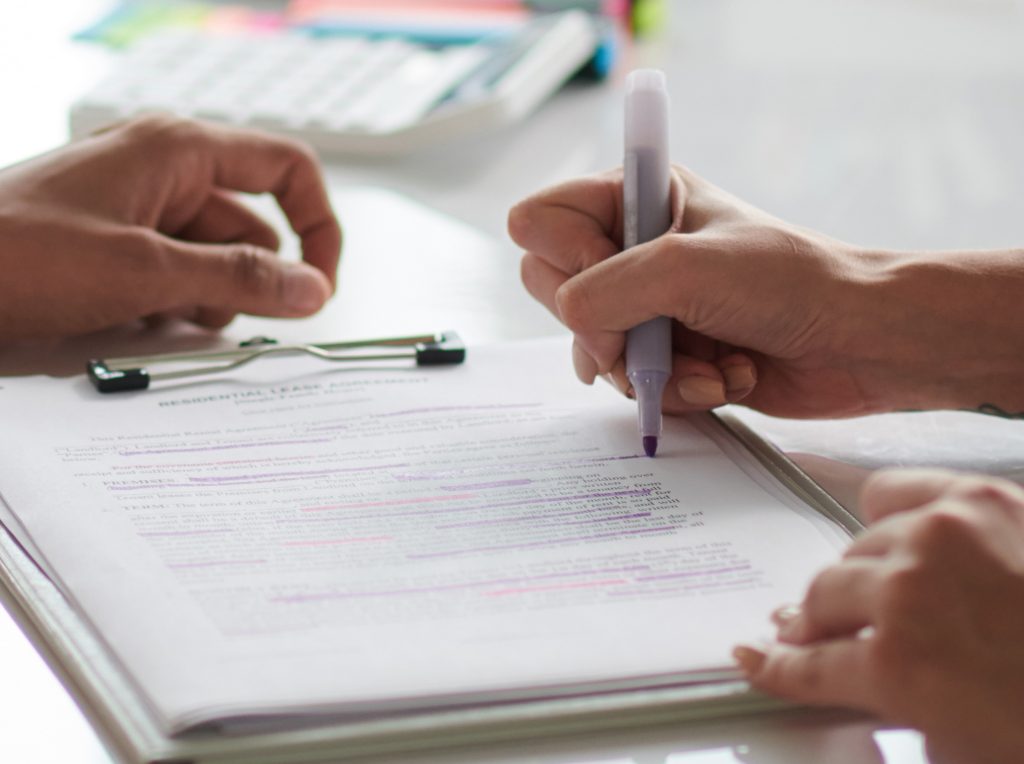
You’ll get crystal clear on what to change, what to leave, and why all of it matters when your work might end up in a courtroom.
Learn Legal Formatting Conventions That Clients Expect
You know what court reporters love? A legal transcript proofreader who understands formatting. Being a professional proofreader isn’t just about clean sentences. It’s about following very specific formatting rules down to the margins, speaker labels, and when to use parentheses versus brackets.
Courses like Transcript Proofreading: Theory and Practice™ don’t leave you guessing. You’ll learn the standard structure that legal experts expect, so when you deliver that final proofed document, it looks every bit as polished as it reads — courtroom-ready, minus the robe.
Build Fluency in Legal Terminology
“Voir dire”? “Ex parte”? “Nolo contendere”? Those aren’t spells from Harry Potter. They’re real legal terms you’ll run into constantly as a legal transcript proofreader.
The problem? You might miss mistakes or misread entire sections if you don’t know what they mean. That’s where formal training saves the day.
A legit transcript proofreading curriculum will break down these terms, show you how they’re used in context, and teach you how to proofread them confidently, without having to Google every third word.
Develop Style Consistency Across Complex Documents
Here’s a fun challenge: keep your punctuation, formatting, abbreviations, and terminology completely consistent across a 180-page trial transcript. Not so easy, right?
That’s what separates a good court transcript proofreader from a great one. Clients aren’t just looking for error correction. They’re also looking for consistency.
The right court transcript proofreading program will teach you how to stay sharp from page one to page one hundred and one, even when your brain’s halfway to snack time. This attention to detail will ensure you get hired again and again.
Signal Professionalism to Clients and Agencies
Let’s say you’re pitching your services to a court reporter. Who do you think they’ll hire: someone who’s “really into grammar” or someone who’s completed a full-blown transcript proofreading program, passed a final exam, and knows the legal lingo inside and out?

Formal training tells clients, “I take this seriously. You can trust me with your transcripts.” That trust is the difference between chasing low-paying gigs forever and being a legal professional’s go-to proofreader for legal documents.
What to Look For in a Transcript Proofreading Syllabus
Not every proofreading course will prep you for the legal big leagues. If you’re thinking of diving into transcript proofreading, you’ll want a course that teaches more than just how to fix typos. You’ll want one that prepares you for the real-world expectations of court reporters and legal officials.
So, before you invest your time (and money), here’s what a real job-ready transcript proofreading program should offer:
Court Transcript-Specific Content
A general proofreading course will help you polish blog posts or sales emails, but legal transcripts? That’s a whole different ball game. You’re dealing with deposition dialogue, courtroom exchanges, and word-for-word documentation. Every line matters, and there are dozens of rules to follow.
A solid course will train you specifically on court transcript proofreading. Think of it like going from casual backyard soccer to the World Cup of commas.
Grammar and Punctuation Refreshers
You might be confident in your English skills, but proofreading court transcripts requires more than general fluency. We’re talking nuanced punctuation rules, long-winded legal sentences, and formatting that would make your high school English language teacher sweat.
You’ll need a fine-tuned grasp of grammar and punctuation rules, particularly as they apply to legal documentation.
A proper course won’t just remind you of semicolon rules. It will show you how these rules apply in official proceedings, how to handle tricky spoken word dialogue, and how to catch the sneaky errors that trip up even professional proofreaders.
Real Transcript Practice
Until you’ve stared down a 50-page transcript with multiple speakers, messy formatting, and legal jargon flying everywhere, you haven’t really felt the job. A strong transcript proofreading syllabus should include real-world transcripts for you to mark up, ranging from short depositions to extended trial proceedings.

Great courses give you real documents to work with. From short depositions to full-blown trial records, this practice helps you get used to the flow and format so you can confidently say, “Yeah, I’ve done this before,” when a client hands you 100 pages of raw court dialogue.
Legal Formatting Training
One of the most overlooked elements in transcript proofreading is formatting. Legal documents have rules and lots of them. Formatting is a hill many proofreaders have silently died on. Speaker tags, spacing, parentheticals, timestamps — you’ll need to get them right every single time.
The ideal proofreading course will teach you how to keep the formatting spotless while also correcting errors. From years in the industry, trust us when we say even one misplaced indent in a legal transcript can quickly make a bad impression.
PDF Annotation Tool Training (e.g., iAnnotate)
You’ll be working with PDFs a lot. And no, printing transcripts and red-penning them isn’t a thing anymore.
Most transcript proofreaders use programs like iAnnotate, which now come with additional AI tools, to mark up transcripts much faster. These tools let you highlight, underline, or comment directly on PDF files, making it easier for court reporters to review and implement your changes.
Any course worth its price tag will teach you why these tools matter and how to use them like a pro, all without a tech meltdown. Even if you’re not super techy, step-by-step guidance makes it doable.
Access to a Student Community or Mentorship
Proofreading can be a solo sport, but that doesn’t mean you have to go at it alone. The best courses plug you into a student community or alumni group where you can get answers, feedback, and sometimes even client referrals.

Need someone to look at a tricky transcript? Or need a pep talk mid-course? That’s what private Facebook groups and online communities are for — they make a huge difference when launching your freelance proofreading journey.
Certification or Proof of Completion
Once you finish your training, you’ll want something to show for it, especially when you’re pitching to court reporters or agencies. A certificate of completion or course-issued credential can help build trust with potential clients.
Better yet, you’ll want programs like Proofread Anywhere’s Transcript Proofreading: Theory and Practice™ course, which offers a final exam and access to our Hire a Proofreader job board. This job board puts you in front of legal professionals actively looking for qualified proofreaders. It’s like LinkedIn for proofreaders, minus the spammy connection requests.
If you’re serious about building a proofreading business, choosing a course with all these features isn’t optional but essential.
Best Transcript Proofreading Programs
So you’ve got the red pen ready (or your PDF annotation tool), and you’re set to take the plunge into transcript proofreading. But which course will give you the skills, support, and street cred you need?
The truth is, not all courses are created equal. Some barely scratch the surface. Others send you off into the proofreading wild with no practice, no feedback, and no clue what a court reporter even wants.
Let’s break down the standout option and how to evaluate the rest if you’re still window-shopping.
Top-Rated Course: Proofread Anywhere’s Transcript Proofreading: Theory and Practice™
Proofread Anywhere’s Transcript Proofreading: Theory and Practice™ course remains one of the best proofreading programs out there.
Created by a professional who built a thriving proofreading business from scratch, this course has become the gold standard for freelancers specializing in court transcript proofreading. It’s not fluff. It’s not filler.

It’s the real deal — a step-by-step training program that has helped thousands of prospective students launch their own businesses.
Here’s why it continues to be the most trusted option for thousands of aspiring freelance proofreaders:
Comprehensive, Step-by-Step Training
This isn’t one of those courses that hands you a 200-page PDF and says, “Good luck!”
Each lesson builds on the last, starting with punctuation and grammatical errors (yes, even if you think you’ve nailed it). The lessons then move into legal formatting, terminology, real-client scenarios, and ultimately (you guessed it) job readiness.
By the time you finish, you won’t just know what to fix — You’ll know why, how, and when to say nope. That’s not a proofreading issue; it’s a scoping problem.
Hands-On Practice With Real Transcripts
Theory is great, but clients won’t hand you multiple-choice quizzes. They’ll send you actual transcripts — sometimes messy, always important. This course includes real-world documents to sharpen your eye, boost your speed, and get a feel for the flow of real legal transcripts.
It’s kind of like going from practicing with flashcards to performing live. Learning by doing has always been a quicker and more effective way to learn a new thing.
Student Support and Mentorship
This course doesn’t leave you stranded. You get access to a student community filled with people who understand — whether you’re stuck on a formatting rule, freaking out about your first client, or wondering what “colloquy” means.
You also get guidance from people who’ve been there — proofreaders who’ve built successful freelance careers and are happy to share the roadmap.
Industry Recognition and Credibility
When it comes to proofreading court transcripts, reputation matters. Proofread Anywhere is well-known in the proofreading industry, especially among court reporters looking for skilled, reliable help.
Graduating from this program (and passing the final exam) signals to potential clients: “Hey, I’m trained, tested, and ready to roll.” It’s a serious trust builder that can lead to long-term, well-paying work.
Graduate Outcomes and Client Access
Here’s the cherry on top: once you complete the online courses and ace the exam, you have access to our Hire a Proofreader job board. This job board is where court reporters go to find proofreaders.

So instead of cold-pitching people on LinkedIn or hoping someone finds your website, you’re placed right where the hiring happens. It’s like being dropped into a room full of ideal clients who are actively looking for you.
Want to check it out? Explore the course here or sign up for the free workshop to get a feel for how it all works.
Other Options: What to Look For
While Proofread Anywhere remains the top choice, other proofreading courses exist. But most of them are built for generalists, not those who want to specialize in proofreading court transcripts.
Very few focus on the legal space. Most proofreading courses, even top-tier ones like Proofread Anywhere’s general proofreading course, don’t touch on court transcripts, legal formatting, or how to collaborate with court reporters.
However, if you are evaluating alternatives, keep these points in mind to make sure you only get the best possible schooling.
Depth and Specificity of the Course Materials
You’re not just editing for style here. You’re proofing transcripts that might end up in court. So make sure you ask: Does the course cover legal formatting? Terminology? How to handle verbatim testimony? If not, you’re not getting the full picture, and that’s a problem. Accuracy and specialization in this field are non-negotiable.
Amount of Real Transcript Practice
It’s one thing to read about proofreading. It’s another to do it on a real 60-page deposition. If a course doesn’t give you that practice, you’re more likely to be out of your depth when it comes time to do the job.
Your ideal course gives you experience that mirrors the real world, so you’re not frozen when your first real client sends over a monster transcript with zero margin formatting.

Mentorship, Support, and Career Guidance
Freelancing can feel isolating. Especially when you’re staring down your first legal transcript and thinking, “Is that formatting off or am I just tired?”
A supportive environment with an experienced proofreader can come in handy here. Courses that offer community access or mentorship allow students to ask questions, receive feedback, and build connections that often lead to referrals or long-term support.
Choose a Course That Goes Beyond Theory
Ultimately, your goal is to become a confident, accurate, and in-demand legal transcript proofreader. That means choosing a course that will help you market your new skills, showcase your credentials, and connect with potential clients.
That’s the difference between a course that teaches and one that transforms your career. The Transcript Proofreading: Theory and Practice™ course was built with exactly that mission in mind.
What Can You Get After Taking a Transcript Proofreading Course?
So you’ve wrapped up a solid transcript proofreading program, wondering, “Now what?” The good news is you’ve just added a highly marketable, remote-friendly skill to your toolkit.
Whether you’re looking for a flexible side hustle or ready to ditch the 9-to-5 altogether, there are plenty of ways to turn your training into income. Here’s where the real-world opportunities show up and how they can work for your lifestyle, not the other way around:
Freelance Opportunities With Court Reporters and Legal Agencies
If you’re after fast, flexible work, start where most proofreaders start: working directly with court reporters.
These folks are on tight deadlines and need trusted proofreaders to polish their transcripts before handing them off to attorneys and judges. You’ll usually work on a per-page basis, with deadlines that keep you sharp and pay that scales with your accuracy and speed.

The work is remote, and once a court reporter finds someone they trust (that could be you!), they’ll often stick with them. That means recurring work, a steady income stream, and a client who sends you files instead of emails filled with “circle back” jargon.
You might also find clients through transcription companies or legal support agencies that are outsourcing proofreading. Either way, you’re getting paid for polished transcripts, not punching a clock.
Building Your Own Transcript Proofreading Business
Want to level up from freelancer to successful business owner? Many graduates do just that, turning their training into a full-blown transcript proofreading business.
That means setting your own schedule, picking your own clients, and calling the shots on how much you work (and how much you charge). You’ll pitch your services, handle client communication, send invoices, and slowly build a rep as the go-to proofreader that legal professionals rely on.
With a course like Transcript Proofreading: Theory and Practice™, you won’t just learn how to proofread court transcripts. You’ll also get the tools to:
- Communicate like a pro with attorneys and legal professionals
- Navigate different types of legal proceedings, document styles, and proofreading work
- Build a portfolio and attract clients who respect your work
- Lifetime access to the course materials
- Optional resources and other helpful information to help you launch and market your services
Once you’re rolling, you can scale by outsourcing overflow or branching into related services like scoping or editing.
Long-Term Growth Potential and Career Expansion
Once you’ve got some experience and a few great client relationships, your career options start to open up.

Many legal transcript proofreaders eventually expand into higher-paying, more specialized roles that still build on the same foundation, including:
- Scoping: Scoping is what happens before a transcript hits your proofreading desk. You’re cleaning up rough transcripts using stenographic software, smoothing out formatting, and fixing obvious errors before a proofreader adds the polish. It takes more training, but the pay bump is real.
- Legal Editing: Legal editing could be your area if you’re into deeper editing and working on documents like briefs or summaries. This role involves more rewording and restructuring, especially in materials that lawyers submit directly to the court. It comes with more responsibility, but also a higher pay ceiling.
- Specialization in High-Stakes Transcripts: These freelance positions are tougher and require more familiarity with the subject matter and terminology, but they also bring in premium rates. You’re the person clients call when accuracy is non-negotiable.
FAQ: Choosing a Transcript Proofreading Program
Still weighing your options? That’s totally normal. If you’re new to transcript proofreading, you probably have a few “but what about…” questions swirling around in your head. So, let’s answer some of the most common questions we hear from our proofreaders:
How long does a transcript proofreading program take?
Most self-paced courses (including our Transcript Proofreading Course) take about two to four months to complete. That said, if you’ve already got a good handle on the proofreading skills you need or have worked with terminology before, you might finish sooner.
You don’t need to study full time, either. Just a few consistent hours a week can move you from curious beginner to freelance-ready. This isn’t a race but about building confidence in your skills.
Can I take a course while working full-time?
Absolutely! In fact, based on our research, most proofreading students do just that. Whether you’ve got a full-time job, a family to juggle, or just a busy life, transcript proofreading is one of those rare career paths that play nicely with real-world schedules.

You can log in to your online class anytime, study at your own pace, and pick up where you left off with your class materials without missing a beat. Most students choose this field specifically because it pairs so well with a freelance lifestyle and makes for a smart, low-stress career pivot.
Is transcript proofreading in demand?
Yes, and the demand for transcript proofreaders is only growing. With more legal work going digital and court reporters handling higher volumes of transcripts, the need for skilled, reliable court transcript proofreaders has never been stronger.
The catch, however, is that court reporters want to work with trained, professional proofreaders, not grammar enthusiasts who decided to wing it. A strong, comprehensive training program is your ticket to standing out in this rapidly growing industry.
Will I get a job immediately after taking a course?
No course can promise you’ll be hired the second you graduate—but a great one sets you up to succeed.
Take our Transcript Proofreading: Theory and Practice™ and General Proofreading Course, for example. You’ll get a solid education, plenty of real-world practice, a final exam to validate your skills, and a listing in our Hire a Proofreader job board, where legal experts look for fresh proofreading talent.
From there, it’s about applying what you’ve learned, marketing yourself smartly, and showing up confidently. The work’s out there, and this course gives you the map (and the keys) to get there.
Can I do this part-time, or do I need to go all-in?
You can 100% start as a part-time proofreader. That’s how a lot of people break into the field—balancing a couple of transcripts a week while keeping their day job or other commitments going strong.
The beauty of transcript proofreading is that you set the pace. Whether you’re looking for a side hustle or aiming to build a full-fledged business, this career can flex around your life. You don’t need to dive headfirst into full-time freelancing. Just start slow, get some content proofread, and build momentum as you go. Many good proofreaders began exactly the same way.
Has artificial intelligence made proofreading obsolete?
No, artificial intelligence hasn’t made human proofreaders obsolete. AI tools still struggle with legal formatting and speaker context nuances, so good proofreaders who know their stuff are more valuable than ever.

What if I have questions while I’m taking the course?
You’re not on your own. You won’t be left asking marketing questions or “Where do I upload this file directly?” into the void.
One of the big perks of Proofread Anywhere is the built-in community and support. You’ll get individualized attention from instructors when needed, plus access to a Facebook group to connect with other students, general proofreaders, and grads who’ve been where you are.
Whether you’re stuck on formatting, want to answer questions about legal style guides, or just need help navigating email etiquette with a client, someone in the community has your back.
Conclusion
Starting a proofreading business or a freelance proofreader side hustle takes a little grit. But the good news? You don’t have to wait years to see results. Plenty of our grads who discovered proofreading started picking up paid projects within weeks of finishing their training.
All it takes is a solid skillset, some initiative, and a course that doesn’t leave you guessing.
If you’re serious about creating a flexible, remote-friendly career that fits your life, proofreading transcripts is one of the smartest niches around. It’s specialized (which means less competition), in-demand, and doesn’t require a law degree or a giant leap of faith — just the right foundation.
When you choose a proofreading course like Transcript Proofreading: Theory and Practice™, you’re not just learning to catch comma splices. You’re learning how to build a business, deliver reliable results, and become the go-to proofreader professionals trust and recommend.
Ready to test the waters? Sign up for the free workshop and start your proofreading journey today! No fancy degree required — just a sharp eye, a little grit, and the drive to go for it!
This transcript proofreading course is very great for us. thanks for sharing this.
Thanks for article. Great proposal
What percentage of clients that complete your course become certified?
The training in this course provides our students with the skills and resources they need, but it is not a certification course. Graduates will receive a certificate of completion if they purchase Ignite Plus and pass the final exam, but it does not serve as a certification in any way. There is no official proofreading certification in the United States. 🙂
Hello I am a 42-year veteran court reporter. I was hoping for some guidance. My daughter has a bachelors degree and wants to get certified as a proofreader. Can anyone recommend a good online. course with certification? She's proofread for me before and does a very good job but would like to have the credentials to back her skills. Your input is very appreciated!
Hi, Lori! The training in our course will provide her with the skills and resources she needs, but it is not a certification course. She will receive a certificate of completion upon passing the final exam, but it does not serve as a certification in any way. There is no official proofreading certification in the United States. I hope that helps! If you have any other questions, please reach out to us at support@proofreadanywhere.com and we’ll be happy to help get her started! 🙂
How much does it cost?
Hi, Nance! For more information, please reach out to us at support@proofreadanywhere.com, and we’ll be happy to assist you. 🙂
Do you teach scoping?
We do not, but there are some great scoping courses out there! We recommend Internet Scoping School 🙂
This course looks fantastic! I love how it’s structured for real-world application—perfect for anyone wanting to sharpen their transcript proofreading skills. Excited to see how it can help level up my editing work!
Thank you! We’re thrilled to hear you’re excited about the course and its real-world focus. It’s a great next step for growing your editing skills!
i have signed up for this course, paid for it in full and cannot get access to it.
i am preparing to contact the company I used to charge this course to in billing and request a
refund.
Are there additional manuals/guides that we can, or should, purchase to assist us with various facets of Transcript Proofreading?
Thank you for your question. All the materials you need for the Transcript Proofreading course are included in the course itself, so there’s no requirement to purchase additional manuals or guides. Everything is designed to guide you through the course and help you practice the skills you’ll need. 🙂
I appreciate British English and American English have some differences; Can I complete this course and still be successful if I am British and not living in the USA? Would I face additional challenges when looking for work?
You can absolutely be successful. Many of our students and graduates use British English, and the skills you learn apply globally. You may simply tailor your work to the style a client prefers, which is a normal part of the job. If you ever need guidance on that, we’re here to help. 🙂
I really appreciate the distinction between general proofreading and transcript proofreading. I used to think my eye for typos in articles was enough, but realizing the technicality and legal implications of court documents makes it clear why specialized training is so important. It's definitely "next-level stuff."
I really appreciate the point about how different transcript proofreading is from general proofreading. I used to think it was all the same, but the article makes it clear that legal documents have a whole other level of precision and specific rules. It's definitely not just about catching "their" vs "there."