If you’re dreaming of a proofreading career, one of the most important tools you’ll carry with you is your proofreading portfolio. It’s how you show potential clients that you’re capable, detail-oriented, and ready to deliver professional results.
But when you’re just starting out, you might wonder how to build a proofreading portfolio when you don’t have paid experience yet. That’s completely normal!
We’ve helped thousands of students get started in this field, and everyone starts somewhere. Let’s walk through how to create a proofreading portfolio that highlights your skills and helps you stand out.
How to Build & Present Your Proofreading Portfolio
When people ask us how to build a proofreading portfolio with little to no proofreading experience, we always say the same thing: it doesn’t have to be perfect; it just has to be real and professional.
You want to show that you know what to look for, how to mark up a document, and how to improve the final product:
Step 1: Gather or Create Sample Work
Start by collecting sample work that matches your preferred niche. If you’re building a general proofreading portfolio, use blog posts, articles, newsletters, or short guides.
If you’re pursuing transcript proofreading, choose legal materials such as court transcripts, depositions, hearing records, or arbitration statements. You can create separate portfolios for each niche to speak directly to those clients.
No client work yet? Proofread public-domain texts, your own writing, or pieces you have permission to use, and show clear before-and-after improvements with brief notes explaining your decisions.
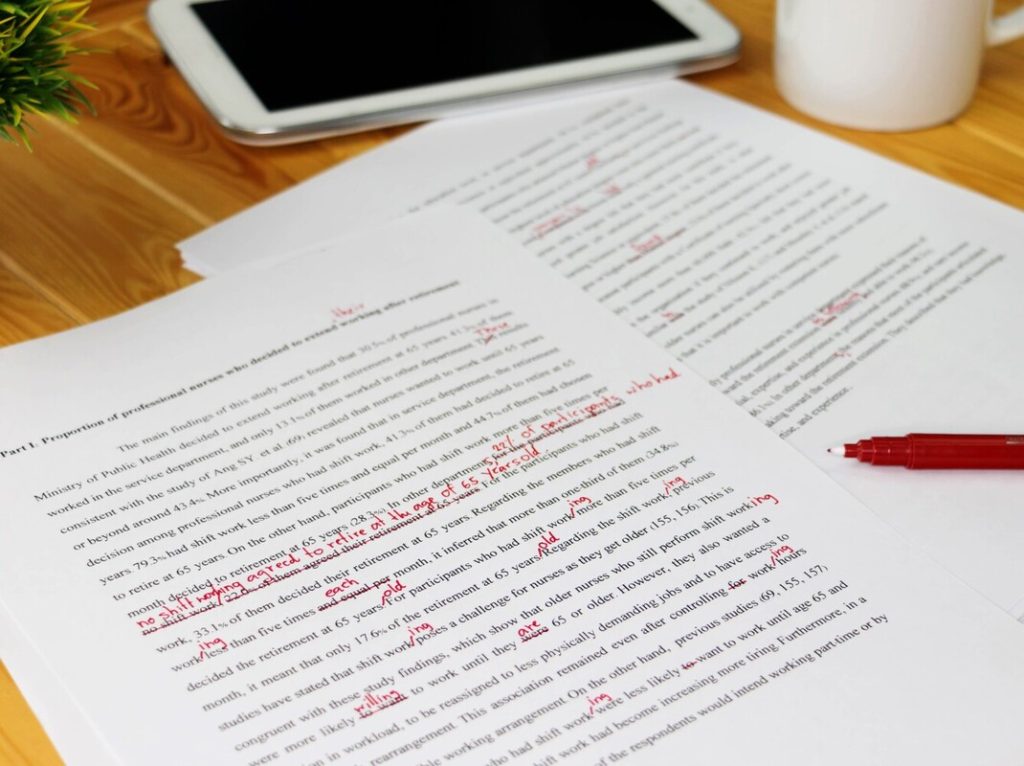
Step 2: Select Only Your Best Work
Now that you have some samples, choose only your strongest ones, whether they’re from online proofreading jobs or practice work.
Three to five solid examples are plenty. Each piece should reflect your attention to detail and your ability to work with a variety of tones and styles. You might include a blog post for a conversational feel, an academic excerpt to show precision, and maybe a business document for structure and clarity.
Keep your formatting neat and your corrections easy to follow. Clean presentation makes your portfolio look professional and immediately builds trust with potential clients.
Step 3: Create Context and Explanations
Every sample in your proofreader portfolio should tell a short story. Give a quick description of what kind of text it is, what the project’s purpose was, and what your role involved. Maybe you focused on grammar and punctuation, or perhaps you checked formatting and consistency. Mention any specific challenges you encountered and how you solved them.
You can also note which style guide you used, like Associated Press (AP) or The Chicago Manual of Style. These details help readers understand your process and show that you’re thoughtful and deliberate about your work.
Step 4: Show Your Process
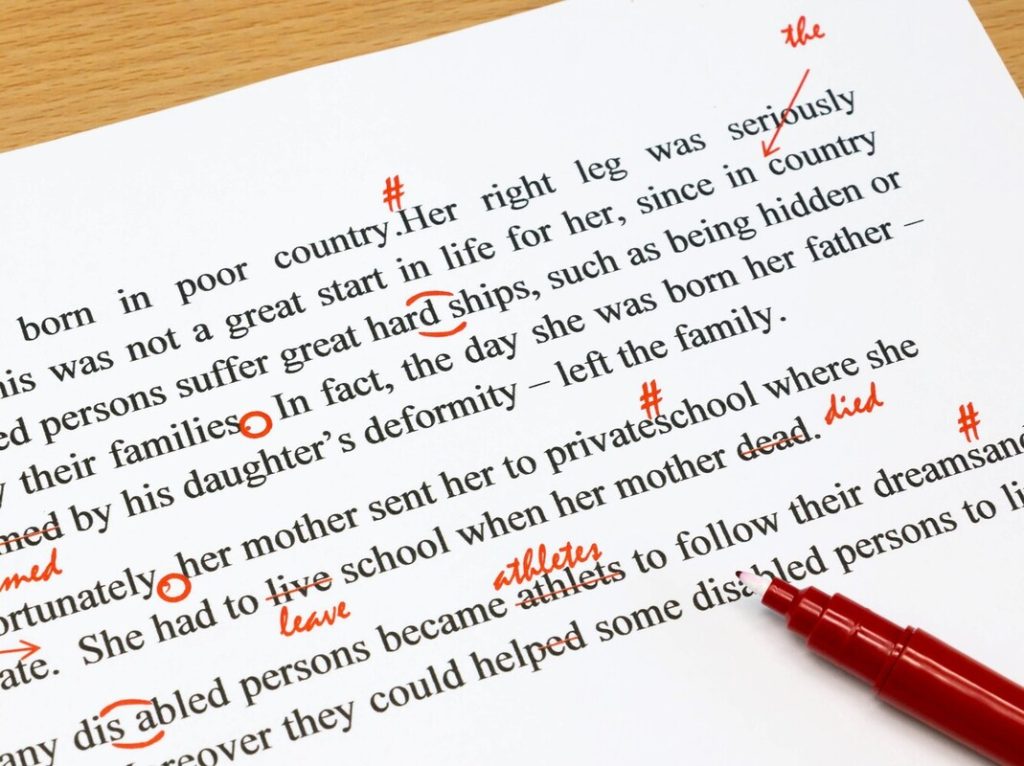
If you really want to impress, include a sample that shows your process from start to finish. This could include the original draft with grammatical errors and spelling mistakes, your marked-up version, and the clean, error-free final copy.
You might also add a brief explanation of the style choices you made or common issues you corrected. Clients love seeing how you think through your work. It shows your professionalism and consistency, as well as whether or not you match their specific needs.
Step 5: Choose Where to Display Your Portfolio
Before you design your layout, decide where your proofreading portfolio will live. A personal website gives you full control and looks professional, while a downloadable PDF is perfect for sharing on LinkedIn or freelance sites like Upwork or Freelancer.
If you’re building a website, use a simple platform like WordPress, Squarespace, or Wix, and include a clear “Portfolio” page.
Step 6: Use a Clean, Reader-Friendly Format
Your proofreader portfolio should look simple, organized, and professional. A digital portfolio works best because it’s easy to share. For PDFs, use clean formatting with clickable links and headings. Keep file sizes manageable so clients can easily view or download your work.
Make sure everything is clearly labeled, easy to navigate, and visually neat. Use consistent fonts and formatting so that your proofreading work, not the design, is what stands out.
Step 7: Get Feedback, Refine, and Update
Once your portfolio is assembled, ask for feedback. Have someone you trust, preferably another proofreader, writer, or editor, take a look. This can also be friends or family, as long as they’re knowledgeable.
Ask if your samples are clear and well-presented. Use their suggestions to improve the layout and descriptions.
As you gain more experience, keep updating your portfolio with stronger samples. It’s a living document that should grow along with your career.
7 Tips for Becoming a Proofreader
A freelance proofreader can easily make extra money by offering their services online, thanks to the growing market. But building a portfolio is just one part of getting started as a proofreader. To turn that skill into a career, there are a few more key habits and strategies to focus on to help you find online proofreading jobs:
1. Understand What Proofreading Really Is
Proofreading isn’t just spotting typos. It’s a precise, last-stage review of a written piece before it’s published or submitted. You’ll check for grammar errors, punctuation, and consistency issues, but you’ll also make sure formatting and layout are correct.
A professional proofreader catches small details others overlook and ensures every sentence reads smoothly and accurately.
2. Invest in Quality Training
Even if you have a natural eye for detail, structured training can help you fine-tune your skills and learn industry standards. Grammar rules, spelling, and copy editing can become second nature to you once you’ve invested in training.
Taking a proofreading course gives you hands-on practice, teaches you to use style guides such as Chicago or AP, and helps you build confidence. The more knowledge you have, the easier it becomes to attract clients who trust your expertise.

3. Choose a Niche
While it’s fine to start broadly, you’ll eventually want to narrow your focus. Some proofreaders specialize in academic papers, others in fiction, business documents, transcript proofreading, or marketing content.
Choosing a niche makes it easier to market yourself and target the right clients. You’ll also get faster and more confident with experience in a specific area.
4. Market Yourself Effectively
A great proofreading portfolio won’t do much good if no one sees it. Share your work online, connect with writers’ groups, and introduce yourself in communities where your target clients spend time.
You can join Facebook groups for authors, editors, and freelancers, or participate in online writing forums like Scribophile and Absolute Write. This allows you to engage with writers directly and offer them your expertise.
If you prefer in-person networking, attend local writing meetups or business events where content creators gather.
You can also write short blog posts or social media updates about common proofreading mistakes. These small touches show your expertise and keep you visible.
5. Start Small and Build Gradually
Every professional proofreader started somewhere. You might begin by taking on small projects or offering discounted rates while you gain experience.
Over time, as your skills and confidence grow, you’ll be able to raise your rates and attract long-term clients. Be patient with the process; every project adds credibility and helps you refine your craft.
6. Communicate and Deliver Consistently
Strong communication and reliability are just as important as skill. Always confirm expectations with clients before you start and deliver on time. If you run into challenges or have questions, speak up early.
Clients appreciate proofreaders who are transparent and proactive. It’s how you build lasting professional relationships.

7. Keep Learning and Improving
The language world changes all the time, and good proofreaders stay curious. Keep up with style updates, read about trends in publishing, and take refresher courses when needed.
The best professionals never stop learning. Every time you study, practice, or reflect on your work, your proofreading skills become sharper and more dependable.
Conclusion
Building a strong proofreading portfolio takes time, but it’s absolutely worth the effort. When you thoughtfully select samples, explain your process, and keep your presentation clean, you create a powerful snapshot of your skills and professionalism. Combine that with consistent training and marketing, and you’ll set yourself apart from the crowd.
At Proofread Anywhere, we’ve seen countless students start right where you are and go on to build thriving freelance or full-time proofreading careers. Your portfolio is the first big step. If you’re ready to take that step with expert guidance, our courses can help you build the confidence, skill, and structure you need to turn proofreading into a rewarding career.
This is such a helpful guide! It makes it much easier to understand how to present your skills professionally.
This was well written and very useful. Appreciate the effort you put into it.
I’ve been stressing about not having paid client work to show, so the idea of using public domain texts to create my own samples is a total lifesaver. I love the 'before and after' concept you mentioned. Quick question: when we include these mock samples, should we explicitly label them as 'practice work' or 'self-edited' in the portfolio so clients don't get the wrong idea, or is the context description usually enough?
Thank you for sharing! We’re glad the idea of using public domain texts and the ‘before and after’ approach is helpful. It’s best to label these samples as “practice work” or “self-edited” so clients understand the context, though a clear description in your portfolio can also provide helpful context.
very helpful article.
This is a really practical and encouraging breakdown of what a proofreading portfolio should look like, especially for beginners who feel stuck without paid experience. I love how it emphasizes quality over quantity and explains why context and process matter to clients, not just what to include. Clear, actionable, and confidence-boosting—exactly what aspiring proofreaders need.
Thank you for your feedback! We’re glad the breakdown was practical and confidence-boosting, and that it highlighted what matters most when building a strong proofreading portfolio.:)
This is a really practical and encouraging guide, especially for beginners who often feel stuck because they don’t have client work yet. I like how it shifts the focus from needing experience to demonstrating ability, which is exactly what portfolios are meant to do.
Thank you for your kind feedback! We’re glad the guide felt practical and encouraging, especially for those just starting out. Focusing on demonstrating ability really can make all the difference. 🙂
This is such a practical and encouraging breakdown of how to build a proofreading portfolio the right way. I really appreciate how it removes the pressure of needing paid experience to get started and instead focuses on showing real skills through intentional sample work.
This is really helpful advice for beginners who want to enter the proofreading field. I especially like the point about creating sample work even without paid experience—it shows that building a portfolio is more about demonstrating skill than waiting for clients.
Starting with sample work like blog posts or legal materials really helps build a portfolio
This is a really helpful and realistic take on building a proofreading portfolio—especially for beginners who feel stuck without paid experience. I like how it emphasizes that your portfolio doesn’t need to be perfect, just genuine and well-presented.
Thank you! We’re glad you found it helpful. Starting with a genuine, well-presented portfolio is a great way for beginners to gain confidence and experience. 🙂
This portfolio guide is such a valuable resource for aspiring proofreaders! I especially appreciate the examples and tips on showcasing your skills makes it much easier to attract clients. Thanks for sharing these practical ideas!
Glad you found it helpful! Showcasing your skills effectively is key to attracting clients and building a strong proofreading career. 🙂
This is a really practical and encouraging guide, especially for beginners who feel stuck without “real” experience yet. I like how it emphasizes that a strong portfolio doesn’t come from perfection, but from clarity, intention, and professionalism.
Thank you! We’re glad you found it helpful. A clear and thoughtful approach can make a strong impact, even at the beginning stages. 🙂
A strong proofreading portfolio isn’t just a collection of corrected documents—it’s a reflection of how you think. What really makes a portfolio stand out is not perfection, but clarity: showing why you made certain edits, not just what you changed.
Thank you! That’s a great point. Clear reasoning behind edits really does help demonstrate skill and thought process, not just the final result. 🙂
This is a really helpful and encouraging guide, especially for beginners who feel stuck because they don’t have paid experience yet. I like how it emphasizes that a proofreading portfolio doesn’t need to be perfect—it just needs to be real and professional. That takes a lot of pressure off and makes the process feel more achievable.
Thank you! We’re glad you found it helpful and that it made the process feel more approachable and achievable. 🙂
This guide offers practical, encouraging advice for aspiring proofreaders by breaking down portfolio building into clear, achievable steps. What stands out most is its emphasis on professionalism over perfection—reminding beginners that strong sample work and thoughtful presentation can be just as powerful as paid experience.
Very helpful breakdown of how to build a strong proofreading portfolio. Showcasing real examples really helps build trust and confidence with potential clients. Great guidance for anyone starting out in this field!
The advice about using public domain texts to create 'before-and-after' samples is a game changer for those of us starting without a client list. It’s a practical way to demonstrate technical skills without needing a project history. Appreciated the clear breakdown.
Thanks for putting together such an informative post. Everything was presented clearly, making the subject approachable and interesting. I enjoyed reading it and look forward to your upcoming articles and updates.
Great portfolio advice. I like the point about showing real before-and-after samples because it makes the work easier to evaluate at a glance.
Great work on putting together such an engaging post. The combination of useful information, relatable examples, and friendly writing style made this a pleasant read that I would happily recommend.
Reading this post was time well spent. The ideas were presented clearly, supported with useful details, and inspired me to explore more of your content in the future.
Thank you for publishing this article. The practical advice and clear writing made it an enjoyable experience, and I'll definitely be returning to explore more of your content in the future.
This article provided a fresh perspective that I genuinely appreciated. The clear explanations and helpful suggestions made it enjoyable to read, and I look forward to your next publication.
This article was informative and easy to understand. I appreciated the thoughtful details and balanced perspective. Looking forward to reading more posts because your writing style keeps readers engaged throughout.
The article "Proofreading Portfolio Tips: Showcase Your Skills the Right Way" offers a highly practical roadmap for beginners. Its standout feature is the suggestion to create your own test samples using publicly available texts, effectively demonstrating your capabilities without needing prior professional experience.
Great point about starting without paid experience—one thing that worked for me was creating before/after samples from public domain texts to show exactly how I catch errors. That gave clients a tangible look at my process without needing a client history.
Proofreading Portfolio Tips: Showcase Your Skills the Right Way is a practical, well structured guide that helps writers turn a keen edit sense into a compelling portfolio. It offers actionable steps to curate samples, demonstrate consistency, and highlight the editing process. The tone is encouraging and clear, with concrete tips readers can apply immediately to attract clients or editors. A must read for aspiring proofreaders seeking professional impact.