We know that remote work has become more the norm than it ever has in the past. Since COVID-19, working from home has made companies realize the benefits of allowing their teams to work outside the office. And we are loving it!
Our Proofread Anywhere team has nailed down the best ways to work remotely – because we’ve done it all! Working from home in PJs (though we don’t recommend that), from coffee shops that offer free WiFi, and even shared workspaces so there’s other human life around us.
So we can confidently share these top power tips to help you work from home successfully, elevate your career, and live that balanced lifestyle that we’re all aspiring to.
1. Create a Dedicated Workspace
Imagine working in a messy, lego-all-over-the-floor space, with coffee cups and plates scattering the room. Messy workspaces make for messy headspaces, if you know what we mean.
So having a dedicated workspace is the first, and most important, thing you want to create. Like walking into the office, your mind switches into work mode, setting you up for productivity.
A designated workspace has all the things you will need within reach, to help you in getting quality work done, within the deadline. It could be a separate room in your home, or it could be a quiet space that is set away from distractions and the household’s general noise.
Here are some of your top things to consider adding to your dedicated workspace:
- Your laptop or desktop PC, mousepad, and mouse
- A printer if you need to print out documents (but try and save a tree where you can, and keep as much as possible, digital)
- Enough plug points for all your devices
- A good work surface and comfortable chair (posture is important!)
- Good lighting
- Noise-canceling headphones if you can’t get away from your helper’s vivacious vacuum-cleaning, or your neighbor’s soapies blaring from their TV
Your workspace or home office must have a work “feel” about it. Working in your living room or kitchen, which are often associated with relaxing and putting your feet up (don’t do this in the kitchen though!), can be very distracting. And distraction lowers your productivity and interrupts your work day.
Keeping your work area neat and organized is also important. Research shows that having a messy work environment impacts how we work, our mental and emotional state, our time management, and much more.
So think about your designated workspace strategically, and make sure you’re creating the most supportive environment to get your work done.
2. Establish a Daily Routine
When working from home, it’s important to set a solid and consistent daily routine, like you would have when going into the office.
Set Solid Start and Finish Times
The great thing about working from home is that you can often set your own working hours (unless your company requires set working times each day). So if it feels like your bed clings to you like velcro until 09h00, then set your start time for 10h00.
The important thing is to then stay consistent with these hours. This gets your body and mind into a routine, which is important for your daily structure.
Use that little alarm function on your phone to remind you when to start and end your work day. You’ll often find that when you get into a groove with a cool project that you’re doing, you lose track of time. And if you’re not keeping track, the next thing you know it’s 20h00 and you’ve missed those after-work drinks with your date!
Making after-work plans is incidentally a good way to bring a definitive end to your workday. And no one wants those grizzly texts from your date asking you where you are!
Include Scheduled Breaks
Schedule some breaks into your day. As much as you may think you’re Superman, you do need time to recharge to help keep you motivated during the day, boost inspiration, and stay productive.
Think of how your day would be structured if you were working at the office. Generally, you’d get a one-hour lunch break and two 15-minute tea breaks. Build these regular breaks into your day, and stick to them (again, the consistency thing). Use the good ol’ calendar to block out these times, or set alarms on your phone to remind you to take some time out. Give them a special ringtone so you know it’s now time to chill a bit!
Self-discipline is vital when sticking to a schedule, but make sure you’re strict with setting boundaries between work and your home life. Some TLC after work, spending time with family or your mates, ensures that you’re balanced.

Plan Your Day in Advance
To optimize your work hours, plan your tasks for each day ahead of time. This can be done while you’re relaxing in bed the night before your work week begins, or at the beginning of the week.
It’s important to be agile when working with your task list though, as requests from your employer may change the priorities of a task. This is life, and we’ve got to learn how to roll with it.
3. Dress for Success
This may seem counterintuitive – because who wouldn’t want to stay in their PJs all day when working from home? But dressing as if you’re going into the office helps to get you into the work frame of mind.
This can also form a part of your daily routine, getting dressed in comfortable yet professional attire, to help get you into the mindset for a productive day.
And do you really want to get an impromptu video call from your colleagues on Microsoft Teams, in your teddy bear PJs with unbrushed hair?

4. Create the Right Environment
Having an environment that supports your work mindset is important when you work remotely. This can include:
- Music that is calming and geared towards helping you focus. Music with lyrics can be very distracting, so opt for instrumental playlists. In other words, leave your energetic party playlists for the weekend! There are many available on Spotify or YouTube.
- Make sure you have good airflow in your work area. Stuffy, closed spaces can make you start to nod off to lalaland, but a good flow of fresh air helps keep you bright and staying focused at home.
5. Use Time Management Techniques
Good time management is at the heart of remote work. It helps you to stay on track with your to-do list and get more work done within your set work hours.
There are some great tools available to help you manage your working hours in a day, and they can be set up in seconds. The Pomodoro Timer, for example, is an app that sets your working and resting times – 25 minutes of head-down work, then a five-minute break.
Or just block out work and rest times on that useful calendar of yours. This will help you keep track of your times, and keep busybody colleagues at bay during your downtime.
Task batching is also an option, where you clump similar tasks together to get them done in one go.
There are also some really awesome productivity tools like Trello or Asana to help you stay on track, allowing you to craft the structure of your day, your week, your task batching, and more.
Or think outside of the box a little, and use your laundry or dishwasher cycle as your “timer”. The little sing-song end of your washing cycle can be your trumpet call to take a break.

6. Leverage the Right Technology
We live in a tech-orientated world, which is especially valid in remote jobs where your work and communications take place primarily through technology.
So it’s important to ensure that you’re using the right tech and tools to support your best work-from-home setup.
Communication tools like Slack, Microsoft Teams, or Zoom are great for direct or team instant messaging and video meetings. Internet speed is also important. Slow upload and download speeds can make you want to pull out your hair, especially when you’re trying to send through that killer presentation you’ve created and it sits and sneers at you in your outbox.
If you feel your internet speed isn’t up to scratch, do an internet speed test then upgrade your router or mesh system accordingly.
A very useful tip for helping to separate your work and private headspace is to have different Google Chrome profiles. That way, when you’re in work mode, you won’t be interrupted by TikTok notifications popping up to tell you someone liked your Dogs Of TikTok reel.
It’s also important to have reliable hardware: from your laptop or desktop computer to a good headset for quality sound, and an ergonomic chair. A bad chair could end up with you having to book out time with the physio to have your creaky back sorted out.

7. Set Boundaries With Family or Roommates
When someone has a remote job and works from home, there can be a misconception that they’re always available. This could be to do chores, or be a general go-to for things a family member or roommate may need.
Imagine being interrupted in the middle of a detailed spreadsheet by your husband or wife asking you to quickly pop out and buy batteries – no one needs batteries that urgently!
So you need to set firm boundaries and communicate those clearly with your family or people you are living with.
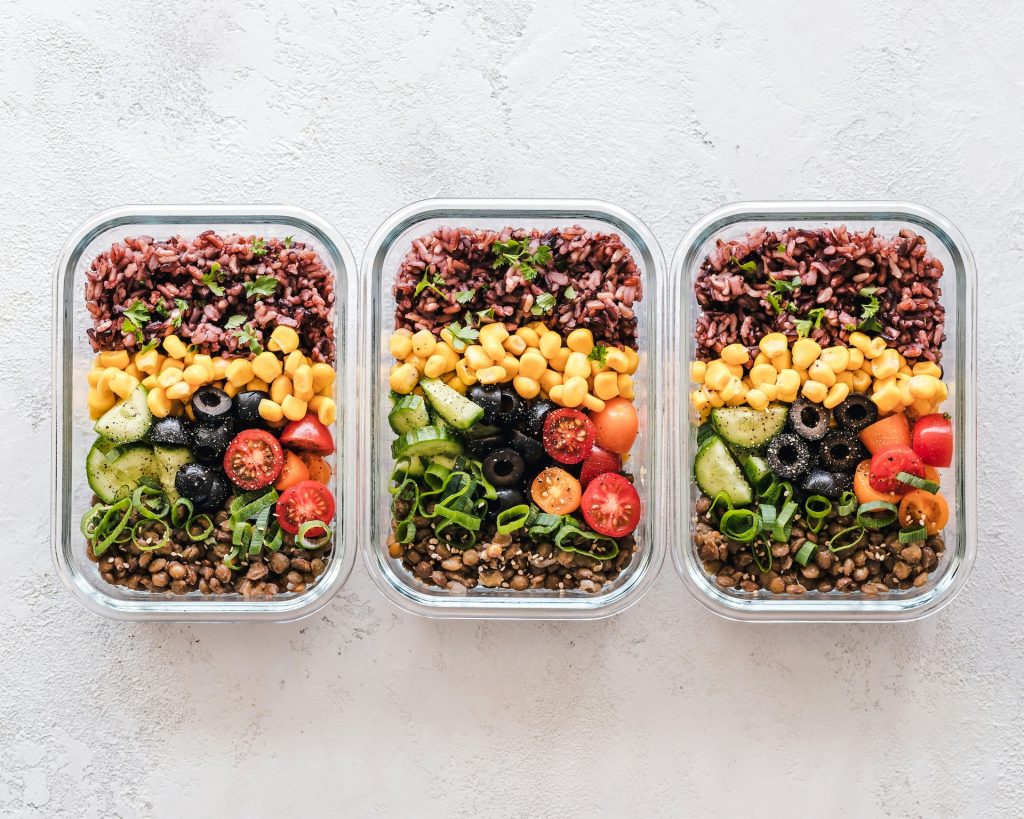
8. Pre-Pack Your Meals
It’s tempting, when you’re at home, to prepare gourmet meals for breakfast and lunch – with all the chopping and slicing prep that goes with it.
But while this sounds like a perk of working remotely, preparing fancy meals during the workday can eat up (pun intended) time that should be allocated to getting your work done.
Prepare your day’s meals ahead of time – exactly as you would if you were going into the office. Breakfast, lunch, and snacks in between should be prepped and packed or plated, ready to whip out and enjoy in the allocated break times.
9. Take Advantage of Remote Work Perks
But talking of perks, there are many perks to working remotely that you most certainly should take advantage of. You chose this lifestyle for a reason, so you have every right to enjoy the good stuff that comes with it.
Like flexibility. Working remotely most often allows you to create a flexible schedule that gets your required work hours done in a day, but allows you the freedom to structure them creatively.
Starting an hour early, for example, gives you the flexibility to fetch kids from school and cart them around to their extra-curricular activities. Or use one of your scheduled breaks to do a bit of grocery shopping, get some fresh air while taking your dog for a walk, or work out those kinks in your body with a yoga class.
For those who enjoy more intentional fitness, a flexible work structure allows you to build time into the workday to go to the gym. This means you don’t have to go in the evenings and fight for bench presses and weights with all the corporates.

10. Stay Connected With Colleagues
The one thing about remote work is that you are generally working on your own, so you miss out on the interaction with colleagues. As human beings, we must connect with others. It keeps us motivated and feeling part of the whole and supports that community and team spirit.
A weekly meeting does not count as connecting with your colleagues!
Set up virtual coffee dates to connect as people and not just work colleagues, or go for an actual in-person lunch. These meet-ups are almost like chatting around the proverbial water cooler.
11. Prioritize Health and Wellness
Overworking is one of the biggest challenges when working remotely. You can get so absorbed in the work you are doing, that you lose track of time.
Your health and wellness are paramount to keeping you motivated, productive, and happy in your job in the long run.
Get enough rest, including during the day. Schedule a power nap if you need to (they really do work!), have regular stretch breaks, and keep your blood circulation going.
It’s also important to eat nutritious meals to fuel your body and mind for optimal operation. Eating junk food can make you sluggish and feeling like you’d rather couch-potato it in front of the TV than work. But healthy, nutrient-rich foods can keep you perky and sharp, and giving your best.
Taking rest days and sick days is also important. Weekends are there for a reason – use them to rest and recalibrate, and do things that you enjoy and that recharge you. The same with sick days. When working from home, we often feel guilty about taking a sick day because, well, you’re at home anyway.
But sick days are also there for a reason, to allow your body and mind to heal if you are unwell.
Prioritizing your health and wellness can help to prevent burnout, and keep you enjoying the remote work life that you have chosen.

12. Explore Remote Job Opportunities
Remote work is broader than you may realize. While the traditional work-from-home scenario is being a full-time employee with a company, but just not working from an office, there are a multitude of other remote job types available.
Freelance work is one of them, like freelance proofreading (here’s how to become a proofreader), content creation, feature writing, digital marketing, bookkeeping, and many other lines of work.
Because remote work has become so prominent, job seekers are no longer locked into finding work in their own state or country. The world has become your oyster for remote work. And using platforms like Upwork, Remote.co, LinkedIn, Indeed, FlexJobs, Freelancer, and more will bring the opportunities to your fingertips.
13. How Can I Organize Working From Home?
Not everyone is built to work from home. Some people need daily in-person interaction with peers, while others need to be in an office environment to be productive.
Some thrive on structuring their days to the minutest detail and work best independently, and some just want a more balanced work-life ratio.
If working from home does appeal to you, there are a few ways to go about it.
If you’re currently working full-time in the office for an employer, have a discussion with your manager. Chat about the possibility of working from home, or even trying a hybrid home/office split in your week. Present the benefits such as less time commuting which leaves more time for working, and lower operational costs as you’ll be at home.
If you’re thinking of leaving your current workplace, you could join a more remote-friendly company that already offers a work-from-home option or is solely work-from-home. Or consider becoming a freelancer.
You could even start your own business! Do something that you’re passionate about, that brings you joy – and that allows you to work remotely.
Keep in mind though, that not all jobs can be done from home. So when considering which approach you want to take, consider what the job type is. Pretty obvious, but construction isn’t one of them; while proofreading absolutely is! Here are some resources & tools for proofreaders.

Conclusion
To work remotely, whether it’s from home or a location like a coffee shop, is a wonderful way to bring balance into your work and personal lives. It gives you more flexibility to structure your day in a way that suits your lifestyle. And it gives you more freedom to work in ways that elevate and optimize your productivity.
Find the way or ways that work best for you and then make them happen! You can have that lesser-spotted working structure that is perfect for you and the balanced life that you want to lead.
I really appreciate
Thank you for the informative possibilities for a healthy and professional remote working environment and experience.
Really helpful breakdown! Working from home can feel overwhelming at first, so having clear options like this makes it much easier.