One common question we get asked all the time is “How do I know if proofreading is for me?”
To be honest, we can’t answer that question for you. We can’t know what kind of proofreading services you can offer, how good you will be at spotting typos in a piece of writing, or if you have a strong command of the English language. Being a successful proofreader is all about your passions, skills, and determination.
So how do you decide if you have what it takes to be a proofreader?
You might be a proofreader if you are your family’s go-to resource for grammar and spelling questions. There are usually some telltale signs that you might want to become a proofreader. Excellent proofreaders often possess many of the same qualities. Chances are if you have almost all of these qualities, you’ll thrive as a proofreader.
Keep reading to find out what qualities successful proofreaders have in common.
The Essential Proofreader Skills
Proofreading is a dream job if you’re all about the little details, love catching tiny mistakes, and get a kick out of making things just right. But here’s the thing—it’s not just about spotting typos.
Proofreading is a total game-changer! Fun fact: 59% of online readers say typos make them lose trust in the content. Crazy, right? That’s how important your writing skills are!
So, if you’re the type of person who notices every little mistake in a text or feels the urge to correct a misplaced apostrophe (it’s okay, we get it), you’re already halfway there. Stick around—this guide will show you how to take those instincts and turn them into a rewarding career.
1. Attention to detail
Proofreading is something that some people are innately good at, so it’s a natural choice when word nerds are searching for ways to make money working from home. If you enjoy spotting punctuation errors or fancy yourself an “eagle-eyed pro”, you may get hooked on finding errors and polishing client projects.
Eagle eyes. You’ve probably heard us talking about eagle eyes before. Excellent proofreaders must be able to spot errors a mile off. Grammatical errors need to jump off the page at you.
Have you ever been tempted to call business owners to let them know what punctuation faux pas they’re committing? Does spotting a misplaced comma on a menu or a misspelled word on a billboard make your inner perfectionist cringe? Do you find yourself wondering why businesses didn’t hire someone to proofread their content before publishing it?

If these scenarios sound familiar, then you’re already primed to be a proofreader.
A part of a proofreader’s job means loving the nitty-gritty. It’s not about skimming through text; it’s about diving deep, ensuring every word and all those punctuation marks are just right. Proofreaders are the unsung heroes behind flawless content, making business owners, authors, and clients look like rock stars.
But if you’re more of a “big picture” person who doesn’t enjoy focusing on fine details, that’s okay too! Proofreading isn’t for everyone. But for those who love the art of precision, it’s an incredibly rewarding way to make an impact while working from home. And don’t worry, there are plenty of other work-at-home job opportunities, like online proofreaders, out there.
2. Strong Language and Grammar Command
You won’t get far as a proofreader if you don’t have an above-average grasp of spelling, grammar, and punctuation.
Excellent proofreaders understand the difference between there, they’re, and their. They know when you should use “less” rather than “fewer.” And they don’t hang on to outdated or just plain wrong grammar myths.
If you need a brush up on your grammar skills, you can check out our Look Better in Writing ebook or our favorite grammar course, Grammar Lion. Or better yet, try out Grammarly for some extra help.
So, you don’t need to be a human dictionary, but a strong grasp of grammar is essential to become a professional proofreader. Grammatical errors confuse readers, mess up the flow of the text, and make your written work look unpolished. A good proofreader knows how to spot those mistakes or spelling errors and clean them up so the writing flows smoothly.
Now, it’s not just about knowing when to use “their” vs. “there” or “your” vs. “you’re” (although those are super important, too). It’s about understanding the grammar rules and knowing when to bend them for style purposes.
The more you practice, the sharper your grammar skills will become. If you’re serious about thriving as a proofreader, why not take it up a notch with a proofreading course? It’s a great way to refine your editing skills and spot errors like a pro in no time!

3. Willingness to Learn
You don’t have to know everything right off the bat. Grammar, spelling, and familiarity with style guides can be learned. But you have to care about learning it. You have to be willing to research what you don’t know – whether that’s a grammar rule you’re not sure of or upgrading your computer skills.
The key is knowing an error when you see one, or at the very least knowing it could be an error and having the sense to stop and check.
A good proofreader doesn’t assume that they know everything just because they have a strong grasp of English in high school. They understand that the English language changes over time, and they’re aware they may have picked up some bad habits or misinformation over time.
An excellent proofreader will be willing to invest in themselves to make sure that they’re providing the highest quality service they can provide to their clients. They understand the importance of taking a proofreading course to hone their skills, and they actively use style guides and reference books like the Chicago Manual of Style to check if their gut feelings are correct.
The biggest hindrance to learning is refusing to open up your brain to actually learn.
What’s the purpose of learning? Mastery. Before you can profit from a skill, you must master it. That’s when the confidence comes. What does it mean to master something? It means you can do the thing almost effortlessly.
So, we want to encourage you: No matter how much you know (and we know you *do* know a lot!!), be willing and able to receive new knowledge into your brain.
If you want to learn how you can brush up on your proofreading skills, check out our free Intro to Proofreading workshop!

4. Flexibility and Time Management
Proofreading isn’t always a 9-to-5 job, especially if you’re in the court reporting niche. This type of work can come in waves. When your clients aren’t busy, neither are you. But when they’re busy, you better be ready to work.
Proofreaders make more depending on the season and how many clients they have and that’s ok. Being able to adjust based on a variable income is essential to being a freelance proofreader.
Most transcript proofreading work comes in in the evenings, and it will take you longer than an hour to complete. General proofreading tends to be less fast-paced, but your clients won’t want to wait weeks for their documents to be returned. They may have deadlines that they need to meet.
You’ll need to be willing to communicate with your clients to make sure the timeline works well for both of you.
Deadlines, last-minute requests, and surprise edits are all part of the proofreading gig. Flexibility is key when it comes to managing the unexpected, and time management is what keeps everything running smoothly.
Imagine juggling multiple projects – an annual report from one client, a snappy blog post from another, and a marketing flyer that needed to be proofed yesterday. Sound stressful? Not if you’ve got your time management game on point. Need some help? Consider using ClickUp, your guardian angel in time tracking and project management.
Being flexible doesn’t just mean meeting deadlines. It means understanding and adapting to your client’s unique needs. Some want detailed notes on every edit, while others just want you to “fix it.” You might have to switch between a highly formal tone in the morning to a casual, playful style by the afternoon. Mastering these shifts during the writing process, without skipping a beat, is what makes you invaluable.
5. Excellent Communication Skills
Proofreading isn’t a solo job. You’ve got to interact with clients, writers, and sometimes whole teams. Whether it’s explaining your edits, asking for clarification on vague instructions, or suggesting a change to improve clarity, excellent communication skills are essential.
A big part of this is about being clear and concise. You can’t just mark up a document and expect your client to understand your thought process. You need to explain why you made a change or why a particular sentence doesn’t quite work.

And here’s the kicker: you need to do it diplomatically. Writers can be protective of their work, so a little tact goes a long way. Great written communication isn’t just about avoiding misunderstandings. It’s about building trust and showing that you’re as invested in the project as they are.
Plus, good communication can save you a ton of time. Clear discussions about expectations and deadlines mean fewer revisions and less back-and-forth. It’s all about setting the tone for a productive collaboration and showing your clients that you’re not just a proofreader. You’re a partner they can count on.
6. Technical Proficiency
Proofreading and editing without tech tools is like navigating a map without GPS. Sure, it’s possible, but why make it harder than it needs to be? Tools like Grammarly, Hemingway Editor, and even built-in spellcheckers are lifesavers, helping you catch common issues quickly so you can focus on the deeper stuff.
But it’s not just about having the tools – it’s about knowing how to use them. You’ll need to master things like tracking changes in Microsoft Word, using comment features in Google Docs, or navigating client-specific platforms.
Plus, understanding file formats and style templates can save you time and make you look like a total pro. The right tech doesn’t replace your skills; it enhances them, letting you work smarter, not harder. And here’s the bonus: mastering these tools also makes you faster, so you can take on more clients without breaking a sweat.
Oh, and let’s not forget about the fun stuff: learning shortcuts and tricks that save you hours of frustration. With the right tools and skills, you’ll impress your clients and make your life so much easier.
7. Persistence and Dedication
It’s not easy—learning a new skill and starting a business. It comes hand in hand with a lot of self-doubt. Maybe it feels like you’ll never understand how to use a comma properly. Or maybe your business has been up and running for a few months, but you still don’t have any clients.
We can’t let things like these stop us.
Getting outside your comfort zone is the key to getting unstuck.
The only ways to guarantee failure are:
1) Never even try
2) Give up
Getting outside your comfort zone is the key to getting unstuck.

Proofreading is not for the faint of heart. It takes persistence to sit down and go through a 50-page report, line by line, comma by comma. And let’s be honest, some projects are more exciting than others. Not every day will be filled with witty ad copy or thrilling blog posts. Sometimes, you’re working on technical manuals or dry legal documents.
This is where dedication comes in. The ability to push through challenging projects, meet tight deadlines, and still deliver top-notch work sets great proofreaders apart.
Building a career in this field isn’t about instant success; it’s about showing up consistently and proving your value over time. If you’re passionate about getting things right, this persistence will pay off in spades. Plus, every project you complete – no matter how dull – helps build your reputation and expertise, which leads to bigger and better opportunities.
And hey, even the toughest jobs teach you something. Maybe it’s a new term, a unique formatting style, or just how to manage your time better. Stick with it, and you’ll keep growing while building a portfolio that proves you can handle anything.
8. Critical Thinking
Proofreading isn’t just about fixing what’s wrong; it’s about making the writing better. This means thinking critically about the content, not just the mechanics. Is the tone consistent? Does the argument make sense? Are the transitions between paragraphs smooth? These are the kinds of questions you’ll need to ask yourself.
Critical thinking also means being able to evaluate when a sentence works – and when it doesn’t. Sometimes, it’s about suggesting a better word choice or rephrasing a clunky sentence. Other times, it’s about realizing that a piece of information is missing altogether.
You’re not just correcting errors; you’re making sure the overall piece is cohesive, engaging, and effective. It’s like being a puzzle solver—except the puzzle is made of words. And trust us, there’s no better feeling than taking a messy draft and turning it into a polished masterpiece that both you and the client can be proud of.
But here’s the thing: critical thinking is also about knowing when to step back. Not every piece needs to be perfect—it just needs to meet the client’s goals. Balance your perfectionist streak with a practical mindset, and you’ll not only save time but also keep your clients coming back for more.

Additional Tips for Aspiring Proofreaders
Ready to sharpen your proofreading skills and make your mark as a proofreader? Here are a few extra tips to help you stand out and succeed in this detail-driven, word-loving world!
1. Invest in Training
Want to level up your proofreading skills and feel confident tackling even the most challenging projects? Investing in proofreading courses or even a certification is the way to go.
Whether you’re a complete beginner or someone looking to sharpen your existing skills, the right training can make a world of difference. Not only does it boost your confidence, but it also helps you stand out in a competitive field.
Thankfully, there are plenty of options to explore. For starters, you can check out our general proofreading course, which is tailored to help you build a solid foundation. And if you’re curious about what you can achieve without an English degree, our article on becoming a proofreader without a degree is a must-read.
You’ll also want to dive into courses and books specifically designed to provide practical insights and tips. From general proofreading essentials to specialized training in transcript proofreading, there’s something for everyone.
2. Use Style Guides
One of the best ways to elevate your proofreading game is by mastering writing style guides like the Chicago Manual of Style or the Associated Press (AP) Stylebook.
These tools are more than just books—they’re your go-to references for everything from punctuation rules to formatting guidelines. They ensure your work stays consistent, professional, and polished, which clients will absolutely love. If you’re serious about building a professional proofreading career, getting comfortable with these style guides is a smart idea.
Need to brush up on some technical skills? Check out these proofreading tools and resources to make your work easier and more efficient. Pairing a solid understanding of style guides with the right tools is a surefire way to deliver amazing results.
Sure, style guides can seem a bit overwhelming at first, but with some practice and the right resources, you’ll see how valuable they are. They’re not just about fixing mistakes—they’re all about making sure every piece you proofread hits that gold standard.
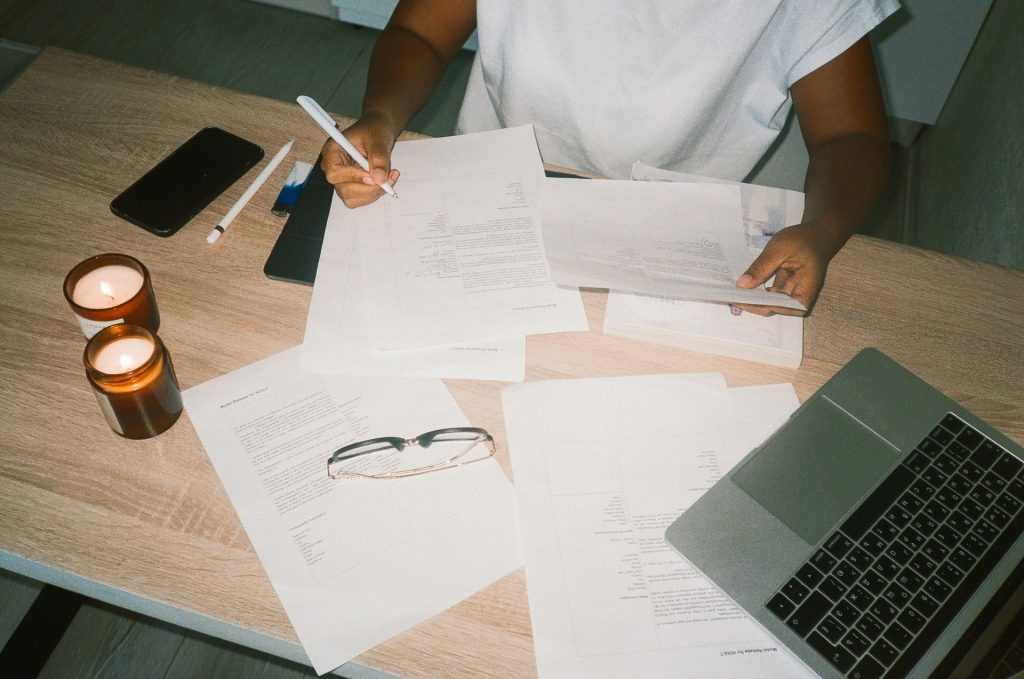
3. Practice Makes Perfect
Proofreading isn’t just a skill. It’s an art that you develop with time and dedication. The good news? You don’t need a fancy degree to get started.
Start small with personal projects, blog posts, or even casual freelance gigs. Each project you complete will sharpen your ability to catch errors and refine your editing instincts. Over time, spotting misspellings, grammar slip-ups, and punctuation mistakes will feel like second nature.
And don’t stop there – invest in ongoing training through proofreading tests and practice using real-world examples. Ready to dive into more structured learning? Check out proofreading courses and books for a comprehensive approach to specialized skills.
Remember, practice doesn’t just make perfect—it builds confidence, credibility, and a solid foundation for a successful career in proofreading. Keep pushing yourself, and you’ll see incredible results!
Conclusion
Becoming a professional proofreader is super rewarding, but it takes practice, patience, and a lot of honing your proofreading skills. If you’ve got a keen eye, self-motivation, and a love for grammar, you’re already on the right track.
Proofreading services are always in demand, so keep improving those skills, take a proofreading course, and don’t be afraid to get started!
Ready to give it a go? Whether you’re polishing up business documents or editing your favorite author’s latest manuscript, there’s a world of proofreading jobs out there waiting for you. Go ahead and get started on your proofreading skills—you’ve got this!
I look up a lot on the internet, about how to make money online and I came across transcription and proofreading, and many other things that have to do with writing. And I should say I am quite interested in anything that has to do with writing, English, and just basically fiddling with the keyboard. But as much as I thought, just because I can read and write basic English, that would be enough for me to get started, I was very wrong apparently, I needed way more than that. I went on to study punctuation and its usage, and that was still not enough. I really felt discouraged but after reading your article about how self-doubt is part of the ordeal and how I will definitely feel that once or twice the trick is to not give up, it has helped me feel better to learn more and be well on my way. I love how you say: “By giving up, you are refusing yourself some type of life.” I would love to spend more time with my daughter and invest in my businesses which have shut down because of covid19. Thank you for this article it really helped me a lot.
Thank you for this article it really helped me a lot. I'm very grateful for that.
Is work such as freelance proofreading limited to being able to spot misspelled words or does it include re-phrasing suggestions for better reading flow.
I ask because in your section '4. Flexibility', you double use the word 'in'. while i understand what you are saying and there are no grammar errors, I couldn't stop hearing it in my head. iwouldhave preferred the wording 'work comes in during the evenings…'
What you are referring to is more along the lines of editing. By the time you get the project as a proofreader, it should have had all the content rewritten and ready to go. You are the one who double-checks to make sure no embarrassing grammatical and spelling errors slip through. 🙂
Thank you for the article. In section 3 titled "Willingness to learn," paragraph 3 line 1 contains "they has" which should be "they have." I checked the comments before replying to see if this error had been spotted, and saw that someone already mentioned "in in" which is found in section 4.
Are these intentional errors to see if anyone catches them? Clever if so.
Thank you for the alert! All fixed! Just goes to show that even proofreaders need proofreaders!
I loved the use of real-life examples in this piece. It made the information more relatable.
Did Caitlin just jump into proofreading in the beginning, or did she take someone's course to get started?
Your ability to find common ground creates bridges between differing perspectives.
Thank you, Solar! We do our utmost to listen and value everyone’s opinions! ?
Your words of encouragement have a profound impact on others' confidence.
I am looking to sharpen my proofreading skills. My husband and I are retired and I feel I can do this if I brush up on my known skills. I hope to to this with lots of efforts but not a lot of expense, since we are on a fixed income. Something new can be intimidating but I know it will take work to prepare myself for being the best at what I do and to please my clients! I look forward to going into this new exciting time in my life.!