Have you ever come across a job post promising $50 an hour just to fix a few typos or catch the occasional punctuation error? It sounds way too good to be true, right? You’re not alone if you’ve wondered whether these online proofreading jobs are real or just another clever internet scam designed to waste your time—or worse, take your money.
The truth? Proofreading is a real and sought-after profession. From small businesses and bloggers to legal firms and publishing houses, countless clients are hiring online proofreaders to correct grammatical errors, check formatting, and polish their content.
But with the rise in demand for remote proofreading jobs comes a wave of sketchy job boards, shady offers, and “training programs” that overpromise and underdeliver. So, how can you separate the real proofreading jobs from the scams? And if you’re serious about learning how to become a successful proofreader, where do you begin?
That’s exactly what we’ll explore in this guide. You’ll learn how to spot legitimate freelance proofreading jobs, which training programs are worth your time, what proofreading and editing services typically require, and how to avoid work-from-home scams.
Is Proofreading a Legitimate Job?
Yes, proofreading is absolutely a legitimate job. A proofreader’s job is to catch grammar mistakes, punctuation errors, formatting problems, and anything else that could make a document look unprofessional.
You’re not rewriting paragraphs or fixing structure like an editor would. You’re fine-tuning written materials to make sure they’re error-free. It’s that last layer of polish before content gets published. People hire proofreaders for all kinds of reasons. Businesses want professional-looking emails and business-related documents.
Authors want clean manuscripts. Bloggers, academics, and even marketing teams all rely on trained proofreaders. And guess what? Many proofreaders work from home. Online proofreading jobs are now more common than ever. Remote proofreading is flexible, and you can work with clients worldwide. With tools like Google Docs and Microsoft Word, sharing and reviewing documents is fast and manageable.
Proofreading has been around for decades, and because of technology, freelance proofreading jobs are much more accessible. This means you don’t need to live near a major publishing city like New York to find clients. You just need to know how to market yourself correctly, along with solid proofreading skills, a strong proficiency in grammar, and a little training.
If you’re curious whether proofreading is right for you, Proofread Anywhere’s free General Proofreading workshop is a great place to start.

How Proofreading Differs from Editing and Copywriting
One common misconception about the proofreading career path is that it’s the same as editing or copywriting, but each role requires different skills and responsibilities.
Proofreading is the final step in the content creation process. A good proofreader doesn’t rewrite or restructure the content. Instead, they focus on correcting grammar, punctuation, spelling, formatting, and typographical errors. Their goal is to make written materials error-free, consistent, and polished.
Editors, on the other hand, often revise sentence structure, improve clarity, and even rewrite large portions of text. Copywriters create original content like ads, blog posts, or product descriptions to persuade or inform.
If you have a keen eye for detail, enjoy spotting errors, and prefer working with completed drafts rather than writing from scratch, proofreading could be the perfect fit. It’s ideal for people who enjoy language and want a flexible, remote career without the pressure of heavy rewrites or content creation.
Understanding these differences helps set realistic expectations and confirms that proofreading is a legitimate job with a clear scope of work.
How Much Can You Really Make as a Proofreader?
Let’s talk money. You’re probably wondering, “Can I really make a living working online and proofreading for companies?” The answer is yes, but it depends on a few things.
As a freelance proofreader, your average pay can vary widely depending on your experience level, the type of content you work on, and how fast you can complete projects. Many entry-level online proofreaders earn between $15 and $25 per hour depending on their experience level, the complexity of the content, and the platform or client they work with, especially when starting out.

Entry-Level Rates and Growth Potential
If you’re new to proofreading, expect to start on the lower end of the pay scale. But don’t let that discourage you. With training and a little hustle, many proofreaders increase their rates over time. You can justify higher rates as your proofreading skills improve and you gain more proofreading experience.
A trained proofreader with a strong portfolio, strong communication skills, and solid client testimonials can often charge $40 to $60 an hour or more for niche work like educational materials or court transcripts.
Hourly vs. Project-Based Pay
Some freelance proofreading jobs are paid hourly, while others are priced per project or per word. If you’re fast and accurate, project-based work can help you earn more per hour.
The key is delivering error-free results on time. Specialized proofreading services (such as copyediting for academic papers or correcting grammar in legal briefs) usually pay more due to their complexity.
Tools That Help You Earn More
A successful proofreader knows how to work efficiently. Tools like Microsoft Word with Track Changes, Google Docs, and various style guides make your work faster and more professional. Proofreading requires a keen eye for spotting errors, understanding punctuation rules, and using precise language.
Knowing how to use software tools effectively and deliver polished, consistent work builds trust with clients and keeps them coming back.
Income Potential for Full-Time Freelance Proofreaders
Earning potential for proofreaders can vary, depending on their goals. Some people treat freelance proofreading as a side hustle, bringing in a few hundred dollars a month. Others build a full-time online business, earning $1,000 to $4,000 per month or more as they grow their client base and sharpen their skills.
Just remember: building a proofreading career takes time, training, and persistence. But if you’re committed to learning and improving, remote proofreading jobs can absolutely become a reliable source of income.

Why Some People Think Proofreading Jobs Are Scams
You’ve probably seen headlines promising huge earnings for minimal effort. Maybe you’ve seen “proofreading jobs” on social media that offer $500 a day with no experience required. Sounds great, right? But here’s the truth: many of those offers are scams.
In fact, according to the Federal Trade Commission (FTC), Americans lost over $8.8 billion to scams in 2022, with many of those related to fake job offers and remote work fraud.
Remote proofreading jobs are real, but scammers love to take advantage of people who are looking for work-from-home opportunities. Below are common red flags to help you spot scam websites and get started on the right foot if you’re serious about building a successful proofreading career.
Promises of Instant Wealth
A proofreading job that promises $500 a day with no proofreading experience, training, or effort is almost always a scam. Real freelance proofreading jobs require time, skill development, and persistence.
Many proofreaders start small by correcting grammar, punctuation errors, and spelling in business documents or academic papers and grow over time. Proofreading requires a high proficiency in language and attention to detail. If an ad guarantees instant success without mentioning any of that, it’s too good to be true.
Job Postings With Grammatical Errors
It’s ironic, but many fake job postings contain spelling and punctuation errors. If the company can’t write a clean ad, they’re probably not looking for someone with a keen eye for spotting mistakes. They’re looking for someone to scam.
A professional company that offers real online proofreading jobs will communicate clearly and respect the value of proofreading services. They’ll likely ask for a resume, cover letter, or a proofreading test that assesses your ability to catch mistakes in written materials.
If you’re serious about becoming a proofreader, don’t trust any opportunity that doesn’t demonstrate a basic grasp of language.

Upfront Payment Requests
One of the biggest red flags in freelance proofreading scams is the request for upfront money. This could be for access to jobs, a fake training course, or a proofreading “kit.” Legitimate companies that hire proofreaders do not ask for upfront fees.
If you want to pursue a proofreading career, it’s recommended to invest in quality training, but beware of anyone who demands payment just to send you job leads.
Building a freelance proofreading business takes discipline and focus, not costly “memberships” to shady platforms.
Vague Companies With No Contact Info
Legitimate companies hiring freelance proofreaders will have clear websites, verifiable contact information, client testimonials, and a transparent hiring process. Scammers, on the other hand, often use vague company names, generic email addresses, or no business location.
If a proofreading job opportunity doesn’t mention the type of proofreading services offered (e.g., copyediting, academic papers, or corporate materials) or how they work with clients, be cautious. Real companies list their services, describe their team of editors or proofreaders, and often provide sample work or client case studies.
Don’t be afraid to research the company. Check LinkedIn, read reviews, and confirm they’re a legitimate business before applying.
Fake Checks or Suspicious Payment Methods
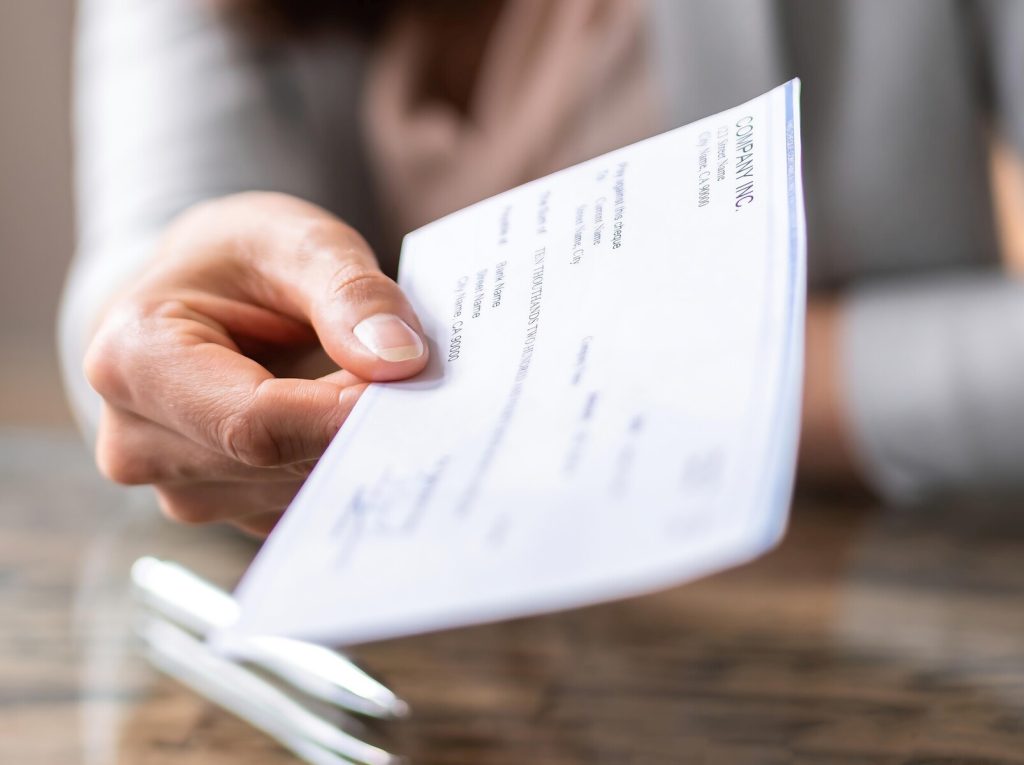
Another common scam involves sending fake checks or asking you to process money through your bank account.
Real freelance proofreading clients don’t use confusing or questionable payment methods. They typically pay through professional platforms, bank transfer, or services like PayPal.
A legitimate freelance proofreader gets paid for completed work after providing expert feedback, correcting grammar and punctuation, and ensuring error-free documents. If a job offer involves sending or receiving money before you even complete a task, walk away. Protect your identity and your finances.
Unrealistic Job Descriptions That Don’t Match Real Proofreading Work
If a job ad claims you’ll be “posting links” or “just reading documents” without any mention of actually correcting grammar, punctuation, or spelling errors, it’s a red flag. Real proofreading jobs require meticulous editing skills, an understanding of language rules, and usually some experience with software tools like Google Docs.
Scammers often use the word “proofreading” as clickbait to lure people into totally unrelated tasks, like affiliate marketing schemes or survey spam. These jobs have nothing to do with reviewing written materials or improving document quality.
If a job description sounds vague, offers no sample work, and doesn’t explain what kind of content you’ll be proofreading, don’t trust it. Real employers are clear about expectations and typically want to see whether you have the skills to catch errors and polish a final draft.
Be especially cautious when you see these offers on platforms like Facebook groups, random Instagram or WhatsApp DMs, or job boards that don’t verify listings. Scammers often pose as recruiters or hiring managers on these platforms, promising fast money with little effort. Always research the source and verify the company’s legitimacy before applying.
How to Vet Proofreading Jobs & Training Programs
How do you find real proofreading work? And how do you tell if a training program is worth it?
How to Spot Legit Job Opportunities
Look for job descriptions that clearly outline what the proofreading job requires. A legitimate listing will explain the kind of content involved, such as business documents, blog posts, or marketing content, and describe the skills needed, such as attention to detail, experience with Track Changes, or knowledge of a style guide such as the Associated Press Stylebook.

Many remote proofreading jobs will also include a screening process. That’s a good thing. Reputable clients and editing companies want to hire proofreaders who can deliver quality work. They might ask for samples of your completed work or give you a short proofreading test. This helps them see your accuracy and turnaround time in action.
Trusted platforms like FlexJobs, Reedsy, Upwork, and Freelancer are good places to look. These sites post real freelance proofreading jobs, and many offer competitive pay. You can also find companies that specialize in proofreading and editing services, especially those hiring online proofreaders to meet their most urgent deadlines.
Before you apply, research the company. Check out reviews from other proofreaders, look for a real website with clear contact information, and make sure you understand how they handle payments and client communication.
What to Look For in Training Programs
If you’re new to proofreading, training can be a wise investment. But all programs differ in their intent. Some just want your money. Others actually teach you how to build a real proofreading career.
A solid course should clearly outline what you’ll learn, such as correcting grammar, identifying punctuation errors, using Microsoft Word and Google Docs, and understanding different style guides. It should also show you how to write a cover letter, pitch your proofreading services, and find your first clients.
For example, Proofread Anywhere is a respected training program offering foundational instruction and business-building tips. Our General Proofreading and Transcript Proofreading courses cover everything from the basics of writing mechanics to working with a myriad of materials ranging from legal documents to resumes.
They also show you how to market yourself, manage client relationships, and meet urgent deadlines. Stay away from programs that promise you’ll make thousands with no effort. Choose training that focuses on building your skills and helping you succeed in the long run.

Why Proofread Anywhere Is a Trusted Resource
When people search for proofreading and editing services or training, they often come across Proofread Anywhere. And for good reason.
Proofread Anywhere has helped thousands of people become successful proofreaders. What makes us different? We don’t just teach grammar rules. We help you develop real-world skills. You’ll learn how to work with various kinds of business documents like manuscripts, research papers, and legal papers, among many others, as well as how to use Track Changes in Microsoft Word and how to understand the unique needs of each client.
You’ll also learn how to create a strong portfolio, how to write professional emails, and how to find freelance proofreading jobs that match your strengths. Our courses even teach you how to navigate job postings and market your skills effectively on platforms where clients are ready to hire proofreaders.
The program stresses that becoming a good proofreader takes effort and time. But it also shows you how to start slow, gain proofreading experience, and gradually turn that experience into an online business.
With real testimonials, transparent pricing, and no exaggerated claims, Proofread Anywhere is a valuable resource for anyone serious about pursuing a remote proofreading experience.

What the General Proofreading Course Covers
The cornerstone of Proofread Anywhere is its General Proofreading: Theory and Practice™ course and its Transcript Proofreading: Theory and Practice™ course. Our training is designed for people who want to launch a freelance proofreading career, even if they don’t have a bachelor’s degree or prior experience.
These courses cover everything from grammar and punctuation to clear communication strategies, proofreading techniques, and working with various style guides. You’ll learn how to identify comma misuse, correct grammar errors, and polish written materials for potential clients.
But it’s not just about correcting grammar. It’s about building a professional business to turn proofreading into multiple streams of income.
These courses include modules on marketing your services, working with clients, setting rates, and using LinkedIn to improve search engine optimization and visibility.
Many proofreaders credit the course with giving them the confidence and skills to become a freelance proofreader, allowing them to earn real money working from home.
Proofreading Success Stories: Real People, Real Careers
Plenty of people have turned freelance proofreading into a full-time business. These aren’t just stories. They’re real people who started from scratch and used their proofreading skills to build something amazing. Some started with a bachelor’s degree in English. Others only had a passion for writing and detail. What they all had in common was the willingness to learn.
They invested in training. They built websites, optimized their LinkedIn profiles for search engine optimization, and got serious about marketing.
Two standout examples of successful proofreading careers are Alison Miller and Troy Swezey, both graduates of Proofread Anywhere who turned their training into real, flexible income.

Alison Miller: Building Confidence and a Career
Alison Miller came to Proofread Anywhere looking for a remote job she could feel good about. With no formal editing background, she enrolled in the General Proofreading: Theory and Practice™ course.
What she found was not just a set of lessons, but a complete framework for launching a freelance proofreading business. The course helped her master everything from spotting grammatical errors to using Track Changes in Microsoft Word and understanding different style guides.
She gained the confidence to market herself as a professional and expanded her skills over time with our other courses, including transcript proofreading. Now, Alison provides proofreading and editing services through her own online business. This is all proof that you don’t need a degree to succeed—just commitment and the right training.
Troy Swezey: Freedom Through Transcript Proofreading
Troy Swezey wanted a flexible career that fit his digital nomad lifestyle. He completed the Transcript Proofreading: Theory and Practice™ course, learning how to spot errors in legal transcripts and meet tight turnaround times for court reporters.
Proofreading gave him the freedom to work from anywhere while earning competitive pay. He now enjoys a location-independent career, reviewing completed work for real clients and maintaining a steady income, all without being tied to an office or fixed schedule.
Alison and Troy’s stories show that freelance proofreading jobs aren’t just side hustles. They can be the foundation for a rewarding, flexible online career. With solid training and a proactive mindset, many proofreaders turn their skills into long-term success.
Conclusion: Start a Legitimate Proofreading Career with Confidence
Yes, proofreading is a legitimate job, without a doubt. But like any online business, there are scams out there. The key is to do your homework, develop your proofreading skills, and trust your gut.
Whether you’re interested in freelance proofreading, remote proofreading jobs, or you just want to explore what’s possible, you have options. Invest in training, learn from the pros, and take your first step today.
That might mean checking out Proofread Anywhere’s free General Proofreading workshop. Who knows? This could be the beginning of your next big chapter. Want to become a proofreader? Start leveling up on the skills that matter. Don’t just dream it. Build it.
Yes, proofreading is absolutely legit! I've done a few gigs myself, just gotta stay sharp and avoid anything that asks for upfront fees or sounds too good to be true.
I am interested. I am proficient in reading and noticing spelling mistakes.
This is such a helpful breakdown. Proofreading is definitely a legitimate job, but it’s so easy for beginners to get tricked by fake “training” programs. Thanks for pointing out the red flags so clearly.
We’re glad you found the breakdown helpful! It’s important to know the red flags so beginners can pursue legitimate opportunities with confidence. 🙂
this post is great.
Proofreading is a legitimate profession that requires language skills and meticulous attention to detail. To avoid being scammed, check the client's reputation, request a clear contract, avoid offers of upfront payment, and always verify information before accepting a job.
Thank you for sharing these important tips! Your advice is a great reminder of how to stay safe and professional when taking on proofreading work. 🙂
This is such a helpful breakdown! I’ve seen those $50 an hour proofreading ads popping up all over my social media and it really made me skeptical—so it’s good to confirm that legitimate proofreading is a real career, just not the get-rich-quick stuff those scammers push. I also really appreciated you clarifying the difference between proofreading and editing; I’d mixed those two roles up for ages. This is exactly the kind of straightforward, no-nonsense guide people need when they’re just starting to look into remote side hustles.
Thank you for your thoughtful comment! We’re glad the article helped clarify the difference between proofreading and editing and provided a more realistic view of the industry. It’s so important for beginners to have clear, honest information when exploring remote work opportunities. 🙂