So… you can really get paid to read books? Yes, you absolutely can! For passionate book lovers, avid readers, and fans of the written word, this is like a dream job come true. Whether you’re into adult fiction, graphic novels, or young adult page-turners, there are plenty of profitable ways to earn money just by diving into stories you love.
In fact, publishing and content industries are full of opportunities for readers to turn their skills into income, from writing thoughtful book reviews to proofreading manuscripts, narrating audiobooks, or tutoring others in reading comprehension. The best part? Many of these gigs are remote and flexible, so you can earn from home, set your own hours, and curate your reading list around your personal tastes.
Having a keen eye for typos, formatting errors, and inconsistencies can open the door to real freelance jobs in the publishing industry. This list covers everything from proofreading opportunities to reading-related side hustles, ideal for book readers who want to earn money doing what they love.
Here’s a comprehensive guide to help you turn your reading hobby into a real full-time job.
1. Work as a Freelance Proofreader
Have you ever noticed how even the best writers slip up sometimes? That’s where a freelance proofreader steps in to catch those pesky grammar mistakes, awkward phrasing, and tiny typos that make a huge difference in readability. Proofreading is more than just scanning for errors. It’s about ensuring that every word flows smoothly and looks polished, so readers stay engaged and trust the content.
You can definitely make money proofreading from home. Freelance proofreading has become a booming side hustle and even a full-time career for many who have a keen eye for detail. Platforms like Upwork, Fiverr, and Scribendi are treasure troves for beginner proofreaders to find steady gigs.
Many clients are small businesses, bloggers, authors, or companies needing help with website copy, newsletters, and reports. One common question we hear is, “Do I need any special qualifications?” The truth is, while having a degree in English or communications can help, it’s not always necessary.
What you do need is a solid understanding of grammar rules, punctuation, and style guides like The Chicago Manual of Style or The Associated Press Stylebook. Taking online courses such as Proofread Anywhere’s General Proofreading course or Transcript Proofreading course can teach you industry-standard techniques and build your confidence. Plus, clients love seeing certifications or sample work before hiring.
To be honest, working as a freelance proofreader also offers fantastic flexibility. You decide when and how much you work, which is perfect if you want to fit proofreading around a busy schedule or other jobs.
How much can you make? Beginners typically start around $15 to $25 per hour, but experienced proofreaders with good client reviews can earn up to $40 or more hourly. The better your skills and reputation, the higher your rates can go!

2. Get Hired by a Publishing Company or Editorial Agency
If you want to take your career beyond freelance gigs, working for a publishing company or editorial agency can provide steady proofreading jobs with structured deadlines.
These organizations regularly hire proofreaders to review manuscripts, marketing materials, and editorial content to ensure accuracy before publication. To succeed, familiarize yourself with book proofreading and manuscript proofreading. These are specialized skills focused on catching inconsistencies, formatting errors, and subtle typos.
Knowing how to apply style guides such as The Associated Press Stylebook or The Chicago Manual of Style is critical. Many editorial agencies list openings on job boards like Publishers Marketplace, Editorial Freelancers Association, or niche proofreading platforms.
One question many ask: “Do publishing companies require proofreading certifications?” While not always mandatory, having credentials or completing proofreading courses increases your chances of getting hired and allows you to command better proofreading rates.
If you want recurring work as a proofreader for a publishing house, focus on building real relationships. Stay professional, meet deadlines, and keep in touch. Publishing houses remember book lovers and proofreaders who consistently deliver clean, reliable work.
3. Offer Beta Reading with Proofing Services
Ever finish a book and think, “Ugh, if only someone told the author that plot twist made no sense . . .” or “Wow, this would’ve been so much better without all those typos”? Well, guess what? That someone could be you.
Beta reading is when authors share their drafts with real readers (like you!) to get feedback before publishing. You’re not just checking for spelling mistakes. You’re helping with the big-picture stuff: Does the story flow? Are the characters believable? Does it keep you turning pages?

If you can spot grammar mistakes and catch small issues as you read, you’re on the right track! Many self-published authors and indie publishers are looking for beta readers who double as proofreaders. It’s an easy way to get paid to read while helping them polish their work.
If you’ve ever thought, “How do I start beta reading for money?” you’ll want to check out writing communities on platforms like Goodreads, Reedsy, or Facebook groups where authors look for beta readers. Indie authors especially appreciate this service, as it can be difficult to catch errors in their own book, which can make self-editing a challenge. That’s where you come in, with fresh eyes and professional polish.
Offering a beta reading plus proofreading package gives you a competitive edge and can command higher fees based on manuscript length. One of the most rewarding parts of beta reading is the chance to influence a book’s development before it hits shelves.
You’ll often get direct interaction with the author, which makes the process feel collaborative. Plus, authors frequently come back to trusted beta readers for multiple projects.
You don’t need to be a publishing pro or genre specialist to start earning money from reading books—your value comes from offering clear, thoughtful feedback. To keep things simple for indie authors and publishing industry clients, consider setting clear price packages based on word count. This makes your freelance job easier to manage, too.
4. Specialize in Proofreading Books and Manuscripts
If you want to move beyond just spotting errors and improving the quality of writing, specializing in proofreading books and manuscripts is a rewarding path. This role often overlaps with line editing, where you focus on sentence flow, tone, and readability. You are polishing a manuscript so it’s engaging and easy to read, without changing the author’s voice.
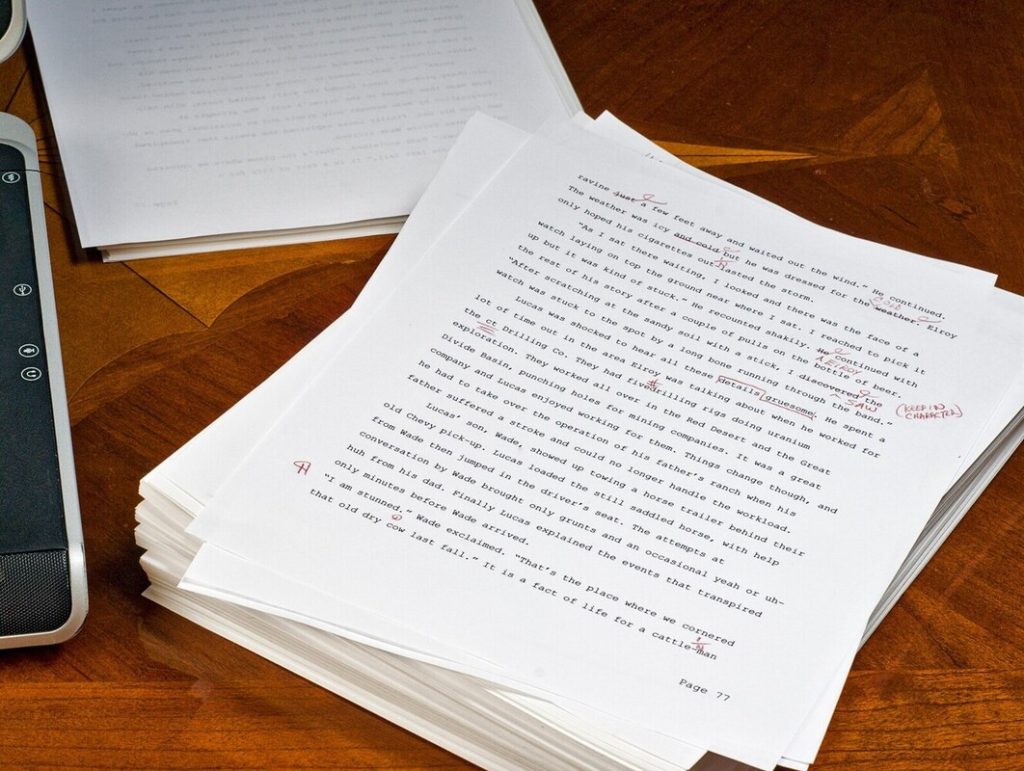
There is a difference between proofreading and line editing. Proofreading is the final step to catch typos and formatting errors, while line editing digs deeper into sentence structure, phrasing, and word choice to enhance clarity and style. Many authors are looking for help with line editing, especially in fiction and nonfiction projects.
Specializing in book proofreading means working closely with self-published authors, independent presses, or even traditional publishers. Some clients may also be looking for freelance editors to translate books or check translated manuscripts for accuracy and flow. It’s a great way to build a portfolio full of complete projects and positive testimonials.
Since manuscripts tend to be long, expect to invest several hours per project, so managing deadlines is crucial. To get started, create a website showcasing your services and share sample edits. Networking on platforms like Reedsy or LinkedIn can help you connect with authors looking for professionals who understand narrative structure as well as grammar.
Authors often appreciate a proofreader who can provide gentle suggestions to tighten prose while preserving their unique style. Are you detail-oriented and patient? Then, specializing in manuscript proofreading and line editing might just be your dream job.
5. Start a Niche Proofreading Blog or Newsletter
Starting your own blog or book blog can be a true game-changer for anyone looking to get paid to read, write, and submit reviews. It’s your personal space to write freely, explore your tastes, and build a reputation as a thoughtful, honest book reviewer.
This platform allows you to showcase your reviewing skills, pitch your expertise to publishing companies, and collect valuable professional references. Many publishing industry insiders actively scout book blogs and review sites for fresh voices, especially those who write high-quality reviews that are engaging and insightful.

As your blog grows, you might start receiving free books, ARCs (Advance Reader Copies), and requests from authors for positive reviews. Over time, your blog can help you earn money through sponsored posts, affiliate marketing, or even attract the attention of a literary agent if you also write your own short stories or novels.
But why stop there? You can also turn your expertise into a niche newsletter or blog focused on related skills, like proofreading or freelance writing in itself. Sharing posts on topics such as common grammar mistakes, how to use a proofreading checklist effectively, or reviews of popular tools like Grammarly and ProWritingAid can help build your brand as a professional proofreader or editor.
Are you wondering, “How do I get readers and monetize?” Start by offering free, valuable content that builds trust, and then introduce premium offerings such as downloadable proofreading checklists, ebooks on editing tips, or paid online courses. Affiliate marketing for proofreading software and resources is another great way to generate income, as many writers and editors seek reliable tools.
Platforms like Substack and ConvertKit are perfect for managing email newsletters where you can share regular tips, promote your freelance writing and freelance book review jobs, and engage your audience with Q&A sessions, quizzes, and live demonstrations.
6. Join an Academic or Thesis Proofreading Platform
If you enjoy digging into complex texts and want to work with students and researchers, academic proofreading is a highly rewarding and specialized niche.
Thesis proofreading involves not only correcting grammar, punctuation, and spelling but also ensuring proper formatting according to strict academic standards like American Psychological Association (APA), Modern Language Association (MLA), or The Chicago Manual of Style.
This type of work is especially in demand among English as a second language (ESL) students, who often need extra help polishing their papers before submission to avoid common pitfalls in the publishing process.
Platforms such as Scribbr, Editage, and Wordvice specialize in connecting skilled proofreaders with academic clients. Each platform focuses on a slightly different niche. Some work with undergraduate students, while others concentrate on graduate theses or peer-reviewed journal submissions.
These jobs typically come with tight deadlines and very specific formatting and style guidelines; having strong attention to detail, time management, and excellent organizational skills is essential.
The American Library Association can also help support you in your literacy and academic integrity initiatives, making it a useful resource to stay informed about best practices in scholarly editing. Public library workers also benefit from these insights, especially when assisting patrons with research support or navigating academic tools.
The pay for academic proofreading tends to be higher compared to other niches, specifically if you have an advanced degree or technical expertise. It can also be intellectually stimulating if you enjoy working with complex arguments, technical content, or specialized terminology.

7. Review Books for Pay (with an Editorial Focus)
If you love reading critically and sharing your honest opinions, becoming a paid book reviewer is a fantastic way to stay close to the literary world and earn money. However, paid book review opportunities go beyond casual reading. It requires an editorial eye to evaluate writing quality, plot structure, pacing, character development, and overall readability.
Reputable book review sites like Kirkus Reviews, Online Book Club, The US Review of Books, and Publishers Weekly pay reviewers based on the length and depth of their reviews. You might ask, “How do I get started as a paid reviewer?”
Most platforms, such as a book review site, ask for writing samples or sample reviews to see how well you can offer thoughtful, constructive feedback. Since reviewers are often paid per review, consistently delivering helpful, well-written critiques is what leads to recurring assignments and long-term opportunities with clients.
In addition to monetary benefits, paid reviewing enhances your editorial judgment and exposes you to a wide variety of genres, including young adult, adult fiction, science fiction, graphic novels, and self-published books. Writing these short reviews also supplies you with rich content for your own website, online book club and local book club, or book blog, which can help build your brand in the literary and publishing industry.
For those serious about a full-time career as a book reviewer or editor, paid reviewing serves as both a training ground and a stepping stone to larger opportunities, such as freelance editing or even literary agent referrals.

8. Narrate Audiobooks with Proofing Prep
If someone’s ever told you, “You have a great voice!”, first, say thank you, and second, consider becoming an audiobook narrator!
Voice actors and professional narrators have seen an explosion in demand thanks to audiobook creation exchange platforms like Findaway Voices, Spoken Realms, and Voice Jungle. These platforms connect narrators with self-published authors, published authors, and publishers looking to create audiobooks and other voice over work.
To succeed in audiobook narration, you’ll need basic recording equipment, a good speaking voice, and ideally, some experience with voice-over work. If you’re just starting out, sites like Mandy Voices can help you find jobs in narration and other voice-over work. Also note that having the skill to read aloud with clarity and cadence, while being able to spot errors, will help you stand out.
If you’re already doing most podcasts, voice acting, or narration, these opportunities can fit seamlessly into your freelance routine. Many jobs are paid per finished hour, giving you a predictable income stream.
While becoming a professional audiobook reader requires some initial investment in equipment and training, it offers the possibility of a rewarding full-time career or lucrative side hustle. Websites like ACX connect narrators with authors, including many self-published authors seeking narration services.

9. Specialize in Sensitivity Reading + Proofing
Sensitivity reading is an increasingly important niche in publishing, focusing on reviewing manuscripts to ensure fair, accurate, and respectful representation of diverse cultures, identities, and experiences with the use of language.
When combined with traditional proofreading, you offer authors and publishers a powerful dual service that improves both the writing’s clarity and its cultural authenticity.
Publishers and self-published authors alike seek sensitivity readers to avoid harmful stereotypes or unintended offenses, particularly in works dealing with race, gender, sexuality, disability, or other marginalized groups. Platforms like Reedsy provide opportunities to connect with authors looking for this specialized service.
You might wonder, “What qualifications do I need?” Ideally, lived experience or personal familiarity with the content is crucial, along with excellent language skills and the ability to provide helpful feedback in a respectful, constructive manner.
Sensitivity readers with strong proofreading skills often earn higher rates, typically starting around $100+ per manuscript, depending on length and the depth of feedback required.
This niche lets you offer valuable editorial insight while supporting inclusive, authentic storytelling. If you care about cultural accuracy and representation, this is a meaningful way to grow professionally and make an impact while investing in yourself.

10. Take On ESL Proofreading or English Tutoring with Reading Focus
With the global rise of English learners, there is a growing demand for native speakers to help ESL students improve their reading and writing skills. In fact, according to the British Council, an estimated 1.5 billion people worldwide are learning English – a number that continues to grow as English remains the dominant language in business, academia, and online communication.
Offering proofreading services tailored to ESL clients means not only polishing their essays, resumes, or articles but also helping them navigate language nuances and common grammar pitfalls. Platforms like Preply and Italki enable you to provide live tutoring focused on reading comprehension and writing improvement, giving immediate, personalized feedback that accelerates learning.
You may wonder, “Is tutoring hard to combine with proofreading?” In reality, these roles complement each other perfectly. Proofreading sharpens your eye for errors, while tutoring allows you to explain corrections and language rules to your student.
This niche is especially rewarding and sought-after if you are already a native English speaker with strong proofreading or editing skills and a helpful approach. You’re empowering learners to communicate more confidently and effectively in English. ESL proofreading and tutoring often command competitive rates, particularly if you hold credentials like a Teaching English as a Foreign Language (TEFL) certification.
By combining your skills in reading audiobooks, proofreading, and English tutoring, you create a versatile freelance portfolio with multiple income streams and the opportunity to make a real difference in people’s lives.

Bonus Tip—Stack Services for a Sustainable Income
One of the smartest ways to build a steady, reliable income from proofreading is to stack multiple services by combining two or three methods to diversify your revenue streams. For example, pairing freelance proofreading with beta reading and blog monetization can open new doors and reduce financial pressure if one source slows down.
By offering freelance proofreading alongside manuscript proofreading and running a proofreading blog or newsletter, you create multiple income layers. This diversity means you’re not relying solely on one platform or client type, which can be especially important when dealing with the ups and downs of freelance work.
When you sign up for a freelance site, focus on completing your first review or project quickly to build momentum. A fast turnaround and good communication can lead to that critical initial testimonial. Even one review can make a big difference early on, helping you appear more trustworthy to clients browsing for proofreaders.
To maintain your energy and avoid burnout, a common challenge when you’re reading and editing for money, consider adopting time-blocking techniques. Schedule specific hours for proofreading jobs, beta reading projects, and blog writing, and make sure to take breaks between sessions. This strategy helps you maintain sharp focus and a fresh eye, which are critical for high-quality proofreading services.
Also, don’t underestimate the power of reinvesting in your training and certifications. Completing courses in General Proofreading or Transcript Proofreading, style guides, or even niche areas like academic proofreading or sensitivity reading and proofreading can improve your credibility and justify higher proofreading rates.
Clients often pay more for proofreaders with specialized skills or recognized credentials. By stacking your services, managing your time wisely, and continually sharpening your skills, you set yourself up for a sustainable and rewarding proofreading career that adapts to market demands.

Turn Your Love of Books Into a Flexible Career
If you love reading and have a keen eye for detail, proofreading is one of the best ways to earn money while doing what you enjoy. Whether you’re interested in online proofreading jobs, academic proofreading, or book proofreading, the field is accessible to anyone with strong language skills and dedication.
Success in proofreading doesn’t happen overnight. It requires consistency, professionalism, and a commitment to ongoing learning, whether through practice, courses, or staying updated on style guides and industry trends. Building a reputation as a reliable proofreader opens doors to higher-paying projects and more fulfilling work.
Ready to take the first step as a paid book reader? Sign up for the General Proofreading Workshop or explore our Free Transcript Proofreading Workshop to get started today. Turn your passion for books and language into a flexible, fulfilling career where every day brings new learning and growth.
Love how you broke down the different ways to get paid for reading—super helpful for book lovers looking to earn from their passion.
Thanks so much! Glad it was helpful, it’s a great way for book lovers to turn their passion into income.
Thank you.
It's not easy to work as a proofreader. Reading books at that time may not be as much fun as before.
Thank you for referring to tools that lead to efficiency! I need all the technology help I can get. I am excited about the possibilities of proofreading.
Thank you for referring to tools that lead to efficiency! I need all the technology help I can get. I value this program. I haven't progress much because a family member just passed away. I am ready to dive in again.
Hard work will pay off
Turning a love of reading into a paid proofreading career sounds both flexible and rewarding.
Thank you for sharing. We agree! Proofreading can be a flexible and rewarding way to turn a love of reading into a career.
Wow, getting paid to read books sounds like a dream! This article has some interesting ideas. I'm gonna check out some of these proofreading gigs.
THANK, i like it!
thank u!
It’s not easy working as a proofreader — reading books during that time might not be as enjoyable as it used to be.
You’re right. Proofreading can be challenging, and it changes how you approach reading. Many find it rewarding, though, as it sharpens attention to detail and opens career opportunities.
Love this list! Getting paid to read always sounded too good to be true, but you explained the realistic paths really clearly.
Getting paid to read sounds like a dream! “get-paid-to-read-books/” is such a cool idea for book lovers who want to turn their passion into income.
We’re glad you think so! Turning a love of reading into a paid opportunity is definitely a dream come true for many book lovers. 🙂
This sounds like a dream job for book lovers! I love that many of these opportunities are remote and flexible. The idea of getting paid to review or narrate books is especially exciting.
Really clear, actionable breakdown—thank you! I like that you separate “reading for pleasure” from marketable services (proofreading, beta reading, sensitivity reads, audiobook QC, etc.) and stress building samples over chasing quick money. A couple things that helped me: create a short style sheet you share with clients (hyphenation, numerals, tone notes), keep two 1–2 page sample edits ready (light and heavy), and track time on early jobs so you can quote per-project confidently instead of underbidding hourly. Also, a simple intake form + boundaries (turnaround, two revision rounds, file formats) saves a lot of back-and-forth. Great resource—bookmarking for anyone who wants to turn book-love into paid work.
Thank you for sharing these thoughtful insights. Those practical tips around samples, style sheets, and clear boundaries are excellent additions and will be very helpful for others exploring this path.
Nice article
i want to read books and earn money from it
Thank you for your comment! Freelance proofreading can be a great way to combine a love of reading with earning income. 🙂
clear and transparent understanding of subject knowledge should be there.
Oh, thanks for sharing amazing knowledge!
Thanks!
WOW! I liked the topic so much.
Really enjoyed this post. It’s motivating, well written, and easy to appreciate. Wishing you continued growth and success in everything you do.
wow
I love how you broke it down to my understanding
it can help writers to earn from their passion
Amazing opportunity! Flexible online work like this is really helpful for many people.
Great info
Getting paid to read sounds like a dream thanks for breaking down how it actually works and where to find legit gigs.
I agree that proofreading can be a rewarding path for people with strong language skills. It’s great that opportunities exist in different areas like academic papers and books.
Thanks so much!
This is such a practical roundup! I especially like the idea of stacking proofreading with beta reading—turning a hobby into multiple income streams makes a lot of sense. The flexibility really appeals to me.