Proofreading often gets overlooked, but it plays a bigger role in strong communication than most people realize. When we talk about why proofreading is important, we’re really talking about accuracy, clarity, and credibility. These are the qualities that shape how writing is received.
In this article, we’ll explain what proofreading is, how it differs from editing, and the benefits of proofreading that go beyond just catching typos. We’ll also cover the importance of proofreading in today’s world, even with AI tools, and share practical tips to help you sharpen your skills and stay competitive.
What Is Proofreading?
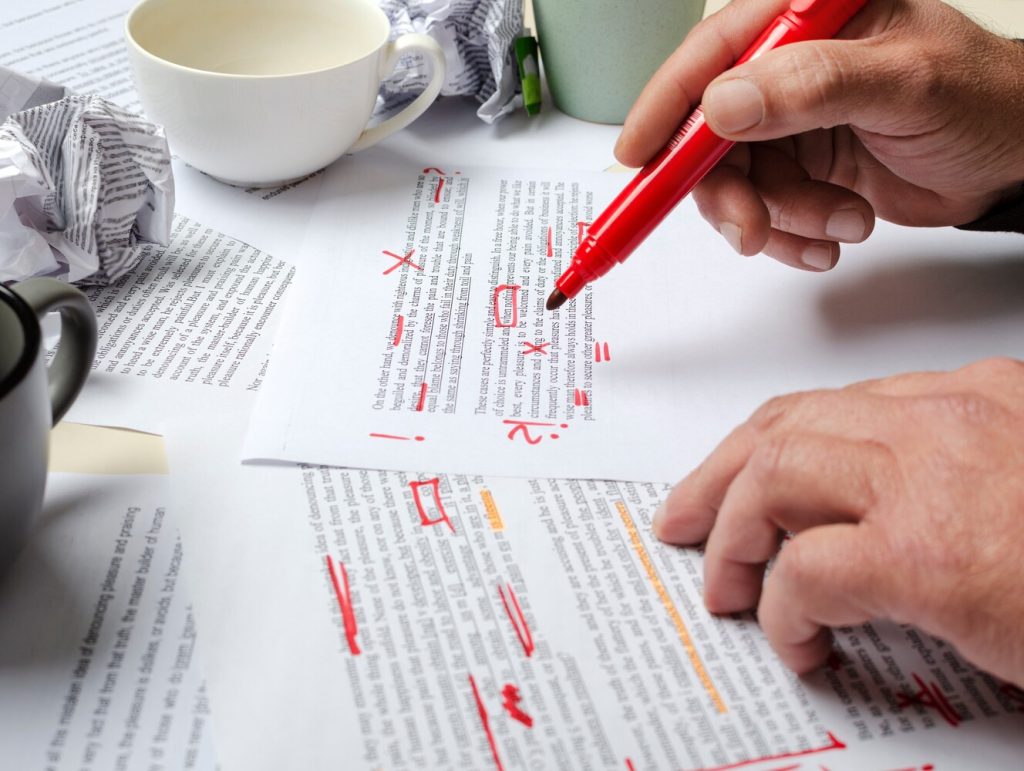
Proofreading is the final step in the writing process: a careful review aimed at catching inconsistent grammar, punctuation errors, spelling mistakes, and formatting issues. It’s the stage just before publication or submission, where you do final checks on whether the text captures its intended message, and the sentences do what they’re supposed to do.
Anyone creating written content (students, professionals, bloggers, even authors) benefits from proofreading. It ensures clarity, consistency, and that the audience receives exactly what they’re meant to.
What’s the Difference Between Editing and Proofreading?
This is one that trips people up often. While proofreading and editing might seem similar on the surface, there are some key differences.
The editing process is about big-picture fixes. This includes reorganizing content, improving tone, restructuring paragraphs, or sharpening your messaging. An editor’s job has a larger scope over the whole document or manuscript, rather than picking up errors within one sentence.
The proofreading process, on the other hand, zeroes in on surface issues. It’s meant to catch typos, grammatical errors, punctuation errors, and any formatting glitches.
Proofreading is a legitimate, sought-after job that provides polish on a piece that’s structurally sound but needs that final shine to look professional and polished.
Why Is Proofreading Important?
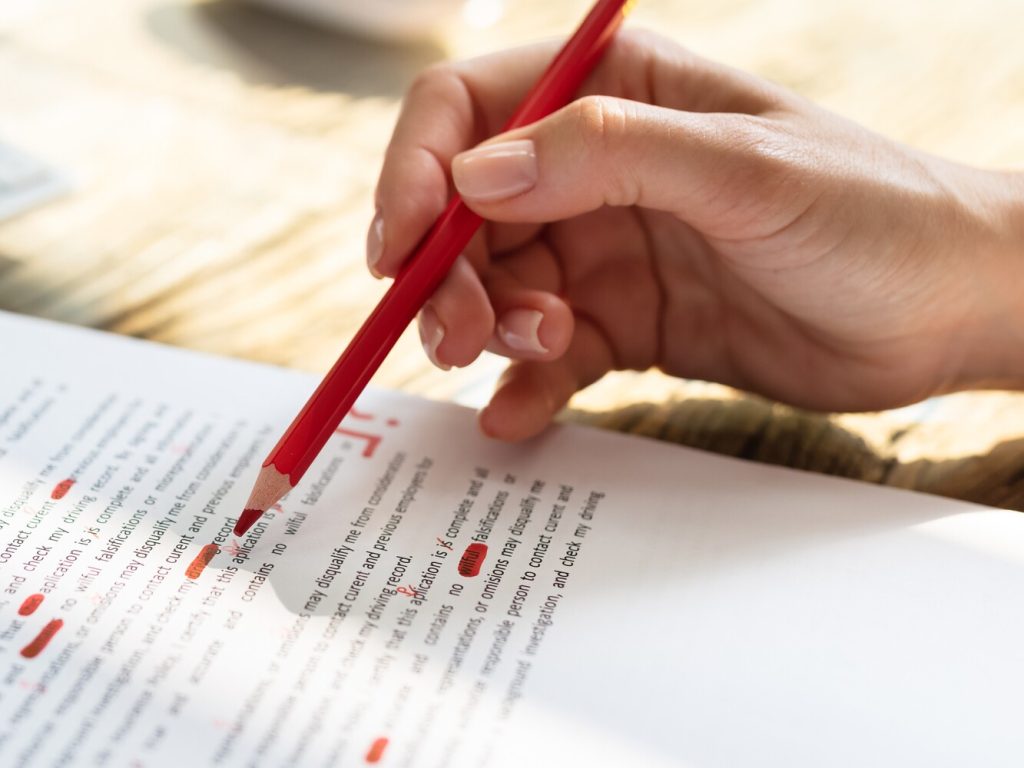
Proofreading may look like a quick final check, but it goes deeper than that. It’s the last line of defense that protects your work from spelling and grammatical errors that can damage trust, clarity, or meaning.
Let’s take a closer look at six reasons that show why proofreading is important and how it adds lasting value to any piece of writing:
1. Accuracy
One of the biggest reasons why proofreading is so important is accuracy.
Accuracy matters because even the smallest slip can create confusion or misunderstanding. A misplaced decimal in a financial report changes the story entirely. A wrong date in a contract could invalidate it.
Proofreading helps eliminate these risks by catching the details that slip past in the writing process. It ensures the correct use of facts, figures, and wording. Whether it’s catching grammar errors in academic writing or a blog post, accuracy is the foundation of trust.
Readers notice when information lines up, and they lose confidence when it doesn’t. A careful proofreading process supplements an editing process to build trust that what you’re sharing is reliable, precise, and worth taking seriously.
2. Clarity
Clear writing makes ideas easy to follow and understand. The meaning the author creates in their manuscript or document is obvious. Without proofreading, a sentence that looks fine on the surface can end up muddled or misleading.
Proofreading gives you the chance to smooth transitions, refine word choice, and eliminate unnecessary repetition.
The result is a text that communicates without forcing readers to work too hard. When writing flows naturally and has clear transitions, the audience stays focused on the message instead of careless errors distracting them from the point.
Clarity also means checking sentence structure to be sure each line says exactly what it intends to. Readers walk away with exactly the information the author wanted them to have.
3. Credibility
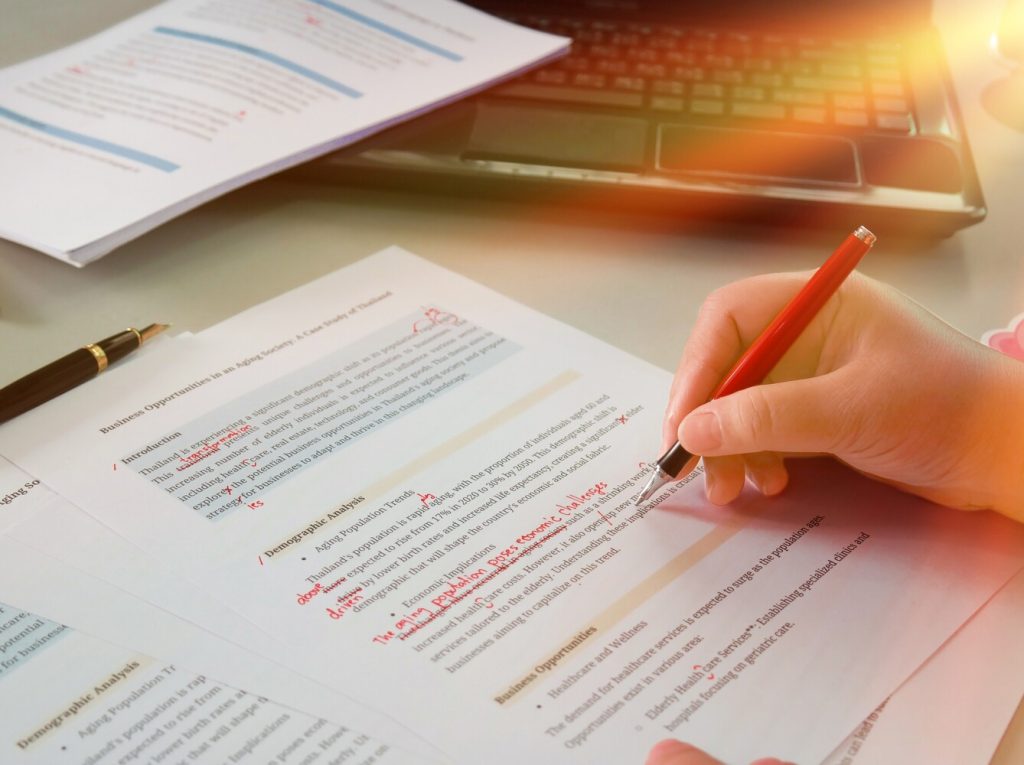
Credibility is earned through attention to detail. A few small errors can make readers question whether the content is worth trusting, no matter how solid the main idea might be.
This matters everywhere, whether it’s in a professional email, a business proposal, or a published article. Even a single spelling mistake can make someone doubt the rest of the message.
Credible writing leaves a lasting impression. Readers are far more likely to believe in the message and the person behind it when the work is carefully proofread.
4. Professionalism
Professionalism shows up in the way writing is presented. A document full of typos, inconsistent formatting, overuse of the passive voice, or awkward grammar reflects poorly on the writer.
Effective proofreading ensures that the writing meets the standard of polish expected in workplaces, schools, and publications.
It’s often the difference between being taken seriously and being overlooked. Clean, error-free writing signals that the author is prepared, organized, and attentive.
Paying attention to surface errors, such as spacing or capitalization inconsistencies, reinforces that sense of professionalism. That’s the kind of impression that helps you build relationships, gain opportunities, and stand out from the crowd.
5. Efficiency
Proofreading saves time and frustration in the long run. When errors make it from the first draft into the final draft, they often lead to questions, revisions, or even costly corrections.
Fixing grammar mistakes or spelling errors after a document has been shared or published takes much longer than catching them beforehand. Proofreading helps prevent this cycle.
It makes communication more efficient because readers don’t have to pause, reread, or ask for clarification. By ensuring the writing is accurate and clear from the start, proofreading helps projects move forward smoothly without unnecessary backtracking for the author.
6. The Human Touch in the Age of AI
Technology has given us advanced grammar checkers and AI tools, but they still miss important details. Automated systems may overlook homophones, subtle tone issues, or cultural nuances in language that have different meanings. Proofreading by a human provides the critical context machines can’t always understand.
A human proofreader can assess flow, style, and intent in ways that algorithms simply can’t replicate. This is why proofreading is still in demand, even in a digital world. The human touch ensures writing doesn’t just look correct but truly communicates with clarity and impact.
How Can You Improve Your Proofreading Process to Remain Competitive?
Proofreading is a skill that improves with consistent practice and smart strategies. To stay competitive, it’s important to develop habits that sharpen your focus and help you catch more errors. Here are some practical tips that can make a big difference in your proofreading ability:
1. Don’t Read It; Inspect It
Our brains are wired to fill in gaps, which is why we sometimes miss mistakes. The best way to fight this is to slow down and inspect each word.
Break sentences into chunks and read them aloud syllable by syllable if necessary. This forces you to see exactly what’s written instead of what you expect to see.
Even a short sentence like “Their going too the store” reveals its flaws when read word by word. With this method, you’ll catch errors others skim right past.

2. Change the Format
Looking at text with a fresh perspective makes hidden mistakes easier to spot. Change the font, increase the spacing, or print the document out.
A simple shift in presentation forces your eyes to refocus. Suddenly, an extra space, a missing letter, or a misplaced punctuation mark stands out clearly.
Reading on a different device, such as a tablet or phone, works just as well. This trick is especially helpful for longer documents where fatigue sets in. By breaking your visual habits, you uncover details you would have otherwise ignored.
3. Earn a Proofreading Certificate of Completion
One of the most effective ways to grow as a proofreader is through formal training. A proofreading training course with a certificate of completion gives you structured practice and helps you learn the practical skills needed to work with different types of content.
For general proofreading, that means mastering grammar rules, punctuation, formatting, and style guides like AP (Associated Press) Writing Style and Chicago Writing Style.
Transcript proofreading, on the other hand, requires learning how to spot errors in legal transcripts, apply court-specific rules, and work quickly under deadlines.
Proofread Anywhere’s courses cover both paths. They give students hands-on exercises, real-world examples, and the confidence to start building a career. Earning a certificate of completion demonstrates that you can manage the final stage of the writing process with professionalism and accuracy.
4. Use a Checklist or Notes
Everyone has patterns of mistakes they often make, and clients are no different. Some people mix up “affect” and “effect.” Others struggle with commas or subject-verb agreement. Creating a personal checklist for each client gives you a roadmap for what to watch out for.
Keep it simple and refer to it each time you proofread. This keeps you from overlooking issues you know you’re prone to miss.
Over time, you’ll miss fewer of those errors because you’ll become more aware of them. A checklist is a small tool that can make a big impact on your accuracy, especially when reviewing longer reports where awkward sentence structure can easily slip in!
5. Slow Down and Take Breaks
Proofreading requires mental energy, and rushing almost always leads to missed errors. Give yourself permission to slow the pace. Read carefully, pause between sections, and take breaks when your focus fades. Stepping away, even for just a few minutes, resets your brain and improves productivity and accuracy when you return.
For longer projects, try proofreading in multiple sessions instead of forcing it all at once. By pacing yourself, you catch more mistakes and avoid the fatigue that dulls concentration. Slow and steady proofreading is often the fastest way to get the best results, from spotting misplaced quotation marks to missing words.
6. Develop Objectivity
The hardest writing to proofread is your own because you already know what it’s supposed to say. To be more effective, practice reading your work as if it belonged to someone else. This means questioning choices, double-checking facts, and not giving yourself or your client the benefit of the doubt.
You’re more likely to find errors when you look at the text with a critical eye. Some proofreaders even let drafts sit for a day so they can come back and re-read with fresh eyes. Objectivity takes practice, but it’s one of the most valuable skills you can build. Developing this habit strengthens both editing and proofreading, making you more versatile and effective.
7. Read Aloud
Reading text out loud forces you to pay closer attention to rhythm and word choice. A sentence that looks fine on the page can sound awkward or confusing when spoken. This technique reveals missing words, doubled words, or clunky phrasing. It also highlights tone issues, especially in professional emails or client communication.
If it sounds natural when spoken, it will likely read smoothly on the page. Reading aloud may feel slow at first, but the extra time pays off in improved clarity and accuracy. It’s a simple practice with powerful results that always leaves a good impression on readers.
8. Build Subject Knowledge
A proofreader who understands the subject matter has a big advantage. If you’re reviewing medical writing, for example, knowing the difference between “ileum” and “ilium” prevents serious mistakes. In business documents, familiarity with financial or legal terminology helps you spot when terms are used incorrectly.
You don’t need to be an expert in every field, but focusing on areas you enjoy or work in often makes you faster and more accurate. It shows clients that you’re not only able to check grammar and catch mistakes but also ensure their message is precise.
9. Learn to Use Digital Tools Wisely
Technology can support your proofreading, but it should never replace your judgment. Tools and spell checkers like Grammarly, PerfectIt, and Microsoft Word’s Track Changes are helpful for flagging patterns and enforcing consistency. They can catch repeated words, spacing errors, and style mismatches that slip past tired eyes.
However, they also make mistakes, so the key is to use them as assistants, not decision-makers. By combining software with your own expertise, you’ll deliver cleaner work in less time. Clients value proofreaders who can balance efficiency with the human touch.
10. Practice With Real Documents
The best way to improve is by proofreading actual texts rather than relying only on worksheets or examples. Try reviewing blog posts, newsletters, or even transcripts you find online. Volunteer to proofread for a nonprofit, student newspaper, or community project.
Each document teaches you something new about formatting, tone, or common errors. Real-world practice helps you develop speed, consistency, and the ability to handle different writing styles.
With our courses, students can do exactly that. Both our general proofreading course and our transcript proofreading course offer real documents for you to gain experience with. Consistent practice keeps your skills sharp and marketable.
Conclusion
Proofreading adds value in ways that go beyond spotting typos. It improves accuracy, ensures clarity, strengthens credibility, and helps writers present their work with professionalism. With the right strategies and consistent practice, anyone can sharpen their eye and become more effective at catching errors.
Even in a world full of AI tools, human proofreaders remain essential because they bring context, nuance, and judgment that machines can’t match.
If you’re ready to build these skills and explore a career in proofreading, join us at Proofread Anywhere and take the first step with one of our courses.
This article is a good reminder that proofreading matters! Accuracy and clarity are so important, especially when you're trying to build credibility.
Great read! I’ve noticed that when I take a short break before doing a final proofread, I catch so many more mistakes. Fresh eyes really make a difference.
Absolutely! Taking a short break can make a huge difference, fresh eyes often catch errors that were missed the first time.
Great work
Thanks for this helpful post! I never realized how proofreading boosts credibility and clarity beyond just fixing typos. Your tips on using it with AI tools sound really practical for staying sharp.
We’re glad you found the tips helpful! Thank you for your thoughtful comment. 🙂
that's good
This article provides practical tips for improving proofreading skills, emphasizing subject knowledge, wise use of digital tools, and real-world practice. These insights are invaluable for anyone aiming to refine their expertise.
By balancing specialized knowledge with modern technology and practical application, this piece provides an expert framework for enhancing proofreading accuracy. It is a must-read for professionals dedicated to linguistic precision.
Thanks for this helpful post! I often skip proofreading, but your points about accuracy and credibility really hit home. The tips for sharpening skills sound practical and useful for staying competitive.
Great breakdown of why proofreading really matters! I think a lot of people underestimate how much small errors can affect credibility. This was a helpful reminder to slow down and review before publishing.
Your article masterfully highlights proofreading’s true value—accuracy, clarity, and credibility. The practical tips, especially inspecting word by word and changing format, are gold. Thank you for reinforcing why the human touch remains irreplaceable.
Great point about proofreading being more than just fixing typos. I never thought about how it affects credibility so much. The tip about using AI tools but still double-checking was really helpful!
Clear and insightful explanation of why proofreading matters. Even small errors can change meaning and reduce credibility, so having a careful review process is essential for any professional writing. Great reminder of its importance!
This was a refreshing read with plenty of valuable takeaways. The writing felt approachable and well organized making complex points easier to follow and apply in real situations later on.
Proofreading remains an underrated skill in digital communication. Careful review strengthens clarity, reduces confusion, and builds trust with readers, making every message appear more polished and professional in every context.
The importance of proofreading cannot be overstated. It not only enhances the quality of writing but also ensures that the message is conveyed accurately. While AI tools are helpful, the human touch in proofreading adds invaluable context and understanding.
Your blog posts are like a breath of fresh air, always inspiring and beautifully written!
The article effectively highlights the significance of proofreading in enhancing communication and maintaining credibility. It’s crucial to recognize that proofreading goes beyond mere typo correction; it ensures clarity and accuracy in writing. In a world increasingly reliant on AI tools, honing these skills is vital.
This was an interesting read from beginning to end, and I found several useful takeaways. Thank you for sharing your knowledge and encouraging readers to experiment with confidence themselves.
Proofreading is indeed crucial for ensuring accuracy and clarity in writing. It enhances credibility and helps convey messages effectively. In an age where AI tools are prevalent, human proofreading remains indispensable.
Poofreading is often understimated but even a small typo can completely change the meaning of a sentence and after the reader's trust.
This was a helpful read. The way you explained "The Hidden Value of Proofreading: Accuracy, Clarity, and Credibility | Proofread Anywhere" made the main point much clearer.